
Hair loss affects both men and women, though the causes, patterns, and approaches to treatment often differ. In Dammam, hair transplantation has become a popular solution for both genders, thanks to skilled surgeons, advanced technology, and modern clinics offering customized treatment plans. Understanding the differences between male and female hair loss, as well as how hair transplant procedures are tailored for each, is essential for achieving natural-looking and long-lasting results. Hair transplant in Dammam has become a popular solution for those seeking effective and long-lasting hair restoration.
Patterns and Causes of Hair Loss
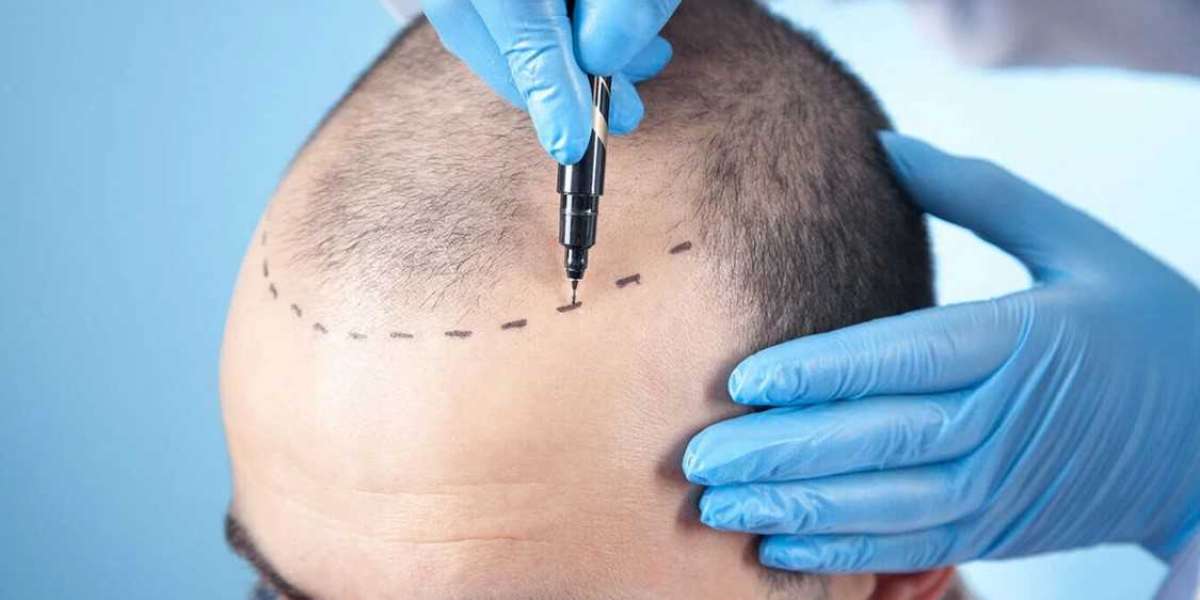
For men, hair loss is most commonly associated with androgenetic alopecia, often referred to as male pattern baldness. This type of hair loss typically begins with a receding hairline and thinning at the crown, gradually progressing to partial or complete baldness. Genetics, hormonal imbalances, and aging are major contributing factors. Men are more likely to experience concentrated bald patches, which makes planning a hair transplant relatively straightforward. Clinics in Dammam often assess the donor area at the back and sides of the scalp to ensure sufficient hair follicles are available for transplantation to thinning or bald regions.
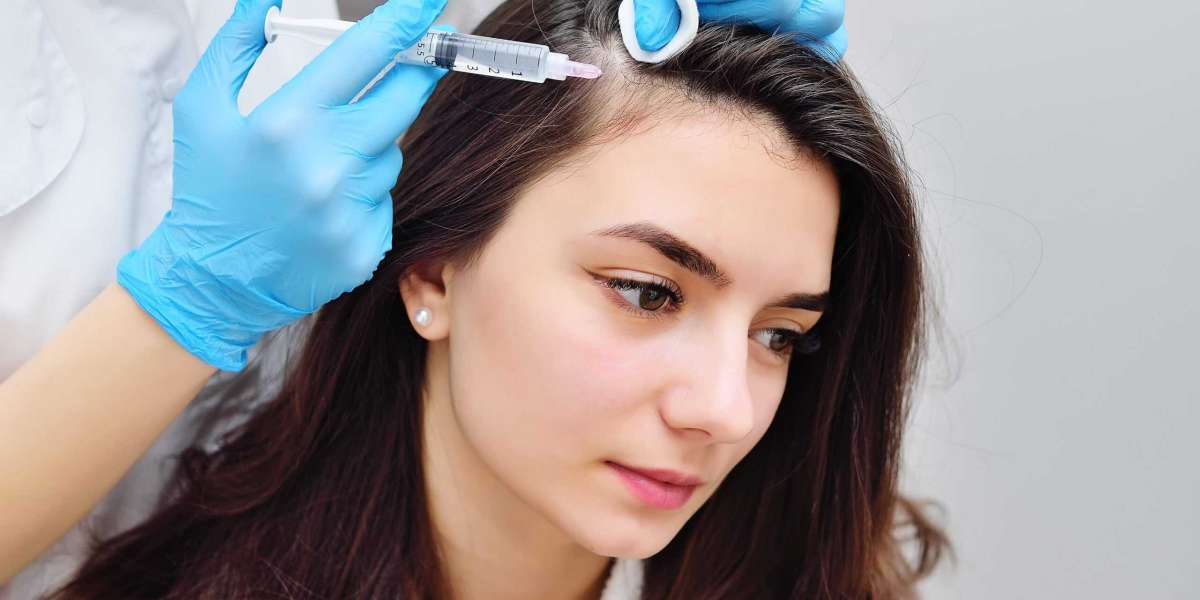
In women, hair loss presents differently. Female pattern hair loss is usually diffuse, meaning thinning occurs over a larger area of the scalp rather than forming distinct bald spots. Hormonal changes, stress, nutritional deficiencies, and medical conditions such as thyroid disorders can contribute to hair thinning in women. Because the hair loss pattern is spread out, achieving noticeable density through transplantation can be more challenging. Surgeons in Dammam often conduct detailed scalp assessments and may combine hair transplantation with supportive treatments like platelet-rich plasma (PRP) therapy or medical management to improve outcomes for female patients.
Hair Transplant Techniques for Men and Women
The choice of hair transplant technique may vary depending on gender. For men, Follicular Unit Extraction (FUE) and Follicular Unit Transplantation (FUT) are widely used. FUE is preferred for its minimally invasive nature, reduced scarring, and faster recovery, especially for men who want to maintain short hairstyles. FUT may be recommended in cases of extensive baldness where a higher number of grafts are required to restore density. Advanced techniques such as robotic-assisted hair transplantation are also available in Dammam for male patients seeking precise follicle placement and natural-looking hairlines.
For women, FUE is typically the preferred method due to its ability to target individual follicles and create a more natural appearance across diffuse thinning areas. FUT may be less commonly used in women because the linear scar may be more noticeable when hair is worn shorter. Surgeons may also employ Direct Hair Implantation (DHI), which allows precise control over the direction and angle of hair placement, creating a fuller and more uniform appearance. Female patients often benefit from a combination of hair transplantation and adjunctive treatments to optimize density and overall scalp coverage.
Considerations in Donor Hair and Density
Men generally have more robust donor areas at the back and sides of the scalp, which makes it easier to extract sufficient follicles for transplantation. This allows for higher-density graft placement and the ability to restore both the hairline and crown areas effectively. In contrast, women may have less dense donor regions due to diffuse thinning or overall hair loss, which can limit the number of grafts available for transplantation. Surgeons in Dammam often carefully plan graft placement for female patients, focusing on areas that create the most visible improvement while maintaining natural distribution and avoiding over-harvesting.
Recovery and Post-Operative Care
Recovery timelines for men and women are generally similar, but the approach to post-operative care may differ slightly based on hair density, scalp sensitivity, and lifestyle factors. Both men and women typically experience mild redness, swelling, and scabbing in the first week, with full recovery and natural hair growth occurring over 12 to 18 months. Women may be advised to take extra precautions to avoid tension on transplanted hair during styling or tying hair back, as this can affect follicle survival. Clinics in Dammam often provide detailed post-operative instructions tailored to each patient’s gender, hair type, and lifestyle.
Psychological Impact
Hair loss can significantly impact confidence and self-esteem for both men and women. For men, restoring a receding hairline or bald crown can improve self-image and social confidence. For women, regaining hair density can address emotional stress and the psychological burden of diffuse thinning. Hair transplantation in Dammam focuses not only on technical outcomes but also on the holistic well-being of patients, providing personalized care that boosts both appearance and confidence.
Conclusion
Hair transplantation in Dammam is a viable solution for both men and women experiencing hair loss, though the approach is tailored to the unique patterns and causes of hair loss for each gender. Men often require procedures that address defined bald areas, while women benefit from techniques targeting diffuse thinning with precision and care. Advanced methods such as FUE, FUT, DHI, and robotic-assisted procedures ensure that patients achieve natural-looking, long-lasting results. By considering factors such as donor hair quality, hair loss pattern, aesthetic goals, and lifestyle, clinics in Dammam provide customized hair restoration solutions that restore both hair and confidence for men and women alike.