
A dermal filler appointment can be an exciting first step toward achieving a more youthful, refreshed, or balanced appearance. For many people, the idea of injectable treatments can feel intimidating, especially if it is their first time. Understanding what to expect during a filler appointment can help reduce anxiety, ensure a smooth experience, and allow for optimal results. While individual experiences may vary depending on the practitioner, treatment area, and type of filler used, there are several common steps and considerations that patients typically encounter. Dermal fillers in Riyadh are becoming a popular choice for individuals seeking non-surgical facial enhancement and rejuvenation.
The process usually begins with a consultation. Even if the appointment is primarily for treatment, most reputable practitioners will take time to discuss the patient’s goals, medical history, and any concerns. This consultation allows the practitioner to assess the face or area to be treated and determine which type of filler is most appropriate. For instance, some fillers are better suited for adding volume to cheeks, while others work best for fine lines around the mouth or under-eye hollows. During this stage, the practitioner will also discuss realistic expectations, potential side effects, and the longevity of the chosen filler. This conversation is an important step in creating a treatment plan that aligns with the patient’s goals and facial anatomy.
After the consultation, preparation for the injections begins. Most practitioners will cleanse the area thoroughly to remove makeup, oils, and impurities. A topical numbing cream may be applied to minimize discomfort, particularly for sensitive areas such as the lips or under the eyes. Some fillers also contain lidocaine, a local anesthetic, which further helps to reduce pain during the injection process. While the idea of needles can be intimidating, most patients report only mild pressure or brief pinching sensations.
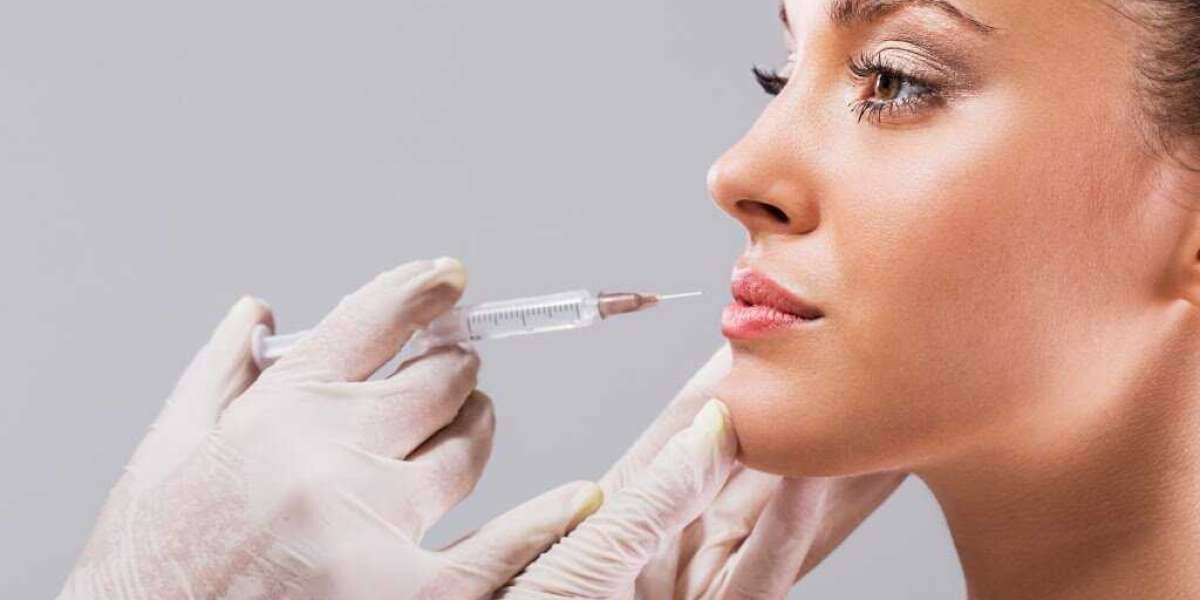
Once the area is numb, the practitioner begins the injection process. This typically involves carefully placing small amounts of filler in specific locations to achieve the desired results. The technique and placement vary depending on the area being treated and the patient’s facial structure. For example, cheek enhancement may involve deeper injections to restore volume, while fine lines around the mouth require more superficial placement. Skilled practitioners often massage or mold the filler after injection to ensure it integrates smoothly with the surrounding tissue, creating a natural and harmonious appearance.
During the procedure, patients may notice immediate changes in the treated areas. Some areas, like the cheeks or jawline, may appear more contoured right away, while swelling and slight redness are common in other areas such as the lips. These effects are typically mild and temporary, usually subsiding within a few days. In some cases, practitioners may recommend applying a cold compress to reduce swelling and enhance comfort after the appointment.
After the injections, the practitioner will review post-treatment care instructions. This guidance is essential to ensure the best possible results and to minimize any complications. Patients are usually advised to avoid strenuous exercise, excessive heat, or massaging the treated area for at least 24 to 48 hours. Alcohol and blood-thinning medications may also be temporarily restricted, as they can increase the likelihood of bruising. Additionally, patients may be encouraged to maintain a healthy skincare routine and schedule follow-up appointments to assess results and determine whether touch-ups are needed.
One of the advantages of dermal fillers is that results are visible almost immediately. While some areas may experience minor swelling or redness, the final outcome usually becomes apparent within a few days to a week. The effects of filler treatments vary depending on the type used and the area treated, but they typically last anywhere from six months to two years. Temporary fillers allow patients to experiment with their appearance and adjust treatments over time, offering flexibility and control over the results.
Throughout the appointment, communication between the patient and practitioner is crucial. Patients should feel comfortable expressing concerns, asking questions, or requesting adjustments to achieve a look that aligns with their vision. Skilled practitioners prioritize natural-looking results, ensuring enhancements complement the patient’s existing features rather than creating an artificial appearance.
Overall, a filler appointment is designed to be safe, effective, and minimally invasive. From the initial consultation to the final results, the process emphasizes careful planning, precise technique, and patient comfort. Understanding each step—from preparation, injection, and immediate post-care to follow-up—helps individuals feel confident and informed. By knowing what to expect, patients can approach their filler appointment with clarity and ease, ensuring a positive experience and outcomes that enhance their natural beauty.