
Beard restoration, commonly referred to as a beard transplant, has become an increasingly popular procedure for men seeking fuller facial hair, repairing patchy growth, or reconstructing hair over scars. Modern techniques have advanced significantly, allowing surgeons to deliver natural-looking, permanent results. Understanding the various methods used in beard restoration is important for anyone considering the procedure, as it helps patients make informed decisions based on desired outcomes, recovery times, and individual hair characteristics. If you’re looking to achieve a fuller, well-defined look, a beard transplant in Riyadh can help restore natural hair growth and boost confidence.
Follicular Unit Extraction (FUE)
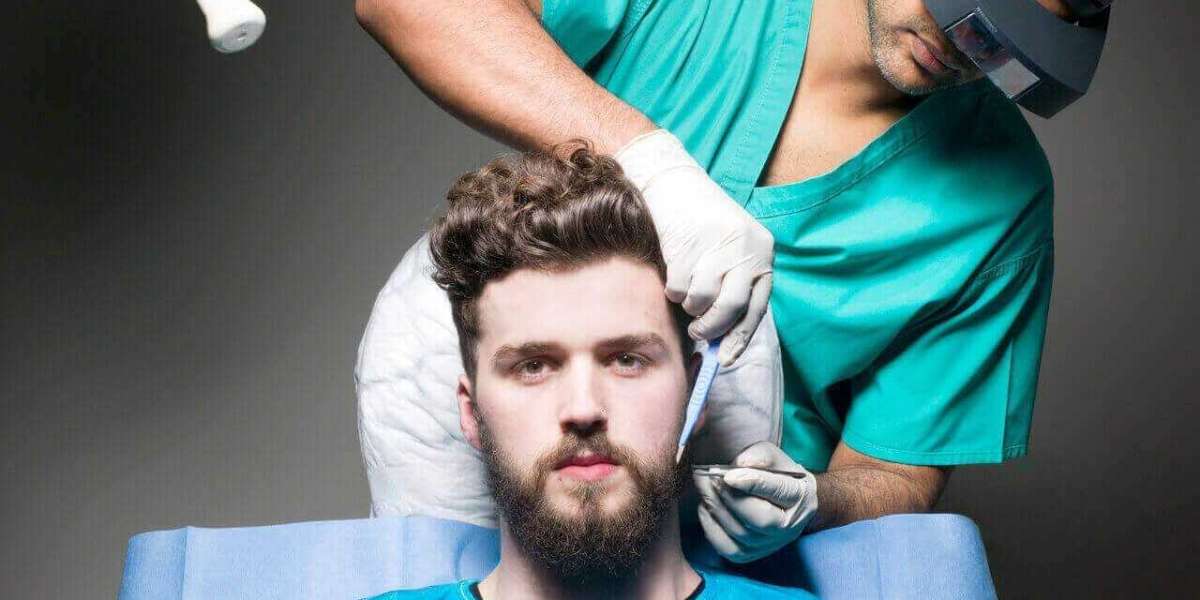
Follicular Unit Extraction, or FUE, is currently the most widely used technique in beard restoration due to its precision, minimal invasiveness, and ability to deliver natural results. In FUE, individual hair follicles are harvested from a donor area, typically the scalp, although in some cases, body hair may be used if scalp hair is insufficient.
The process begins with the surgeon using a micro-punch tool to extract single follicular units. These units are then carefully prepared and implanted into the designated facial areas, such as the cheeks, chin, jawline, or mustache region. The angle, direction, and depth of each follicle are meticulously considered to replicate natural beard growth patterns.
Advantages of FUE include:
Minimal scarring at the donor site, often virtually invisible.
Faster recovery times compared to older methods.
Ability to target specific areas with precision, making it ideal for patchy growth or scar coverage.
However, FUE can be time-consuming, especially for larger areas requiring hundreds or thousands of grafts. It also requires highly skilled surgeons to achieve consistent, natural-looking results.
Follicular Unit Transplantation (FUT)
Follicular Unit Transplantation, also known as the strip method, is another technique used in beard restoration, although it is less common for facial hair compared to scalp restoration. In FUT, a thin strip of scalp tissue is surgically removed from the donor area. The individual hair follicles are then dissected from this strip under a microscope and implanted into the beard region.
FUT can provide a larger number of grafts in a single session, which may be beneficial for patients seeking extensive beard coverage. However, it does leave a linear scar in the donor area, which may be visible if the scalp hair is kept very short. This technique also involves a slightly longer recovery period compared to FUE and may be associated with more post-operative discomfort.
Despite these considerations, FUT remains a viable option for patients with sufficient donor hair and those requiring high-density grafting in specific facial regions.
Direct Hair Implantation (DHI)
Direct Hair Implantation (DHI) is a refinement of the FUE technique that has gained popularity in beard restoration. The key difference is that in DHI, the extracted hair follicles are implanted immediately using a specialized tool, often referred to as a Choi pen, without the need for pre-made incisions.
This method allows for greater control over the angle, depth, and direction of each follicle, resulting in highly natural beard patterns. DHI can also reduce the handling time of grafts outside the body, potentially increasing follicle survival rates.
DHI is particularly useful for patients who desire detailed shaping of their beard, such as designing sharp jawlines or precise goatees, as it allows the surgeon to place each hair exactly where it is needed.
Robotic-Assisted Hair Transplantation
Emerging technology has introduced robotic-assisted hair transplantation as an option for beard restoration. Robotic systems, often guided by advanced imaging and AI algorithms, assist in the extraction of hair follicles with high precision. The robotic arm can identify and select the healthiest follicles, reducing the risk of damage and improving graft survival.
While still relatively new and less widespread, robotic-assisted techniques can enhance efficiency and accuracy, particularly for patients with larger restoration needs. This approach also reduces surgeon fatigue during long procedures, which can contribute to more consistent results.
Platelet-Rich Plasma (PRP) Therapy as a Complement
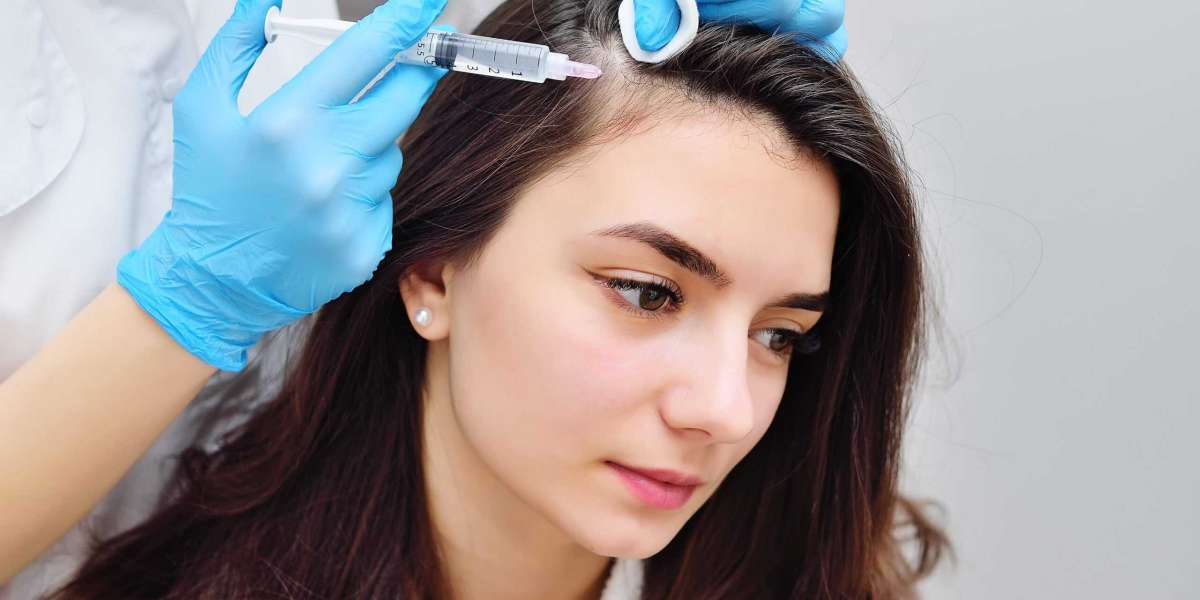
Although not a transplant technique in itself, Platelet-Rich Plasma (PRP) therapy is often used alongside beard restoration procedures. PRP involves drawing a small amount of the patient’s blood, concentrating the platelets, and injecting the plasma into the facial hair areas.
PRP is believed to stimulate hair follicles, improve healing, and enhance the growth and thickness of transplanted follicles. Many surgeons recommend PRP before and after the transplant to maximize outcomes and support long-term beard density.
Choosing the Right Technique
The choice of technique depends on several factors, including the patient’s donor hair availability, desired beard style, area of coverage, and budget. FUE is generally preferred for its minimal scarring and precision, while FUT may be selected for patients needing a high density of grafts. DHI offers a modern alternative for those seeking exact placement and natural growth patterns, and robotic-assisted methods may appeal to patients looking for high-tech precision.
Consulting with a skilled hair restoration specialist is essential, as they can evaluate individual hair characteristics, facial structure, and growth patterns to recommend the most appropriate technique.
Conclusion
Beard restoration has evolved significantly, offering multiple techniques tailored to individual needs. FUE, FUT, DHI, and robotic-assisted transplantation each provide unique advantages, while adjunct therapies like PRP can enhance outcomes. Selecting the right method requires careful assessment of the patient’s facial hair goals, donor hair quality, and desired results. With advances in technology and surgical expertise, beard restoration today can deliver natural, permanent results, giving men greater confidence and satisfaction in their appearance.