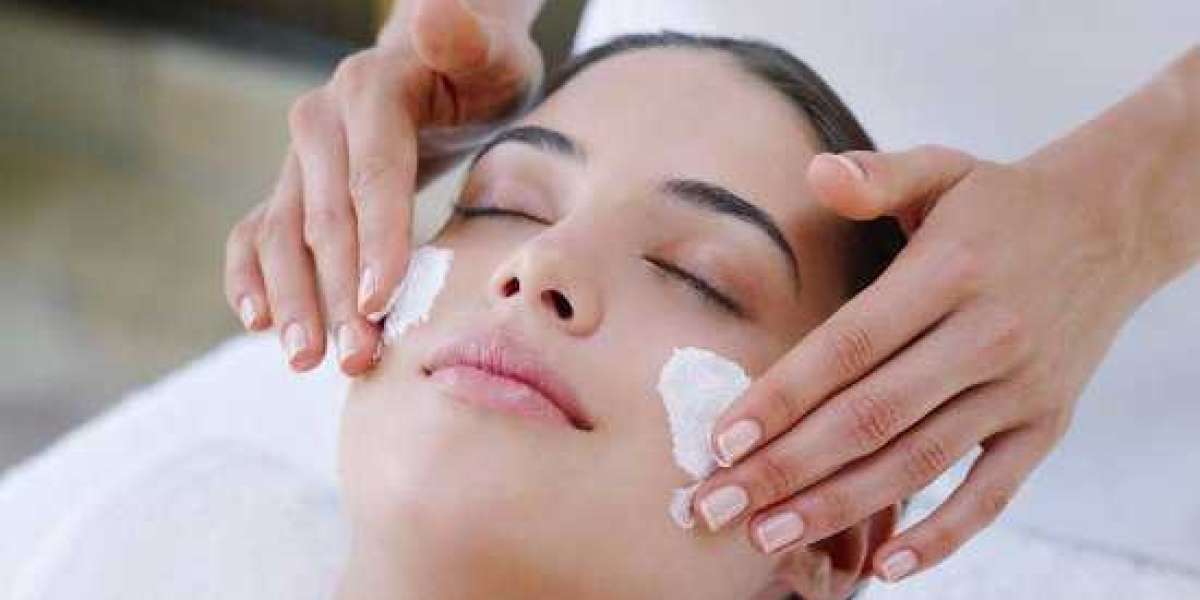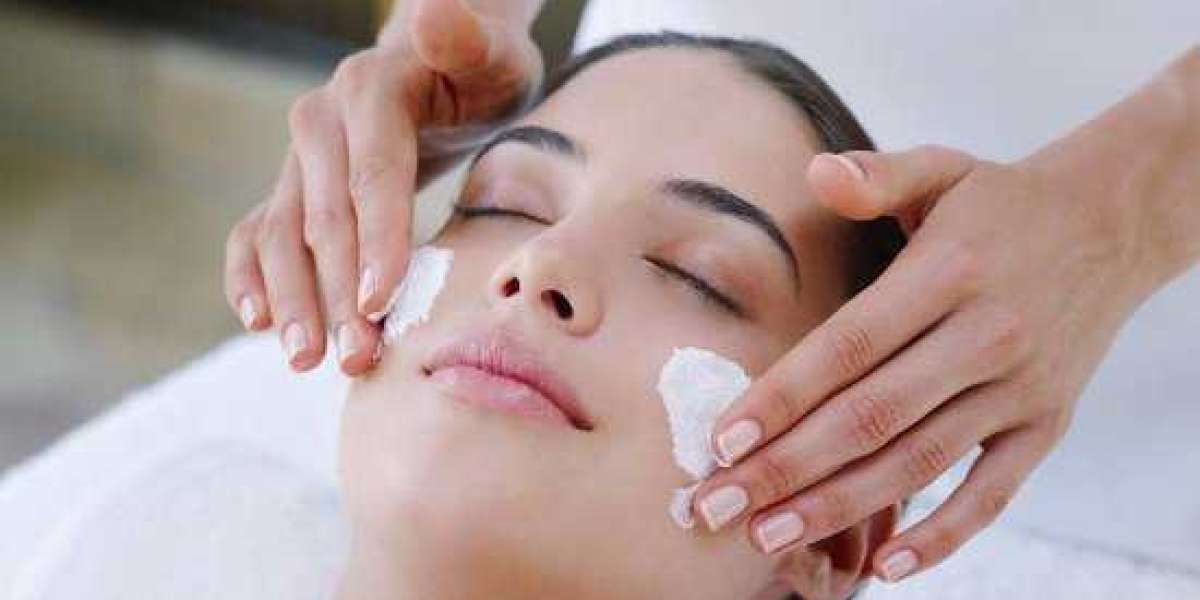

Riyadh’s intense desert climate, characterized by high temperatures, dry air, and frequent dust storms, presents unique challenges when it comes to skincare. After undergoing a Hydrafacial, the skin is left feeling rejuvenated, hydrated, and smooth. However, because the skin’s barrier may be temporarily more sensitive and vulnerable following this non-invasive treatment, proper aftercare is crucial—especially in a harsh environment like Riyadh. By following a few essential aftercare steps, you can maximize the benefits of your Hydrafacial while keeping your skin safe, calm, and protected. Hydrafacial in Riyadh is a popular skincare treatment known for delivering deep cleansing, hydration, and a radiant glow tailored to the region’s climate.
1. Hydration is Key
In Riyadh, the dry desert air can quickly dehydrate your skin, and since Hydrafacial treatment deeply hydrates the skin, it’s essential to maintain that hydration post-treatment. Hydration helps the skin recover and repair itself more effectively.
After a Hydrafacial, your skin is primed to absorb moisture. Use a gentle, hydrating moisturizer that’s designed for your skin type. Look for products that contain hyaluronic acid, glycerin, or ceramides—these ingredients help lock moisture into the skin and support the skin barrier. In a dry environment like Riyadh, moisturizing regularly, especially twice a day, will help maintain the glow and keep your skin plump and smooth.
Consider using a hydrating facial mist throughout the day to maintain moisture levels, especially if you’re exposed to dry air or air conditioning. These mists can provide a quick burst of hydration and refresh your skin, keeping it from feeling tight or uncomfortable.
2. Sun Protection is a Must
After a Hydrafacial, your skin may be more sensitive than usual, and because Riyadh experiences abundant sun exposure throughout the year, it's vital to protect your skin from UV rays. Direct sun exposure can cause irritation, pigmentation, and even sunburn on freshly treated skin.
Apply a broad-spectrum sunscreen with at least SPF 30 or higher immediately after your Hydrafacial, even if you're only going outdoors for a short time. Reapply every two hours when you are outside, especially in peak sun hours. Look for a sunscreen that is non-comedogenic (won't clog pores) and suitable for your skin type, whether oily, dry, or sensitive. Consider using a physical sunscreen that contains zinc oxide or titanium dioxide, as these ingredients are gentler on sensitive skin.
Try to avoid direct sun exposure for at least 24 to 48 hours after the treatment to give your skin ample time to recover. If you must be outside, seek shade or wear a wide-brimmed hat to protect your face from the sun.
3. Avoid Harsh Skin Products
Post-Hydrafacial, your skin is at its most vulnerable. It’s essential to refrain from using harsh exfoliants or products that could irritate your skin for 3 to 5 days following the treatment. Avoid products with retinoids, glycolic acid, salicylic acid, or benzoyl peroxide, as these can be too aggressive for the skin while it’s in its recovery phase.
If you usually use these types of products, wait until your skin has fully settled and adjusted from the Hydrafacial before reintroducing them into your skincare routine. Stick to gentle cleansers and soothing moisturizers during this time to prevent any adverse reactions or irritation.
4. Avoid Touching Your Face
After the treatment, it’s vital to avoid touching your face too frequently. The skin has just undergone a deep cleansing and extraction process, which can leave it more vulnerable to bacteria. Touching your face, especially with unwashed hands, can transfer oils and bacteria to your skin, potentially causing breakouts or irritation.
Also, avoid rubbing or scrubbing your skin. Although your face may feel smoother after the Hydrafacial, it’s still important to be gentle with it. Refrain from picking at your skin, as this can introduce bacteria into your pores and may disrupt the healing process.
5. Limit Sweat-Inducing Activities
In Riyadh, where the temperatures can soar, sweating is inevitable—especially in the summer months. However, post-Hydrafacial, it's best to avoid activities that induce excessive sweating, such as vigorous exercise, saunas, or hot showers, for at least 24 hours. Sweat can irritate the skin, leading to clogged pores or potential breakouts, and your skin will be more susceptible to irritation during the first few days after treatment.
If you must exercise, try to keep the activity light and avoid outdoor workouts during the hottest parts of the day. Afterward, gently cleanse your skin with lukewarm water and pat it dry with a clean towel.
6. Protect Your Skin from Dust and Pollution
Riyadh's air quality can be challenging due to dust storms and pollution, which may exacerbate skin irritation or cause new breakouts, particularly on freshly treated skin. After a Hydrafacial, your skin will be more vulnerable to these external aggressors.
Make sure to cleanse your skin gently after being outside, especially if you’ve been exposed to dust or pollution. Opt for a mild, non-stripping cleanser to remove impurities without irritating your skin. Additionally, you may want to incorporate antioxidant-rich serums into your routine, as these help protect the skin from environmental stressors and reduce inflammation.
If possible, avoid going outdoors during peak dust storm periods and try to limit the time spent in environments with poor air quality.
7. Maintain a Healthy Skincare Routine
A good skincare routine is essential in maintaining the results of your Hydrafacial. In addition to hydration and sun protection, gentle cleansing is critical. Avoid products with harsh fragrances or alcohol that can dry out your skin. Stick to gentle, soothing ingredients like aloe vera, chamomile, and calendula to calm any potential irritation.
Make sure to get adequate rest and maintain a healthy diet rich in antioxidants, which will support your skin’s overall health and resilience.
8. Be Patient with Your Skin’s Recovery
Finally, patience is key after a Hydrafacial. While the treatment offers immediate results, your skin continues to benefit from the deep hydration and stimulation of collagen production that occurs after the treatment. Over the next few days, your skin will look even more radiant, smooth, and clear as it heals and adjusts.
If you experience any unusual irritation, redness, or discomfort that lasts more than a few days, don’t hesitate to consult your skincare professional or dermatologist to ensure proper healing.
Conclusion
Hydrafacial is a fantastic treatment for revitalizing and nourishing your skin, especially in challenging climates like Riyadh’s. By following the right aftercare tips—staying hydrated, protecting your skin from the sun, avoiding harsh products, and being mindful of environmental factors like dust and pollution—you can enhance the results of your Hydrafacial and keep your skin looking fresh and glowing. With the proper care, your skin will continue to benefit from the treatment, helping it stay healthy and radiant even in Riyadh’s demanding conditions.