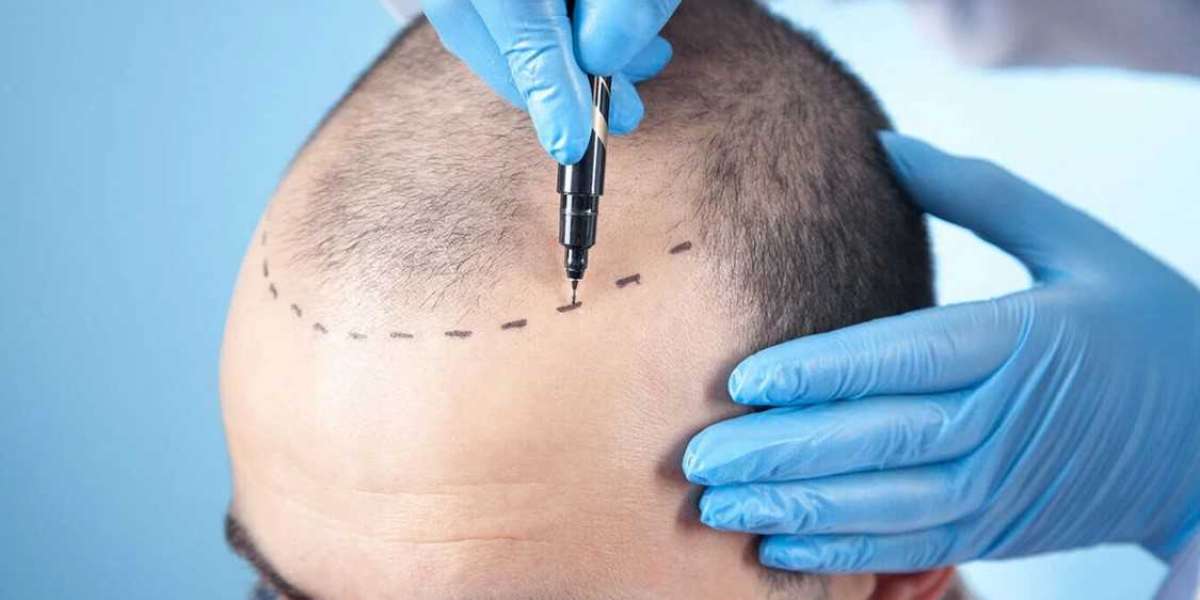

Hair transplants are considered elective cosmetic procedures, and while advertised prices often appear straightforward, there are numerous hidden costs that can significantly increase the overall expense. These costs may not be included in the initial quote, yet they are real expenses that patients encounter before, during, or after the procedure. Being aware of them can help you budget more accurately and avoid unpleasant surprises. Hair transplant cost in Riyadh can vary widely depending on the number of grafts, technique used, and individual hair characteristics.
1. Consultation and Preoperative Assessments
Many clinics offer free initial consultations, but some charge a consultation fee, especially if the session includes a detailed scalp analysis, blood tests, or imaging. Even when consultations are “free,” some clinics may bundle preliminary services like:
Blood tests to check for clotting or other medical conditions
Scalp analysis to determine hair density and graft requirements
Digital imaging or 3D simulations to visualize results
These assessments are essential for planning the procedure, but they can represent an additional cost not reflected in the basic graft pricing. Patients should clarify whether these assessments are included or billed separately.
2. Medications and Post-Operative Care
After a hair transplant, patients typically require medications to prevent infection, manage pain, and support healing. These may include:
Antibiotics
Pain relievers or anti-inflammatory drugs
Topical solutions or shampoos for post-surgical scalp care
Hair growth stimulants such as minoxidil
Some clinics include these medications in the initial quote, but others charge them separately. Since post-operative care is crucial for the success of the transplant, failing to account for these costs can lead to unexpected out-of-pocket expenses.
3. Follow-Up Visits
Hair transplant surgery is not a single-step procedure; proper follow-up is essential to monitor healing, assess graft survival, and address any complications. Some clinics include a set number of follow-up visits in the package, but additional visits — especially for large sessions or complex cases — can be charged separately.
These visits may involve:
Scalp evaluations
Graft monitoring and adjustments
PRP or other regenerative therapies for enhanced healing
Patients should confirm the number of follow-up visits included and whether additional consultations incur extra fees.
4. Anesthesia Fees
Hair transplants require local anesthesia, and sometimes sedation for patient comfort. Some clinics include anesthesia in the base price, but others may bill it separately, particularly if the procedure is long or requires additional anesthetic doses. Since anesthesia is a medical necessity rather than a luxury, overlooking this cost can make a significant difference in the total price.
5. Hair Graft Count and Pricing Tiers
The advertised price of a hair transplant is often based on a certain number of grafts. If your procedure requires more grafts than the package allows, you may incur additional charges. For example:
A small package may cover up to 1,500 grafts
If you need 2,000 grafts, you might pay an extra per-graft fee
These incremental costs are sometimes called “graft overage fees” and can substantially increase your bill if your hair loss is more extensive than initially assessed.
6. Travel and Accommodation Expenses
Many patients travel to major urban centers for hair transplants, particularly if they are seeking highly experienced surgeons. These travel-related costs include:
Airfare or fuel for long-distance travel
Hotel stays or temporary accommodations
Meals and local transportation
Even if the surgery itself is competitively priced, these additional logistical costs can make a hair transplant considerably more expensive. Patients should factor travel and lodging into their overall budget.
7. Special Equipment or Technology Fees
Some clinics use advanced technology like robotic-assisted FUE, sapphire blades, or DHI pens. While these tools can improve precision and outcomes, they sometimes come with technology surcharges. If the clinic’s marketing emphasizes high-tech equipment, patients should confirm whether the use of these devices is included in the base price or billed separately.
8. Revision Procedures
Hair transplants are permanent procedures, but sometimes additional work is needed:
Touch-ups for density enhancement
Corrections for uneven graft placement
Filling in areas where graft survival was lower than expected
Revision procedures are usually not included in the initial price, and depending on the clinic, can cost nearly as much as the original surgery. Being aware of the potential need for revisions helps in financial planning.
9. Recovery and Lifestyle Considerations
Though not billed by the clinic, hair transplant recovery can involve indirect costs:
Time off work
Special hair care products
Protective clothing or hats to shield the scalp from sunlight
These expenses, while sometimes overlooked, contribute to the total cost of the procedure and should be anticipated.
10. Financing and Payment Fees
Some clinics offer financing options or installment plans. While these make the procedure more accessible, they may include:
Interest or administrative fees
Processing charges
Patients should read the terms carefully to understand how financing impacts the total cost over time.
Conclusion
While the advertised price of a hair transplant may seem straightforward, hidden costs — including consultation fees, medications, follow-ups, anesthesia, extra grafts, travel, technology fees, potential revisions, and indirect recovery costs — can significantly increase the overall expense. Awareness of these hidden costs allows patients to plan more accurately, avoid financial surprises, and choose the clinic and package that provide the best value.