
An ideal candidate for a hair transplant is someone who not only experiences hair loss but also has realistic expectations, good overall health, and sufficient donor hair for the procedure. Hair transplant surgery is a carefully planned process, and its success largely depends on the patient’s suitability. Understanding who is most likely to benefit from a hair transplant helps ensure natural-looking, long-lasting results. If you are considering restoring your hair, choosing a professional clinic for hairtransplant in Riyadh can help you achieve natural and long-lasting results.
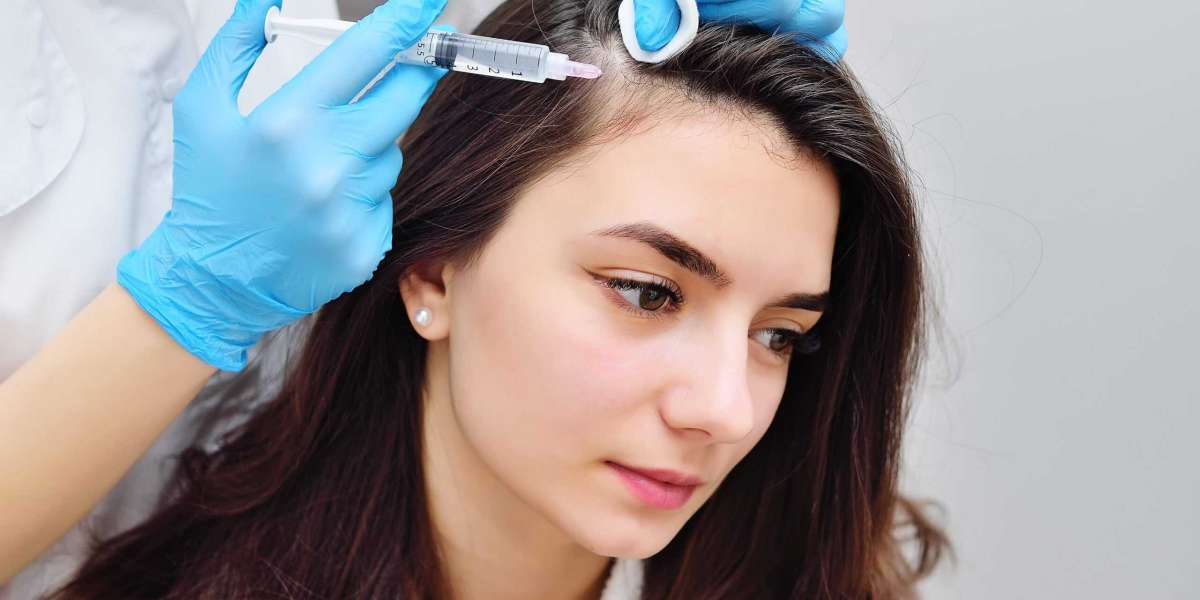
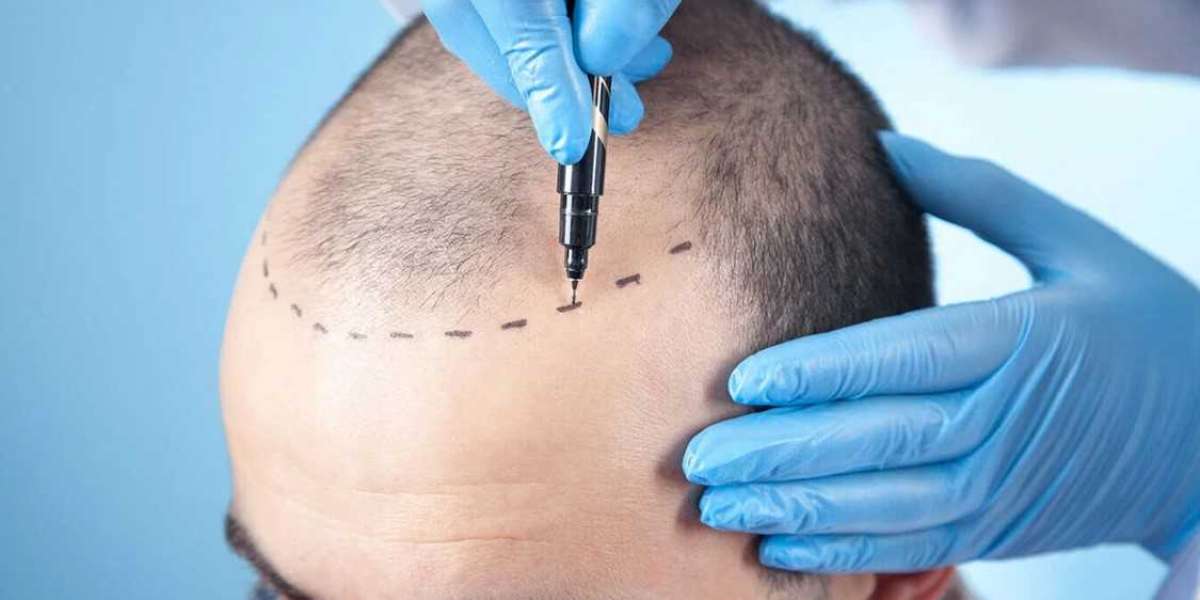
The most common candidates are individuals experiencing androgenetic alopecia, commonly known as male or female pattern baldness. This type of hair loss is typically genetic and progresses gradually over time. Men often develop receding hairlines or thinning at the crown, while women usually experience diffuse thinning across the scalp. Hair transplant procedures, such as Follicular Unit Extraction (FUE) or Follicular Unit Transplantation (FUT), are designed to redistribute healthy hair follicles from the donor area to the thinning or bald areas. Individuals with stable hair loss are generally better candidates because ongoing hair loss after transplantation can affect the long-term appearance of results.
Age is another important consideration. While there is no strict minimum age, candidates are usually adults whose hair loss pattern is well established. In younger patients, hair loss can be unpredictable, and performing a transplant too early may lead to unnatural results as hair continues to thin. Surgeons typically recommend waiting until the late 20s or 30s to ensure that the hairline and density can be properly planned. Older patients can also benefit, provided they have sufficient donor hair and good scalp health.
Donor hair quality and density play a critical role in determining eligibility. The donor area, usually located at the back and sides of the scalp, should have healthy, thick hair that can be transplanted without visible thinning in that area. Individuals with insufficient donor hair or poor hair quality may not achieve the desired density or natural appearance. In such cases, alternative treatments, such as scalp micropigmentation or hair prosthetics, might be recommended.
General health is another key factor. Ideal candidates are typically in good overall health and free from conditions that could impair healing. Chronic illnesses, such as uncontrolled diabetes, bleeding disorders, or autoimmune diseases affecting the scalp, may complicate the procedure or delay recovery. Smoking and excessive alcohol consumption can also negatively impact graft survival and healing. Therefore, candidates who maintain a healthy lifestyle tend to have better outcomes.
People who have realistic expectations are more likely to be satisfied with their results. Hair transplantation can restore natural-looking density and improve appearance, but it cannot create the same hair volume as in youth or completely stop future hair loss. Patients should understand that additional sessions may be necessary over time, especially if hair loss continues. Those seeking immediate perfection or an extremely dense hairline beyond what their donor area can provide may not be ideal candidates.
Certain types of hair loss may not be suitable for transplantation. For example, individuals with hair loss due to scarring alopecia or certain medical conditions where the scalp tissue is damaged may not respond well to grafting. Similarly, hair loss caused by medications, chemotherapy, or severe stress might be temporary, and performing a transplant before the hair loss stabilizes can be premature.
Candidates should also have a commitment to post-operative care. The success of a hair transplant depends not only on surgical skill but also on following recovery instructions. This includes avoiding direct sun exposure, refraining from strenuous activity, and using prescribed medications to minimize infection and promote healing. Patients willing to adhere to these guidelines are more likely to achieve optimal results.
In addition to physical suitability, psychological readiness is important. Hair transplantation can significantly impact self-esteem and confidence. Candidates who are emotionally stable, motivated by personal desire rather than external pressure, and prepared for gradual results are usually the most satisfied with the procedure.
In summary, the ideal candidate for a hair transplant is an adult with stable hair loss, good overall health, sufficient donor hair, and realistic expectations. They should be free of medical conditions that could impair healing, maintain a healthy lifestyle, and be willing to follow post-operative care instructions. Men and women with androgenetic alopecia are the most common candidates, although suitability is ultimately determined through a personalized consultation with a qualified surgeon. Selecting the right candidate is essential for achieving natural-looking, long-lasting results and ensuring a positive experience with hair restoration.