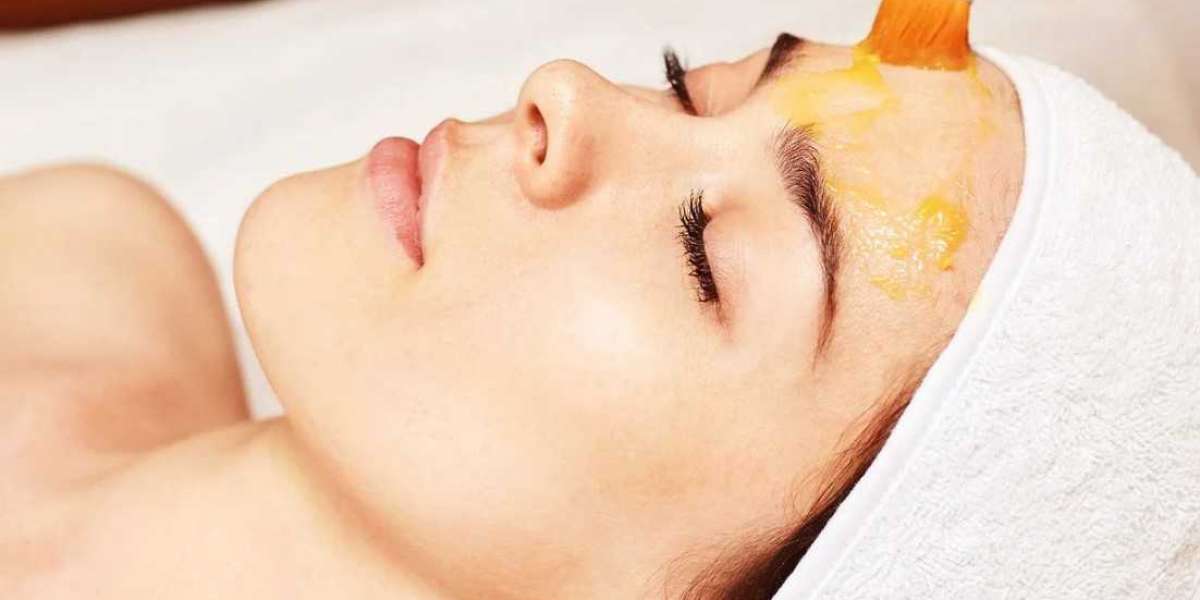

Chemical peels are a highly effective way to rejuvenate the skin, improve texture, reduce pigmentation, and treat acne or fine lines. For residents in Riyadh, where sun exposure and dry climate can affect skin health, following proper post-treatment care for Chemical Peels in Riyadh is essential to ensure safe healing and optimal results.
Post-treatment care helps minimize side effects, supports the skin’s natural healing process, and prolongs the benefits of the peel. This guide provides practical tips, recovery timelines, and essential do’s and don’ts after undergoing a chemical peel.
Immediate Effects After a Chemical Peel
After the treatment, it’s normal to experience certain effects depending on the peel’s depth:
Superficial Peels: Mild redness, slight tingling, and temporary dryness
Medium Peels: Redness, flaking, and possible swelling
Deep Peels: Intense redness, peeling, crusting, and tenderness
These reactions are part of the skin’s natural renewal process. Proper post-peel care ensures comfort, prevents complications, and supports faster recovery.
Essential Post-Treatment Care Steps
1. Keep Your Skin Clean and Gentle
Use a mild, non-irritating cleanser to remove impurities
Avoid scrubbing or rubbing the treated area
Pat skin dry with a soft towel instead of rubbing
Maintaining gentle hygiene helps reduce the risk of infection and irritation.
2. Moisturize Regularly
Moisturizing is crucial for healing and comfort:
Apply a soothing, fragrance-free moisturizer multiple times a day
Look for products with hyaluronic acid, ceramides, or aloe vera for hydration
Avoid heavy creams that may block pores
Consistent hydration prevents excessive dryness and supports even peeling.
3. Avoid Sun Exposure
Sun protection is vital after a chemical peel because the new skin is highly sensitive:
Apply broad-spectrum sunscreen (SPF 30 or higher) daily
Avoid direct sunlight, especially during peak hours
Wear protective clothing and a wide-brimmed hat outdoors
Sun exposure without protection can cause pigmentation, delay healing, and compromise results.
4. Do Not Pick or Peel Skin
Peeling and flaking are natural parts of the healing process:
Do not pick, scratch, or peel the skin
Let dead skin slough off naturally
Avoid using exfoliating scrubs until the skin has fully healed
Picking the skin can lead to scarring, infection, or uneven results.
5. Avoid Harsh Skincare Products
Certain skincare products can irritate sensitive post-peel skin:
Stop using retinoids, strong acids, and acne treatments for the recommended period
Avoid products with alcohol, fragrance, or harsh chemicals
Use gentle, hydrating serums if approved by your practitioner
This helps protect the skin barrier while it regenerates.
6. Follow Practitioner Instructions
Your skincare professional may provide:
Special healing creams or serums
Instructions on how often to cleanse and moisturize
Guidelines for resuming makeup and other treatments
Following their instructions ensures safe recovery and optimal outcomes.
Recovery Timeline
Superficial Peels
Redness and mild dryness: 1–2 days
Minor flaking may appear within a few days
Most people resume normal activities immediately
Medium Peels
Redness and swelling: 2–5 days
Peeling and flaking: 3–7 days
Makeup may be applied after 5–7 days, once peeling subsides
Deep Peels
Intense redness and peeling: 7–14 days
Crusting may occur; healing may take 2–4 weeks
Sun protection and moisturizer are critical during recovery
Individual recovery depends on peel depth, skin type, and adherence to post-care instructions.
Additional Tips for Faster Recovery
Stay Hydrated: Drink plenty of water to support skin healing
Avoid Excessive Heat: Steer clear of saunas, hot showers, or steam for a few days
Limit Physical Activity: Avoid strenuous exercise that may cause excessive sweating
Patience is Key: Skin regeneration takes time; avoid rushing results
Benefits of Following Post-Treatment Care
Adhering to proper aftercare ensures:
Reduced risk of irritation, redness, or infection
Smoother and more even peeling
Faster recovery and more comfortable healing
Prolonged and enhanced results of the chemical peel
Frequently Asked Questions (FAQs)
How long should I follow post-peel care?
For superficial peels, 1–2 weeks is usually sufficient. Medium and deep peels may require 2–4 weeks of careful care.
Can I wear makeup after a peel?
For superficial peels, light makeup may be applied the next day. For medium or deep peels, wait until peeling subsides and your practitioner gives approval.
Is redness normal after a peel?
Yes, redness is a natural response. It typically subsides within a few days for superficial peels and longer for deeper peels.
Can I use sunscreen immediately after a peel?
Yes, gentle sunscreen should be applied daily to protect sensitive, healing skin.
Should I moisturize frequently?
Yes, frequent moisturizing is essential to prevent dryness and support the healing process.
Can I continue my regular skincare routine?
Avoid retinoids, strong acids, and exfoliants until your skin fully recovers. Resume gentle skincare as advised by your practitioner.
What if my skin feels itchy or tight?
This is normal. Apply a soothing moisturizer and avoid scratching. Contact your practitioner if discomfort persists.
Final Thoughts
Proper post-treatment care is essential for achieving safe, effective, and long-lasting results with chemical peels. By keeping your skin hydrated, avoiding sun exposure, following your practitioner’s advice, and letting your skin heal naturally, you can enjoy smoother, brighter, and healthier skin. For professional guidance and tailored chemical peel treatments in Riyadh, Aesthetic Clinic Riyadh provides expert care to help clients achieve optimal skin rejuvenation and lasting results.