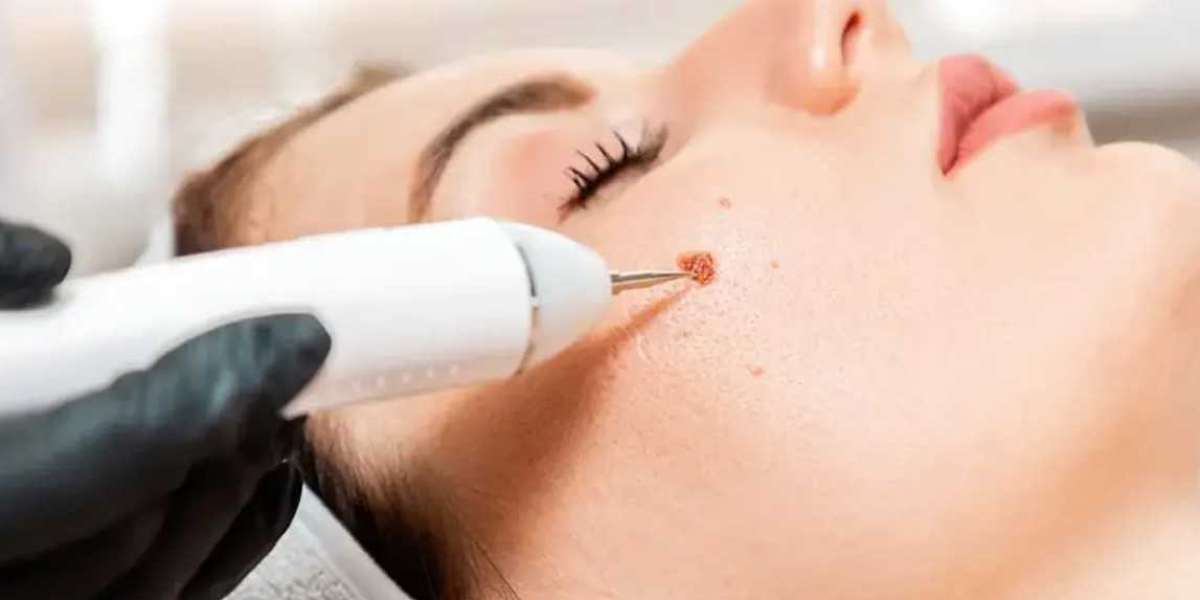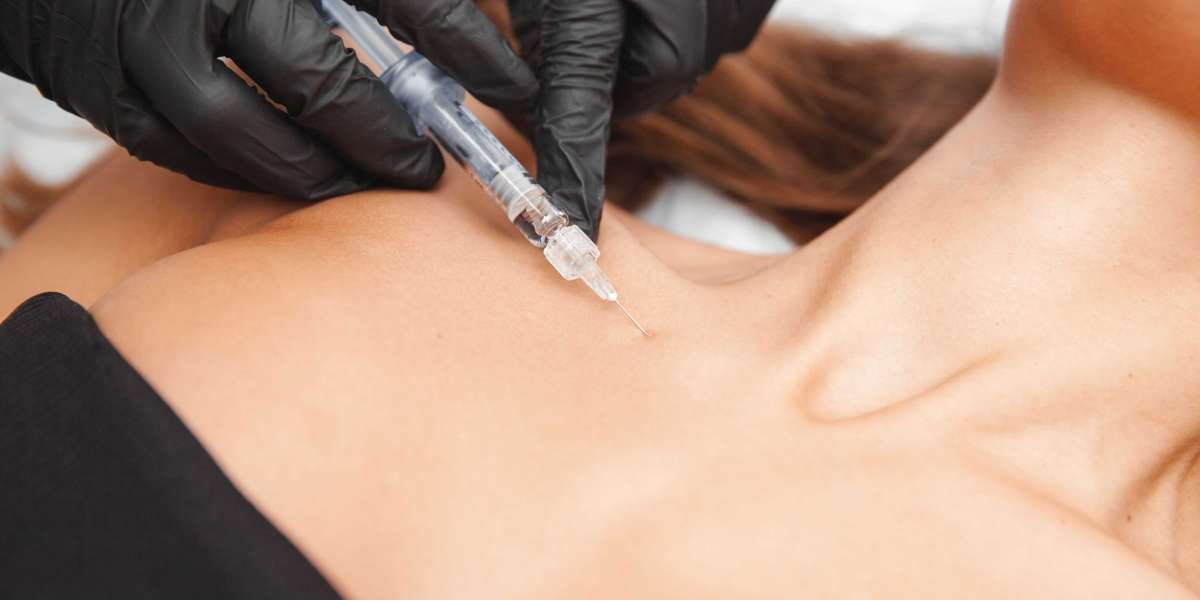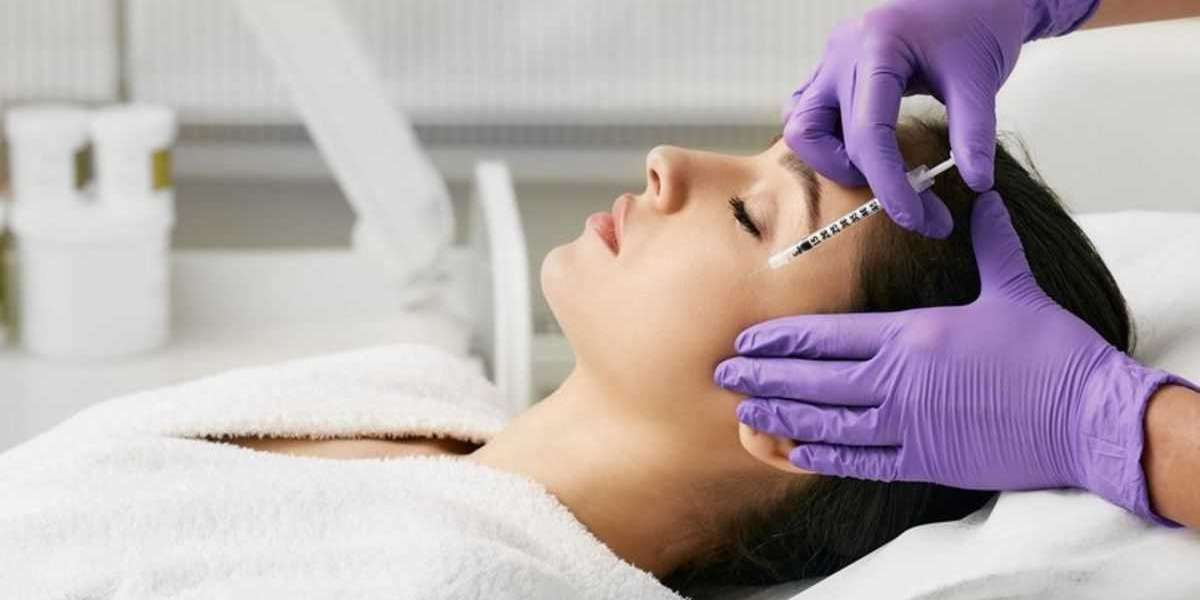

Mesotherapy has become an increasingly popular treatment for improving skin concerns such as acne scars and pigmentation. Its effectiveness lies in its ability to deliver active ingredients directly into the skin, where they can work more efficiently than topical products. By targeting the deeper layers of the skin, mesotherapy helps repair damage, promote regeneration, and restore a more even and healthy complexion. Mesotherapy in Riyadh is becoming a popular choice for those seeking non-surgical solutions for healthier skin and hair.
Acne scars form when the skin’s healing process is disrupted after inflammation caused by acne. This can lead to either depressed scars, where there is a loss of tissue, or raised scars, where excess tissue forms. Pigmentation, on the other hand, often appears as dark spots or uneven skin tone, usually due to increased melanin production following acne, sun exposure, or hormonal changes. Mesotherapy addresses both of these concerns through a combination of skin nourishment, stimulation, and targeted treatment.
One of the primary ways mesotherapy helps with acne scars is by stimulating collagen production. Collagen is a structural protein that gives skin its firmness and smoothness. When acne damages the skin, collagen is often lost or improperly formed, resulting in uneven texture. During mesotherapy, tiny injections create controlled micro-injuries in the skin, which trigger the body’s natural healing response. This response includes the production of new collagen and elastin fibers. Over time, this process helps fill in depressed scars, smooth out the skin’s surface, and improve overall texture.
In addition to the mechanical stimulation caused by the injections, the substances used in mesotherapy further enhance the healing process. These formulations often contain vitamins such as vitamin C, amino acids, and growth factors that support cell repair and regeneration. Hyaluronic acid is also commonly included, helping to hydrate the skin and improve its elasticity. Well-hydrated skin appears plumper, which can make acne scars less noticeable and give the skin a more even appearance.
Mesotherapy is also highly effective in treating pigmentation issues. One of the key ingredients used for this purpose is vitamin C, known for its brightening properties. It works by inhibiting the enzyme responsible for melanin production, thereby reducing the formation of dark spots. Other ingredients, such as glutathione and certain peptides, may also be included to further lighten pigmentation and promote a more uniform skin tone.
Another way mesotherapy improves pigmentation is by enhancing cell turnover. The micro-injections stimulate the skin to renew itself more rapidly, which helps shed damaged, pigmented cells and replace them with healthier ones. This process gradually fades dark spots and leads to a clearer complexion. Improved blood circulation in the treated area also contributes to a healthier skin tone, as increased oxygen and nutrient delivery support optimal skin function.
A significant advantage of mesotherapy is its ability to be customized according to individual skin needs. For someone with acne scars, the formulation may focus more on collagen stimulation and tissue repair. For pigmentation, the emphasis may shift toward brightening agents and antioxidants. This tailored approach ensures that each treatment is specifically designed to address the patient’s concerns, leading to more effective and targeted results.
The treatment is typically performed over multiple sessions, as gradual improvement is key to achieving natural-looking results. Patients may begin to notice smoother skin texture and a reduction in pigmentation after a few sessions, with continued enhancement over time. Because the process works with the skin’s natural healing mechanisms, the results tend to look subtle and progressive rather than sudden or artificial.
Another benefit of mesotherapy is that it is minimally invasive, with relatively little downtime. After treatment, mild redness, swelling, or small bumps may appear, but these usually resolve within a day or two. This makes it a convenient option for individuals who want to improve their skin without undergoing more aggressive procedures.
However, it is important to understand that mesotherapy may not completely eliminate deep acne scars or severe pigmentation on its own. In such cases, it is often combined with other treatments like chemical peels or microneedling to achieve more comprehensive results. Even so, mesotherapy plays a valuable role in enhancing overall skin quality and supporting other therapies.
Consistency and proper aftercare are also crucial for achieving the best outcomes. Protecting the skin from sun exposure, maintaining a good skincare routine, and following professional advice can help prolong the benefits of the treatment. Since pigmentation is often influenced by UV exposure, using sunscreen regularly is especially important.
In conclusion, mesotherapy helps with acne scars and pigmentation by delivering targeted nutrients into the skin, stimulating collagen production, and promoting cell renewal. Its ability to address both texture and tone makes it a versatile solution for improving skin appearance. With regular sessions and proper care, mesotherapy can significantly reduce the visibility of scars and dark spots, leading to smoother, clearer, and more radiant skin.