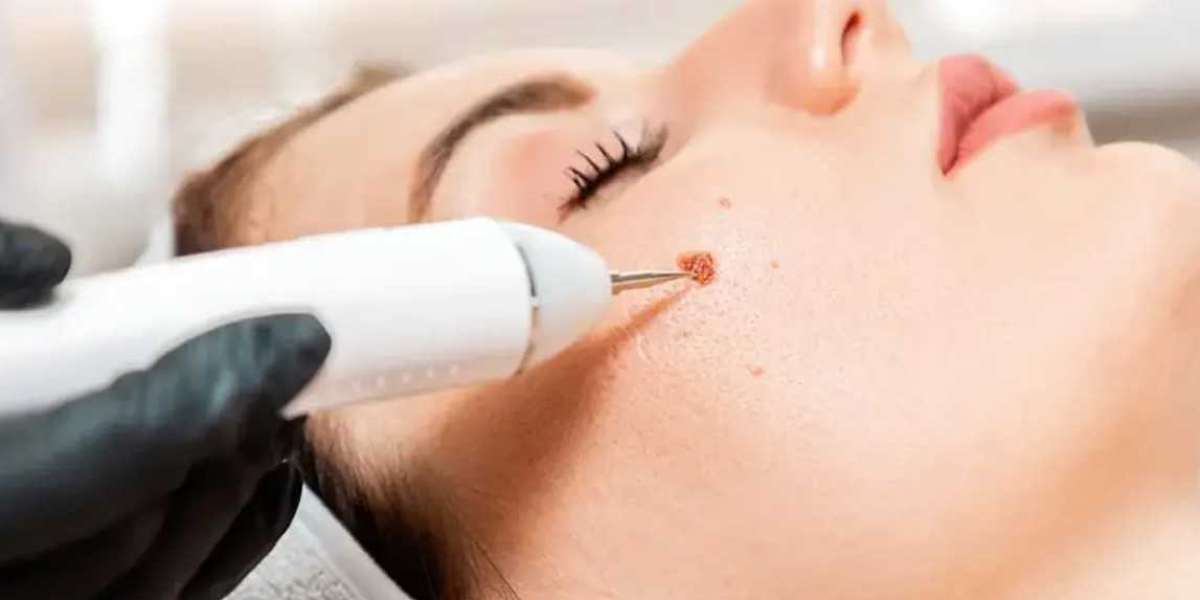

Mole removal is a common procedure performed for both medical and cosmetic reasons. While most mole removals are safe, it is important to understand the potential risks and side effects, as they can vary depending on the method used and the individual’s skin type. Awareness of these factors helps patients make informed decisions and take appropriate precautions before and after treatment.
If you’re looking for safe and effective options, understanding the process of Mole Removal in Riyadh can help you make the best choice for your skin health.
1. Infection
One of the most common risks associated with mole removal, especially surgical excision, is infection. Any time the skin is broken, bacteria can enter the wound, leading to redness, swelling, pain, and sometimes pus formation. Infections are generally mild and can be treated effectively with antibiotics. Proper wound care, such as keeping the area clean, applying antiseptic ointments, and following post-procedure instructions, significantly reduces the likelihood of infection.
2. Scarring
Scarring is an almost inevitable side effect of mole removal, though the severity depends on the method used, the size and depth of the mole, and the patient’s skin type. Surgical excision usually leaves a small linear scar, which may fade over time but rarely disappears completely. Non-surgical methods, such as laser removal or cryotherapy, typically result in less noticeable scarring but can still leave faint marks or changes in skin texture. People with darker skin or a history of keloids are at higher risk of developing prominent or raised scars.
3. Pigmentation Changes
Changes in skin pigmentation are common after mole removal. Hyperpigmentation occurs when the treated area becomes darker than the surrounding skin, while hypopigmentation occurs when it becomes lighter. These changes are more likely with laser treatment, chemical peels, or cryotherapy and may persist for months or, in some cases, be permanent. Sun exposure on the treated area can worsen pigmentation changes, so using sunscreen and protective clothing is highly recommended during the healing process.
4. Bleeding and Bruising
Bleeding can occur during or after mole removal, especially with surgical methods. Most bleeding is minor and stops with pressure, but larger or deeper moles may require stitches or additional care to control bleeding. Bruising may also occur, particularly in areas with thinner skin or high vascularity, such as the face. These side effects are usually temporary and resolve within a week or two.
5. Pain and Discomfort
Pain is typically mild and short-lived after mole removal. Surgical excision and electrocautery may cause soreness or tenderness at the site for a few days. Non-surgical procedures such as laser therapy or cryotherapy may cause tingling, stinging, or mild burning during and shortly after the procedure. Over-the-counter pain relievers are often sufficient to manage discomfort. Patients are advised to avoid picking or scratching the area to prevent additional irritation or infection.
6. Recurrence of the Mole
In some cases, a mole may regrow after removal. This is more common with non-surgical treatments like laser therapy, cryotherapy, or topical creams, which may not remove all pigment cells. Recurrence is less likely after surgical excision, as the mole is completely removed along with its root. Regular monitoring is recommended to ensure that any regrowth is identified and addressed promptly.
7. Allergic Reactions
Some individuals may experience allergic reactions to anesthetics, topical creams, or antiseptics used during the mole removal process. Symptoms can include redness, itching, swelling, or rash. Severe allergic reactions are rare but require immediate medical attention. It is important to inform the dermatologist of any known allergies before the procedure.
8. Nerve Damage or Loss of Sensation
Though uncommon, mole removal procedures—particularly surgical excision—can sometimes affect nearby nerves, resulting in temporary or permanent numbness, tingling, or altered sensation in the treated area. This risk is higher for moles located on sensitive areas such as the face, hands, or soles of the feet. Most cases of nerve irritation resolve over time, but permanent changes can occasionally occur.
9. Psychological Impact
While less discussed, mole removal can have psychological effects, especially if scarring or pigment changes are significant. Individuals who remove moles for cosmetic reasons may experience dissatisfaction if the results do not meet expectations. Open communication with the dermatologist about potential outcomes can help manage expectations and reduce anxiety.
Conclusion
Mole removal, whether for cosmetic or medical purposes, is generally safe but carries potential risks and side effects. These include infection, scarring, pigmentation changes, bleeding, pain, recurrence, allergic reactions, and, in rare cases, nerve damage. Non-surgical methods tend to have fewer side effects but may be less effective for deeper moles. Understanding these risks, following proper pre- and post-procedure care, and consulting an experienced dermatologist are essential steps to minimize complications. With proper precautions and professional guidance, mole removal can be performed safely, providing both health benefits and aesthetic improvement.