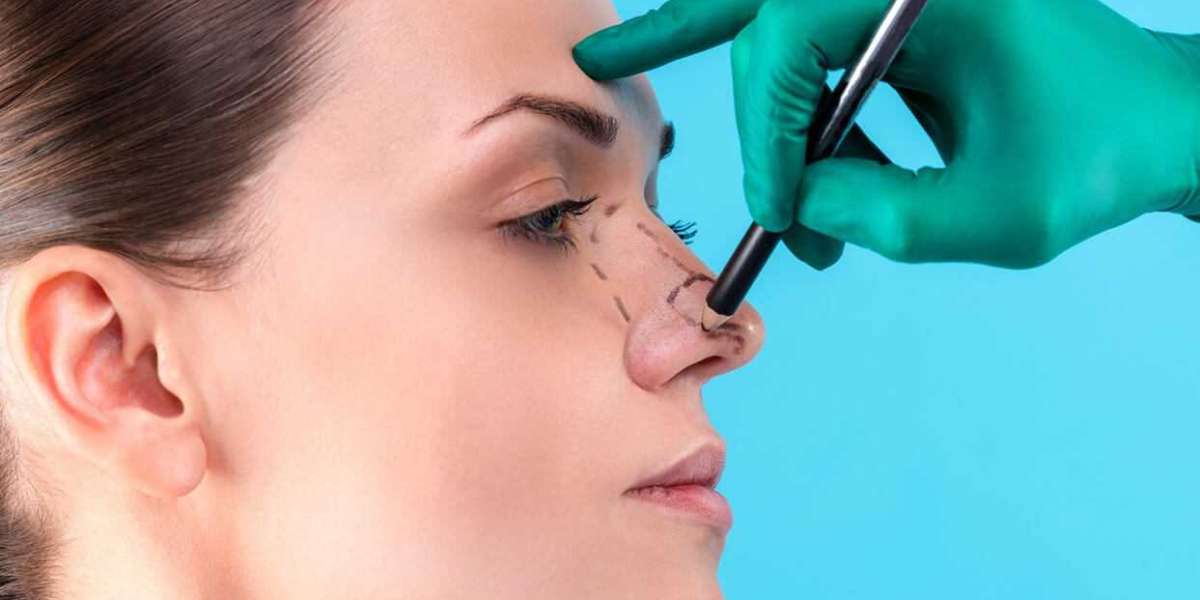

Rhinoplasty, often called a “nose job,” is a delicate surgical procedure that reshapes the nose for aesthetic or functional reasons. Understanding the recovery timeline is essential for anyone considering the surgery. While each patient heals differently, having a clear idea of what to expect during the days, weeks, and months following rhinoplasty can help manage expectations and ensure a smooth recovery.
If you are considering enhancing your facial harmony, exploring options for Rhinoplasty in Riyadh can help you achieve both aesthetic and functional improvements safely.
Immediate Recovery: The First 24 to 48 Hours
The first day or two after surgery is often the most physically demanding. Patients typically experience swelling, bruising, and some discomfort around the nose and eyes. Anesthesia effects may linger, leaving you feeling groggy or tired. During this phase:
- Rest is crucial. Keeping your head elevated, even while sleeping, helps reduce swelling.
- Cold compresses applied gently around the eyes and cheeks can minimize bruising. Do not apply pressure directly on the nose.
- Medication adherence is essential for managing pain and preventing infection. Take all prescribed medications exactly as instructed.
- Nasal packing or splints may be in place to support the nose and control bleeding. These are usually removed within a few days to a week.
It’s normal to notice minor bleeding or nasal discharge, but heavy bleeding or severe pain should prompt immediate contact with your surgeon.
First Week: Initial Healing and Swelling
During the first week, the majority of swelling and bruising occurs around the nose and under the eyes. Most patients are advised to:
- Rest and avoid strenuous activity. Even light exercise should be postponed to prevent increased blood flow to the face.
- Keep incisions clean and dry. Follow your surgeon’s instructions for cleansing and any topical treatments.
- Sleep on your back with your head elevated. Avoid side or stomach sleeping to prevent accidental pressure on the nose.
- Limit facial movements. Expressions, bending over, or lifting objects can exacerbate swelling.
Many patients can return to light, non-strenuous daily activities after the first week, but visible bruising and puffiness may still be noticeable.
Weeks 2 to 3: Bruising Fades, Swelling Reduces
By the second and third weeks, most bruising has faded, and swelling begins to decrease significantly. During this phase:
- Splints or stitches that remain may be removed by your surgeon.
- Normal activities such as walking and light household tasks can often resume, though high-impact or heavy exercise is still discouraged.
- Sun protection becomes important. Nasal skin may be sensitive, and exposure to sunlight can worsen discoloration or scars.
Patients often feel more confident about their appearance during this stage, but the nose may still feel numb, stiff, or slightly swollen. These sensations are normal and usually improve gradually.
Weeks 4 to 6: Resuming Moderate Activity
Between four and six weeks post-surgery, the nose continues to heal, and residual swelling slowly resolves. Key considerations during this phase include:
- Exercise can gradually resume, starting with moderate activities. Strenuous workouts or contact sports should still be avoided until cleared by your surgeon.
- Swelling is usually minimal, but some subtle puffiness may persist, especially at the nasal tip.
- Soft massage or gentle manipulation may sometimes be recommended by your surgeon to aid in shaping and fluid drainage.
By the end of the sixth week, most patients can resume work and social activities without noticeable bruising or discomfort.
Months 2 to 3: Continued Healing and Refinement
During the second and third months:
- Swelling continues to subside, though subtle puffiness may remain, particularly at the nasal tip.
- Numbness or tingling may gradually improve as nerve endings recover.
- Scar maturation progresses, with incisions becoming less noticeable.
At this stage, the nose starts to take on its more refined shape, but patience is important—final results are still evolving.
Months 4 to 6: Nearing Final Results
By four to six months post-surgery:
- Most swelling has resolved, and the majority of the final shape is visible.
- Nasal tip refinement may still be ongoing, as this area can retain minor swelling longer than the bridge or sides of the nose.
- Patients can generally resume all normal physical activities, including contact sports, if cleared by the surgeon.
It is common for subtle changes in shape to continue occurring as tissues settle.
1 Year and Beyond: Full Recovery
Full healing and final results from rhinoplasty can take up to a year, particularly for surgeries involving complex reshaping or revision procedures. At this point:
- All swelling is typically gone.
- Numbness or stiffness should have resolved.
- The nose’s shape is considered stable and permanent.
Patients often report complete satisfaction with both appearance and function once the nose has fully healed.
Tips for a Smooth Recovery
- Follow your surgeon’s instructions closely. Adherence to medication, wound care, and activity restrictions is key.
- Avoid pressure on the nose. Be careful when wearing glasses or engaging in activities that could bump the nose.
- Maintain a healthy diet and hydration. Nutrient-rich foods support tissue repair and overall healing.
- Manage expectations. Patience is essential, as the nose continues to refine over months.
Conclusion
Rhinoplasty recovery is a gradual process that unfolds over weeks and months. While the first few days and weeks are focused on managing swelling, bruising, and discomfort, the subsequent months involve continued healing, refinement, and adjustment. Understanding the timeline helps patients anticipate changes, adhere to care instructions, and achieve the best possible results. With proper care and patience, the outcome of rhinoplasty can be both aesthetically pleasing and functionally rewarding.