
Botox, a brand name for botulinum toxin type A, is one of the most widely used cosmetic and therapeutic treatments in modern medicine. Its popularity for facial rejuvenation and medical applications stems from its precise mechanism of action, which targets the nervous system to temporarily relax muscles. Understanding the science behind Botox involves exploring its origin, how it interacts with nerves and muscles, and the physiological processes that lead to visible results. Many people are exploring the benefits of a Botox injection in Riyadh to reduce wrinkles and achieve a more youthful appearance.
Botulinum toxin is produced by the bacterium Clostridium botulinum, which naturally generates this protein as a neurotoxin. In its untreated form, it can cause botulism, a serious illness characterized by muscle paralysis. However, in controlled doses, the toxin is purified, diluted, and prepared for safe medical and cosmetic use. Botox injections exploit the toxin’s ability to block neurotransmission, allowing doctors to selectively relax specific muscles without affecting the surrounding tissues.
At the cellular level, Botox works by targeting the neuromuscular junction—the point where nerve endings meet muscle fibers. Normally, when a nerve sends a signal to a muscle, it releases a neurotransmitter called acetylcholine into the synaptic cleft. Acetylcholine binds to receptors on the muscle cell, triggering contraction. Botox interferes with this process by preventing the release of acetylcholine from the nerve terminal. Without this chemical messenger, the muscle cannot contract, leading to temporary relaxation of the treated area.
The onset of Botox’s effect is gradual. After injection, the toxin binds to the nerve endings within hours, but visible relaxation of the muscle usually begins after two to three days. The full effect is typically observed within one to two weeks, depending on the individual’s metabolism, muscle strength, and injection site. This temporary paralysis lasts for approximately three to six months, after which nerve endings regenerate, and normal muscle function gradually returns. Repeat treatments are necessary to maintain the desired effect over time.
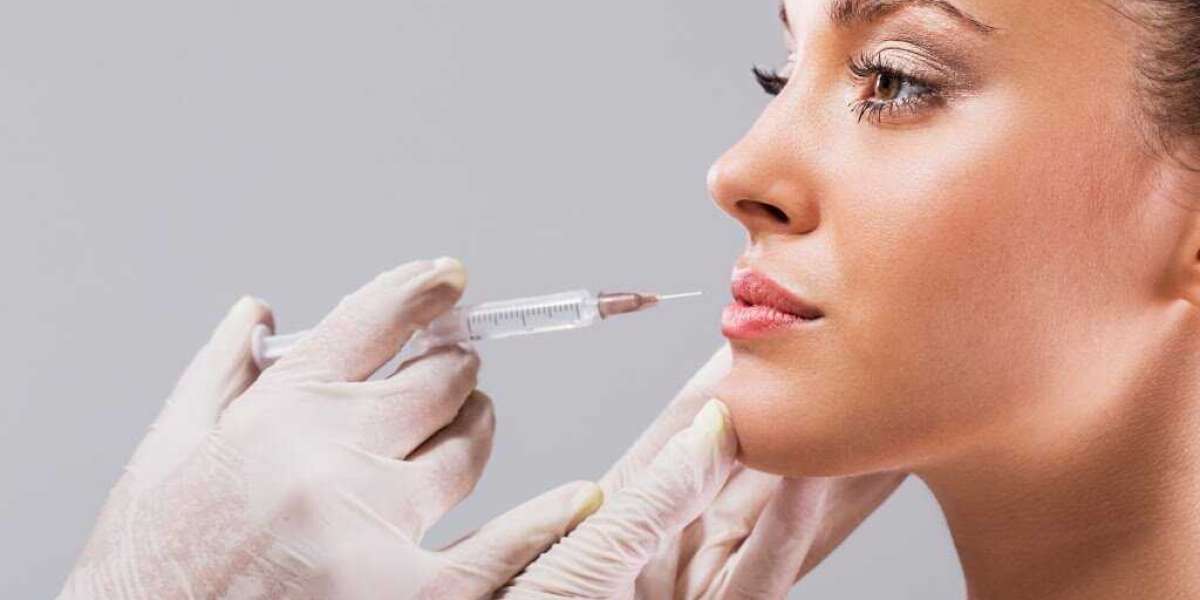
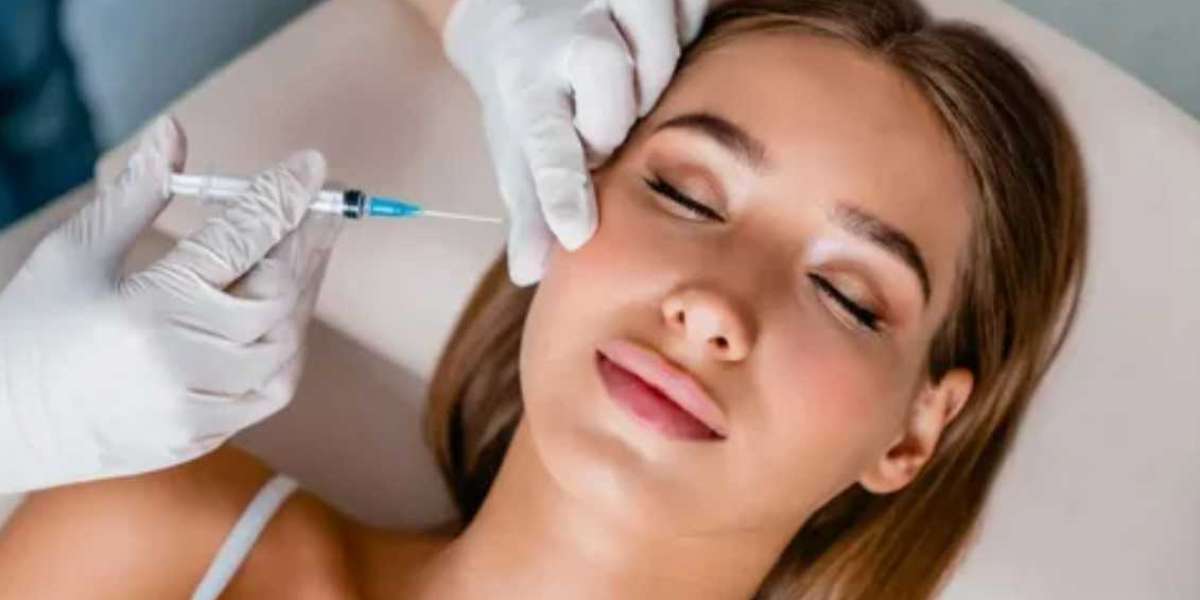
Botox injections are highly versatile because they can be precisely targeted. Different facial muscles control various expressions, and skilled practitioners map these muscles carefully before injection. For example, the frontalis muscle raises the eyebrows and forms horizontal forehead lines, the corrugator and procerus muscles cause vertical frown lines between the eyebrows, and the orbicularis oculi muscles contribute to crow’s feet around the eyes. By selectively relaxing these muscles, Botox smooths wrinkles while preserving natural movement, avoiding the “frozen” appearance that can result from over-treatment.
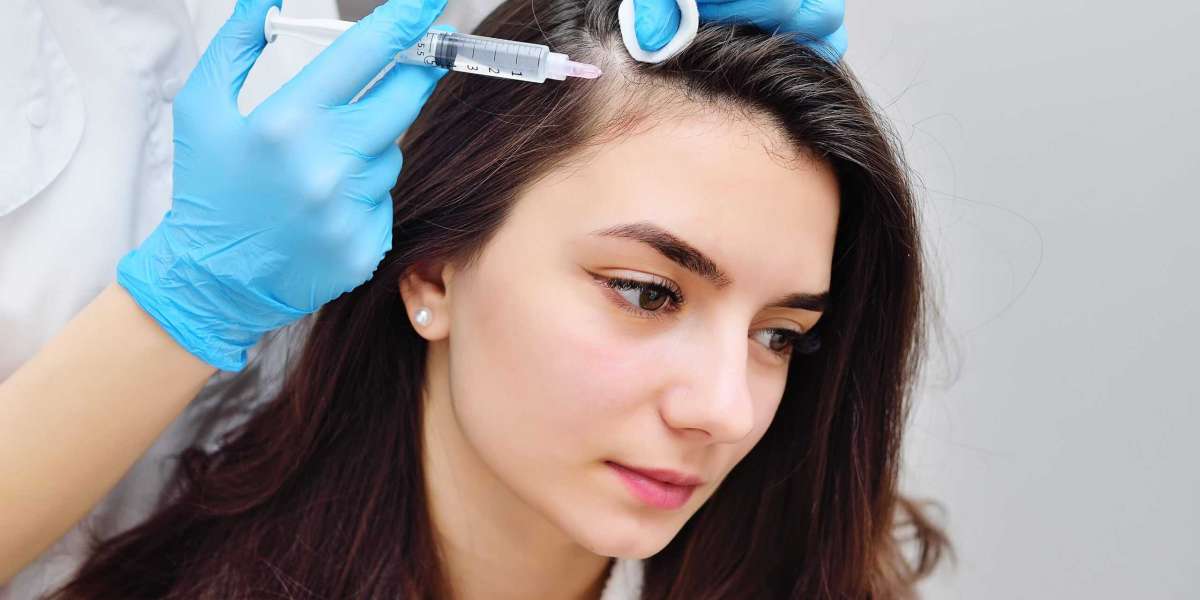
Beyond cosmetic applications, the science behind Botox extends to medical treatments. Because it inhibits muscle contraction, Botox is used to manage conditions involving excessive muscle activity. Examples include chronic migraines, where Botox injections reduce tension in specific head and neck muscles; hyperhidrosis, which involves overactive sweat glands; and certain types of muscle spasticity in neurological disorders. The same principle—blocking neurotransmitter release—underpins both cosmetic and therapeutic benefits.
The safety of Botox is grounded in its precise dosage and targeted delivery. The amount used in cosmetic procedures is extremely small, typically measured in units. Only a tiny fraction of the protein is injected into specific muscles, minimizing systemic exposure and reducing the risk of adverse effects. Side effects are usually localized and temporary, such as minor bruising, swelling, or mild headache. Serious complications are rare, especially when injections are performed by trained professionals who understand facial anatomy and neuromuscular function.
Research into Botox’s mechanism has also revealed interesting nuances. For instance, studies suggest that repeated use may reduce the strength of treated muscles over time, potentially leading to longer-lasting wrinkle reduction. Additionally, Botox may have subtle effects on skin texture and quality. By decreasing repetitive muscle movement, the overlying skin experiences less mechanical stress, which may slow the formation of dynamic wrinkles. Some researchers also hypothesize that Botox might influence facial signaling pathways, potentially altering how the brain perceives emotion, although these effects are secondary to its primary neuromuscular action.
In conclusion, the science behind Botox injections centers on its ability to block acetylcholine release at the neuromuscular junction, leading to temporary muscle relaxation. This simple yet precise mechanism underlies its effectiveness for both cosmetic and therapeutic applications. By carefully targeting specific muscles, Botox smooths wrinkles, reduces excessive muscle activity, and can improve quality of life for individuals with certain medical conditions. Its temporary nature, minimal invasiveness, and predictable results make it a cornerstone of modern aesthetic medicine, illustrating how understanding molecular and cellular mechanisms can translate into practical, visible benefits for patients.