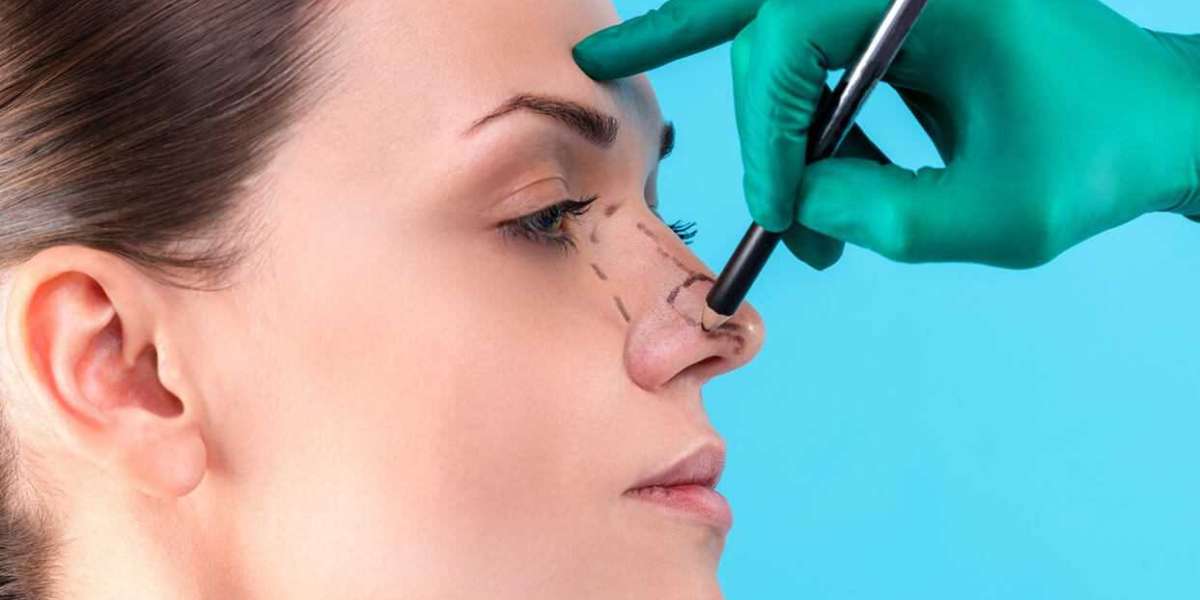

Rhinoplasty, commonly referred to as a nose job, is a delicate surgical procedure that reshapes or reconstructs the nose for cosmetic or functional reasons. While the results can be transformative, the recovery period requires careful management of pain and swelling to ensure optimal healing. Proper post-operative care not only enhances comfort but also contributes to the final aesthetic and functional outcomes. In Riyadh, patients are often advised to follow a structured recovery plan that includes medication, lifestyle adjustments, and protective measures. If you’re considering a nose enhancement, Rhinoplasty Riyadh offers a range of surgical and non-surgical options to help achieve your desired look.
Understanding Pain and Swelling After Rhinoplasty
Pain and swelling are natural responses of the body to surgery. Swelling occurs as tissues react to trauma, while pain arises from inflammation and surgical manipulation of nerves and cartilage.
Typical Patterns
- Immediate post-surgery: Swelling and moderate discomfort are most pronounced in the first 48 to 72 hours. Bruising around the eyes and nasal bridge is also common.
- First week: Pain gradually subsides but may fluctuate, especially when moving or touching the nose. Swelling often peaks in the first few days and begins to decrease after the first week.
- Weeks 2–4: Bruising fades, and swelling continues to decrease, but the nasal tip may remain slightly puffy for several months.
- Long-term: Minor residual swelling, particularly in the nasal tip, can persist for up to 12 months.
Understanding these stages helps patients set realistic expectations and reduces anxiety during recovery.
Immediate Post-Operative Pain Management
Managing pain effectively begins immediately after surgery.
Medication
- Prescription pain relievers: Surgeons often prescribe mild to moderate pain medications to control discomfort in the first few days.
- Over-the-counter options: In some cases, medications like acetaminophen are recommended, while NSAIDs such as ibuprofen may be avoided initially to reduce the risk of increased bleeding.
- Antibiotics: While not directly for pain, antibiotics may be prescribed to prevent infection, which could worsen swelling or discomfort.
Comfort Measures
- Head elevation: Keeping the head elevated at a 30–45 degree angle reduces blood flow to the area, minimizing swelling and pain.
- Cold compresses: Applying gentle cold packs to the cheeks or around the eyes (avoiding direct pressure on the nose) can reduce inflammation and numb discomfort.
Lifestyle Strategies to Reduce Swelling
Certain lifestyle adjustments can significantly influence swelling and healing during the first weeks.
Diet and Hydration
- Anti-inflammatory foods: Incorporating foods rich in antioxidants, such as berries, leafy greens, and citrus, may help reduce inflammation.
- Hydration: Drinking adequate water supports tissue repair and helps flush out excess fluid that can contribute to swelling.
Activity and Movement
- Avoid strenuous activity: Heavy lifting, running, or intense exercise can increase blood flow and worsen swelling.
- Gentle walking: Short, light walks improve circulation without putting pressure on the nose.
- Avoid bending over: Movements that increase pressure in the head or face can exacerbate swelling.
Protecting the Nose
Protecting the nose from trauma is crucial for reducing both pain and swelling.
Nasal Splints and Dressings
- External splints: Usually worn for the first week, they stabilize the nasal structure and protect against accidental bumps.
- Internal supports: If used, these help maintain airway function and reduce swelling internally.
Avoiding Contact and Pressure
- No glasses: Patients are often advised to avoid wearing eyeglasses directly on the bridge until cleared by the surgeon.
- No touching or rubbing: Manipulating the nose can cause irritation, pain, and prolonged swelling.
Swelling Management Over Weeks 2–6
After the initial week, pain usually becomes minimal, but swelling may still persist.
Techniques
- Gentle massage or lymphatic drainage: Some surgeons recommend very light massage around the cheeks to encourage fluid drainage.
- Topical care: Applying recommended ointments or moisturizers can support skin healing and comfort.
- Temperature management: Warm compresses can be introduced later to promote circulation once swelling has begun to subside.
Long-Term Considerations
Even months after surgery, minor swelling, especially in the nasal tip, may persist.
Monitoring
- Regular follow-ups: Visiting your surgeon ensures that lingering swelling or discomfort is within normal ranges and addresses any complications.
- Patience: Full recovery may take up to a year; minor swelling can gradually diminish over this period.
Lifestyle
- Avoid trauma: Protecting the nose from accidents or contact sports prevents setbacks.
- Sun protection: Direct sun exposure can worsen swelling or discoloration, so sunscreen and shade are recommended.
Psychological and Emotional Support
Pain and swelling can be stressful, particularly when patients are anxious about their appearance. Emotional well-being plays a role in overall recovery. Strategies include:
- Maintaining realistic expectations: Understanding the recovery timeline prevents unnecessary stress.
- Support networks: Family and friends can help with daily activities and emotional encouragement.
- Relaxation techniques: Deep breathing, meditation, or light stretching (approved by the surgeon) can improve comfort and reduce tension.
Conclusion
Managing pain and swelling after rhinoplasty requires a combination of medication, protective measures, lifestyle adjustments, and patience. Immediate post-operative care focuses on controlling discomfort and minimizing swelling through head elevation, cold compresses, and prescribed medications. Over the following weeks, diet, gentle activity, and careful handling of the nose further support healing. Long-term management involves monitoring residual swelling, protecting the nose from trauma, and maintaining a healthy lifestyle.