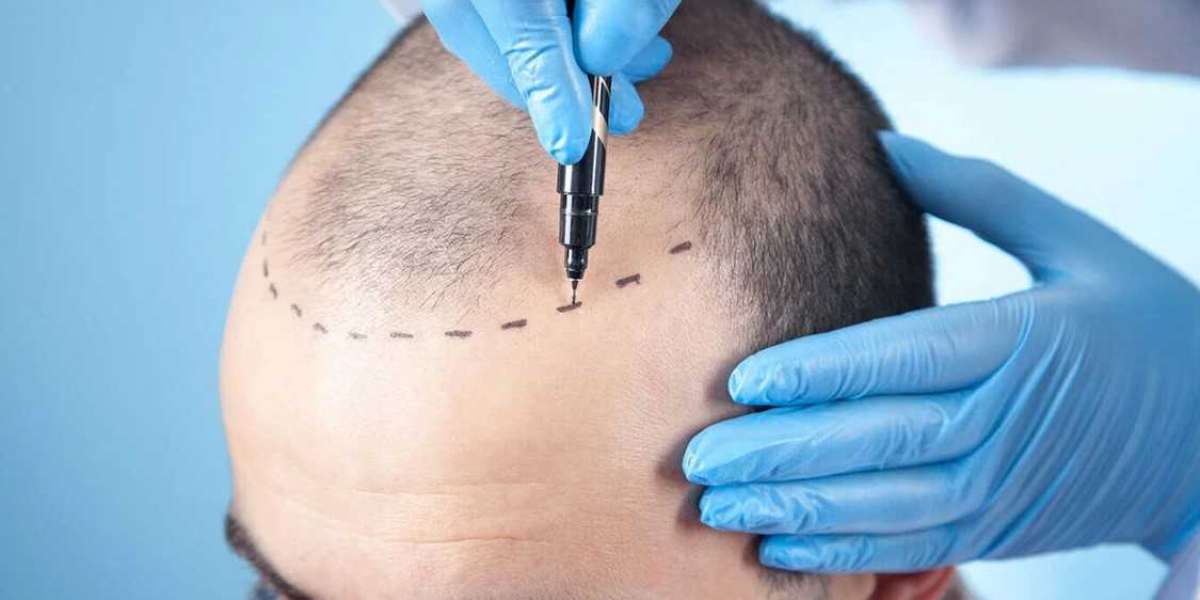

Hair transplant procedures are increasingly popular worldwide, and Riyadh has become a hub for people seeking effective solutions for hair loss. Among the available techniques, Follicular Unit Extraction (FUE) and Follicular Unit Transplantation (FUT) are the two primary methods used by specialists. While both procedures aim to restore hair in thinning or bald areas, they differ in surgical approach, recovery, scarring, and suitability for different patients. Understanding these differences is essential for anyone considering a hair transplant. Hair transplant in Riyadh has become a popular solution for those seeking effective and lasting hair restoration.
Follicular Unit Extraction (FUE) is a modern, minimally invasive hair transplant technique. In FUE, individual hair follicles are extracted directly from the donor area, usually the back or sides of the scalp, using a small, specialized punch tool. Each follicular unit, consisting of one to four hairs, is carefully removed and then transplanted into the areas experiencing hair loss. Because the follicles are removed individually, FUE does not require a large incision or sutures, leaving only tiny, almost invisible marks that heal quickly. This method is often preferred by patients who want to wear short hairstyles, as scarring is minimal and not noticeable. FUE is also suitable for patients who require small to moderate sessions of hair restoration or who want to avoid a linear scar that is characteristic of FUT.
Follicular Unit Transplantation (FUT), sometimes called the strip method, is an older but still widely practiced technique. In FUT, a strip of scalp is surgically removed from the donor area, typically the back of the head, and the incision is then closed with sutures. The strip is dissected under a microscope into individual follicular units, which are then implanted into the recipient area. Because the procedure involves removing a strip rather than individual follicles, it allows the surgeon to harvest a large number of grafts in a single session. This can be advantageous for patients with extensive hair loss who require high-density coverage. However, FUT leaves a linear scar that can be noticeable if the hair is worn very short, and the recovery period may be slightly longer due to the sutures.
One of the main differences between FUE and FUT is the invasiveness of the procedure and resulting scarring. FUE’s minimally invasive nature generally results in less post-operative discomfort and a quicker return to normal activities. The tiny dot-like scars from FUE are usually hard to detect even with short hair, making it an appealing choice for individuals concerned about aesthetics during healing. FUT, by contrast, produces a linear scar that can be covered by surrounding hair but may remain visible if the hair is cut very short. The choice between the two often depends on personal preference regarding hair length and tolerance for scarring.
Another significant difference lies in graft yield and session duration. FUT typically allows for harvesting a larger number of grafts in a single session compared to FUE, making it more efficient for patients needing extensive coverage. FUE sessions are generally longer, as each follicle must be extracted individually, which can limit the number of grafts transplanted in one sitting. However, recent advances in FUE technology, including motorized extraction tools, have increased efficiency and reduced procedural time, narrowing the gap between the two methods.
Recovery and post-operative care also vary. Patients undergoing FUE usually experience less discomfort and swelling, and the healing period is shorter due to the absence of large incisions. Most patients can resume normal activities within a few days, while FUT patients may need a week or more for the donor site to heal properly. FUT patients also need to be cautious with physical activities to prevent stress on the sutured area. Both methods require careful post-operative care, including gentle washing, avoiding sun exposure, and following the surgeon’s instructions to ensure optimal graft survival.
Cost considerations may also influence the choice between FUE and FUT. Generally, FUE is more labor-intensive and technologically demanding, which can make it slightly more expensive per graft. FUT, while potentially less costly, may require more downtime and has the aesthetic consideration of a linear scar. Patients in Riyadh should discuss these factors with their specialist to determine which approach aligns with their goals, budget, and lifestyle.
Suitability is another factor. FUE is ideal for patients with tight scalp skin, those who have limited donor hair, or those who prefer shorter hairstyles. FUT is better suited for patients requiring a large number of grafts in one session or those who are less concerned about a linear scar. In some cases, surgeons may combine both methods to optimize results, particularly for extensive hair restoration.
In conclusion, both FUE and FUT are effective hair transplant methods with their own advantages and limitations. FUE offers a minimally invasive approach with minimal scarring and quicker recovery, while FUT allows for the transplantation of a large number of grafts in a single session but leaves a linear scar and may require longer healing. The choice between FUE and FUT depends on individual factors such as the extent of hair loss, hair type, scalp condition, aesthetic preferences, and recovery priorities. Consulting a qualified hair transplant specialist in Riyadh ensures that patients receive a personalized recommendation and achieve natural, long-lasting results.