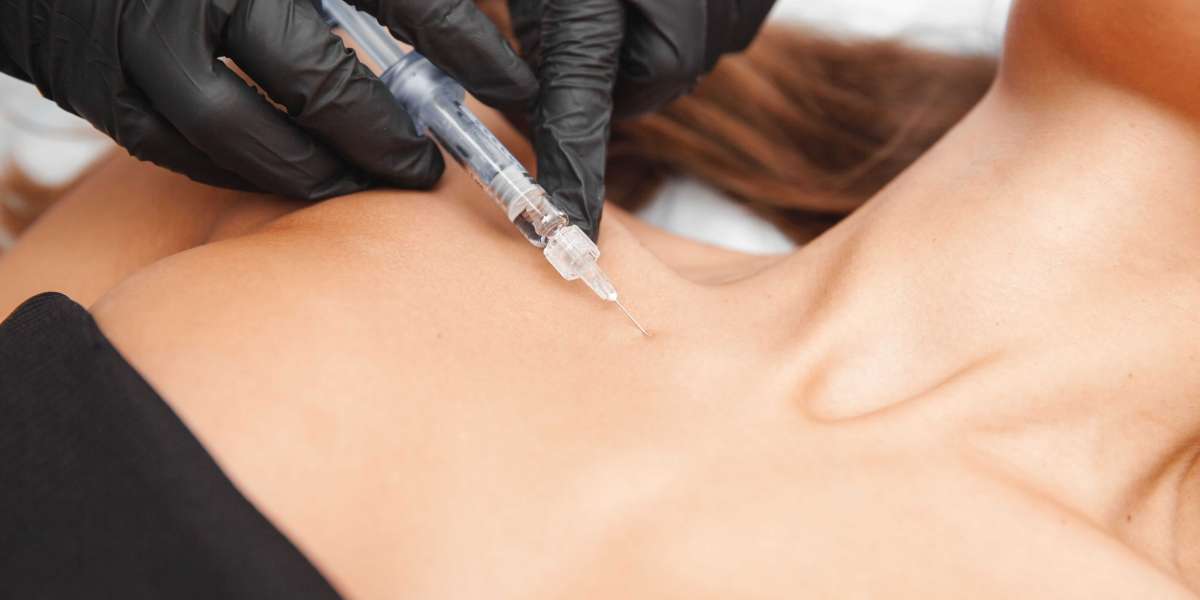

Considering breast lift surgery Riyadh is an exciting step toward restoring a youthful breast contour, but it’s essential to understand the potential risks and complications. While breast lifts, or mastopexy procedures, are generally safe when performed by experienced surgeons, being informed about possible outcomes helps patients make educated decisions and prepare for a smooth recovery.
Introduction
A breast lift reshapes and raises sagging breasts by removing excess skin, tightening tissue, and repositioning the nipples. Like any surgical procedure, it carries certain risks, ranging from minor side effects to more significant complications. Understanding these risks, along with preventive measures and early recognition, is key to achieving safe and satisfying results.
Common Risks and Side Effects
Most patients experience mild side effects during the initial recovery phase. These are normal and usually resolve within days to weeks.
1. Swelling and Bruising
Swelling is common immediately after surgery and can last several weeks.
Bruising around the incision sites is normal and gradually fades over time.
2. Pain and Discomfort
Moderate pain or tenderness is typical in the first few days.
Prescribed medications and supportive garments help manage discomfort.
3. Nipple and Breast Sensation Changes
Temporary numbness or tingling around the nipples may occur.
Sensation typically returns gradually, but some patients may experience permanent mild changes.
4. Minor Scarring
Incisions leave scars that initially appear red or raised.
Scars fade over time but may remain slightly visible depending on skin type and healing.
Less Common but Significant Complications
While rare, some patients may experience more serious complications that require attention.
1. Infection
Infection can develop at the incision sites if proper hygiene is not maintained.
Signs include redness, swelling, warmth, and discharge. Prompt medical care is essential.
2. Bleeding or Hematoma
Accumulation of blood under the skin (hematoma) may occur in rare cases.
Symptoms include swelling, pain, and visible bruising; sometimes surgical intervention is required.
3. Poor Wound Healing
Factors such as smoking, diabetes, or poor nutrition can slow healing.
This may result in widened scars, delayed closure, or tissue breakdown.
4. Asymmetry
Minor differences in breast shape, size, or nipple position can occur.
In some cases, corrective surgery may be needed to achieve symmetry.
5. Changes in Breast or Nipple Appearance
Irregularities in breast contour or nipple shape may appear due to tissue adjustments.
Swelling may initially exaggerate differences but usually resolves as healing progresses.
6. Deep Vein Thrombosis (DVT)
Though extremely rare, blood clots can form after any surgery.
Early mobilization and following surgeon instructions reduce this risk.
7. Reaction to Anesthesia
General anesthesia carries minimal risk, but some patients may experience nausea, dizziness, or allergic reactions.
Risk Factors That Increase Complications
Certain conditions or habits can increase the likelihood of complications:
Smoking: Reduces blood flow and slows healing.
Chronic Health Conditions: Diabetes, hypertension, or autoimmune diseases can affect recovery.
Age: Older patients may have slower tissue healing and thinner skin.
Large or Heavily Sagging Breasts: More extensive lifts carry a higher risk of scarring and asymmetry.
Previous Breast Surgeries: Scar tissue or altered anatomy may complicate the procedure.
Preventive Measures for a Safer Surgery
Taking proactive steps before and after surgery reduces risks:
Choose an Experienced Surgeon: Expertise minimizes complications and ensures proper technique.
Pre-Operative Assessments: Complete medical check-ups to ensure you are fit for surgery.
Avoid Smoking and Alcohol: Discontinue at least a few weeks before and after surgery.
Follow Post-Operative Instructions: Adhere to wound care, activity restrictions, and follow-up appointments.
Maintain Healthy Lifestyle: Balanced diet, hydration, and gentle exercise aid recovery.
Recovery Tips to Reduce Complications
Proper care during recovery plays a significant role in preventing complications:
Wear supportive bras as recommended to reduce strain on healing tissues.
Avoid heavy lifting or strenuous activities until cleared by your surgeon.
Keep incision sites clean and monitor for any signs of infection.
Attend all follow-up visits to ensure the breasts are healing properly.
When to Contact Your Surgeon
Immediate medical attention is necessary if you notice:
Persistent or worsening pain not relieved by medication
Redness, warmth, or discharge at the incision site
Severe swelling or sudden changes in breast shape
Fever or other signs of infection
Sudden shortness of breath or chest pain (seek emergency care)
Conclusion
While breast lift surgery Riyadh is generally safe and highly effective, understanding potential risks and complications is crucial for informed decision-making. Most side effects are mild and temporary, but being aware of more significant complications ensures early intervention if necessary. By choosing a qualified surgeon, maintaining a healthy lifestyle, and carefully following post-operative instructions, patients can achieve safe, natural-looking, and long-lasting results. For women seeking professional guidance and expert care in Riyadh, Aesthetic Clinic Riyadh offers advanced breast lift procedures with a strong focus on safety and patient satisfaction.
Frequently Asked Questions (FAQs)
1. Is a breast lift safe for all ages?
Yes, breast lifts can be performed at various ages, but overall health and skin condition influence outcomes and risk levels.
2. Can scars from a breast lift be completely avoided?
No, scarring is unavoidable, but proper surgical technique and post-operative care can minimize their appearance.
3. How common are infections after a breast lift?
Infections are rare when patients follow proper hygiene and post-operative instructions.
4. Will a breast lift affect nipple sensation permanently?
Most patients experience temporary numbness or tingling, but permanent changes are uncommon.
5. Can I reduce risks by combining a breast lift with implants?
Combining procedures can increase surgical complexity, so risks should be carefully discussed with your surgeon.
6. How can I minimize swelling and bruising?
Wearing supportive garments, resting appropriately, and following post-operative care instructions help reduce swelling and bruising.
7. What should I do if I notice asymmetry during healing?
Mild asymmetry is normal during recovery. Persistent or significant differences should be evaluated by your surgeon.