
Tattoo trends continue to grow worldwide, but not everyone keeps their tattoos forever. Many people opt for tattoo removal for personal, professional, or aesthetic reasons. With the rise of advanced technology, tattoo removal in Riyadh has become a safe and effective solution. However, one key factor that significantly affects the outcome is skin type.
The way your skin responds to laser treatment plays a major role in how quickly and effectively a tattoo fades. Different skin tones and textures absorb laser energy differently, which influences the number of sessions, healing time, and overall results. Understanding your skin type is essential to set realistic expectations and achieve optimal outcomes.
In this article, we’ll explore how various skin types impact tattoo removal, how treatments are adjusted, and what patients can expect throughout the process.
Understanding Skin Types
Skin types are generally classified based on two main characteristics: melanin levels and reaction to sun exposure. The Fitzpatrick scale is commonly used to categorize skin into six types:
Type I: Very fair, burns easily, rarely tans
Type II: Fair, burns easily, tans minimally
Type III: Medium, sometimes burns, tans gradually
Type IV: Olive, rarely burns, tans easily
Type V: Brown, very rarely burns, tans easily
Type VI: Dark brown to black, rarely burns, tans very easily
Each type has a different amount of melanin, the pigment that gives skin its color. This affects how laser energy interacts with the skin during tattoo removal.
How Skin Type Affects Tattoo Removal
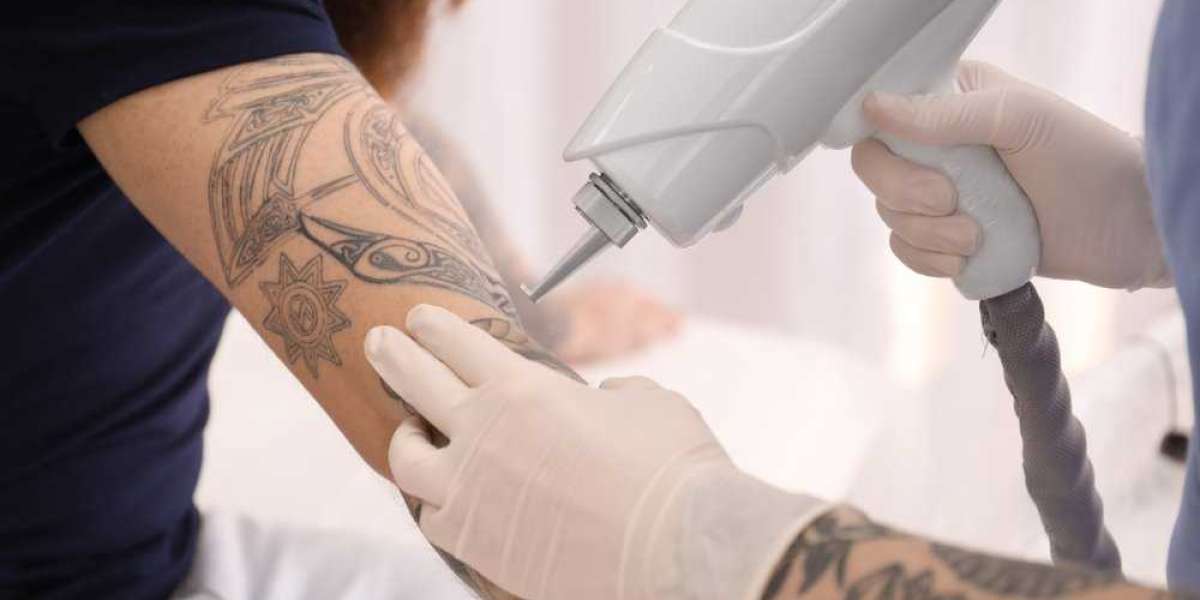
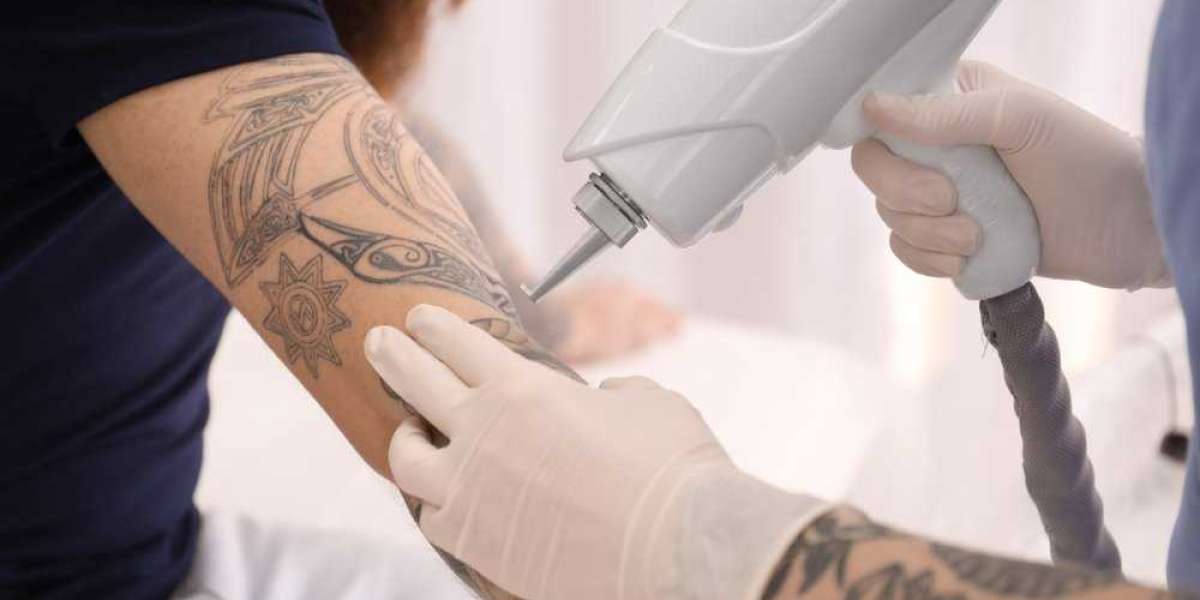
Laser tattoo removal works by targeting tattoo ink with concentrated light pulses. The laser is absorbed by the tattoo pigment, breaking it into smaller particles, which the body’s immune system gradually removes.
Melanin in the skin also absorbs laser energy, which can impact the procedure in several ways:
1. Fair Skin (Types I–III)
Effectiveness: Laser energy is primarily absorbed by the tattoo ink rather than the skin, making removal generally easier.
Fewer Sessions Needed: Tattoos often fade faster in lighter skin tones.
Lower Risk of Hyperpigmentation: Less chance of darkening or lightening of surrounding skin.
Fair-skinned individuals typically respond well to standard laser treatments and experience consistent results.
2. Olive and Medium Skin (Type IV)
Moderate Challenge: Melanin absorbs more laser energy than in fair skin, so laser settings must be adjusted.
Customized Treatment Required: Lower energy levels and longer intervals between sessions are often recommended to reduce skin irritation.
Slight Risk of Pigment Changes: Mild darkening or lightening of the surrounding skin can occur temporarily.
With careful laser calibration, medium-toned skin responds well, though more sessions may be needed than in fair skin.
3. Dark Skin (Types V–VI)
Higher Challenge: Darker skin contains more melanin, which competes with tattoo pigment for laser absorption.
Increased Risk of Side Effects: Hyperpigmentation (dark spots) or hypopigmentation (light spots) is more likely if treatment isn’t carefully adjusted.
Specialized Lasers Needed: Advanced lasers with longer wavelengths, such as Nd:YAG 1064 nm, are often preferred because they penetrate deeper while minimizing absorption by melanin.
More Sessions May Be Required: Tattoos may fade more slowly, especially if multi-colored.
Despite these challenges, dark-skinned individuals can achieve successful tattoo removal with careful planning and modern laser technology.
Other Skin Factors Affecting Removal Results
1. Skin Sensitivity
Individuals with highly sensitive skin may experience increased redness, swelling, or irritation after treatment. Cooling methods and gentler laser settings can help minimize discomfort.
2. Skin Texture
Thicker or scarred skin may require additional sessions for optimal ink removal.
Smooth skin generally allows more efficient laser penetration and faster fading.
3. History of Sun Exposure
Tanned skin can increase the risk of side effects because the melanin in the skin absorbs more laser energy.
It is recommended to avoid sun exposure before and after each session for better results.
How Treatments Are Adjusted Based on Skin Type
Laser specialists tailor treatments to individual skin types to maximize effectiveness and minimize risks. Adjustments include:
Laser Wavelength Selection: Longer wavelengths are used for darker skin tones.
Energy Levels: Reduced energy settings protect the skin while still targeting the tattoo ink.
Session Timing: Longer intervals between sessions allow the skin to heal properly.
Cooling Techniques: Cooling devices help reduce discomfort and prevent skin damage.
These adjustments ensure that all skin types can benefit from tattoo removal safely.
Recovery Tips for Different Skin Types
Regardless of skin type, following aftercare instructions is crucial to achieve the best results:
Keep the treated area clean and dry.
Avoid sun exposure or tanning for several weeks.
Apply recommended soothing ointments or creams.
Do not scratch or pick at the treated area.
Allow proper healing time between sessions.
For darker skin types, extra care should be taken to prevent hyperpigmentation by avoiding harsh skincare products or excessive sun exposure.
Expected Results
Results vary depending on tattoo color, age, ink density, and skin type:
Fair Skin: Often achieves faster and more predictable results.
Medium Skin: May require additional sessions but can achieve significant fading.
Dark Skin: Requires careful treatment planning but can also experience effective removal.
Even with challenges posed by skin type, most tattoos fade gradually over multiple sessions with proper technique.
FAQs About Tattoo Removal and Skin Type
1. Does skin type affect the number of sessions needed?
Yes. Darker skin types often require more sessions because melanin absorbs some laser energy, which can slow ink breakdown.
2. Can all skin types safely undergo laser tattoo removal?
Yes. Modern lasers are designed to treat all skin types, but treatments must be customized based on melanin levels and sensitivity.
3. Is there a risk of scarring for darker skin tones?
When performed correctly, the risk of scarring is low. Temporary changes in pigmentation are more common than permanent scars.
4. How long should I wait between sessions?
Typically 6–8 weeks to allow the body to remove broken ink particles and let the skin heal.