
How Obesity Affects Erectile Function in Men
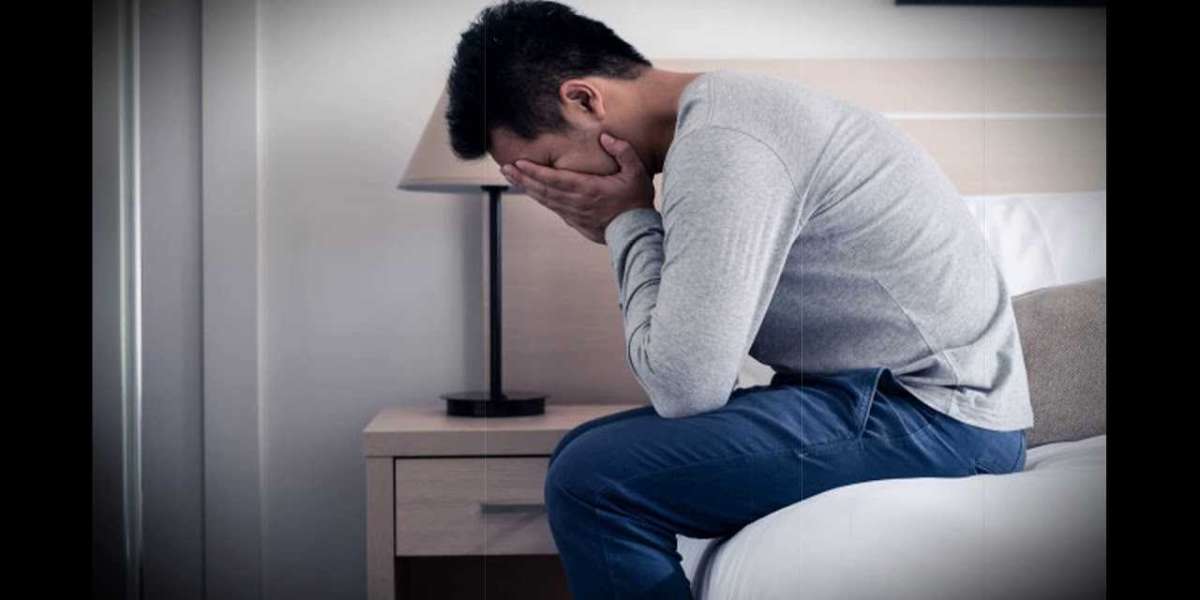
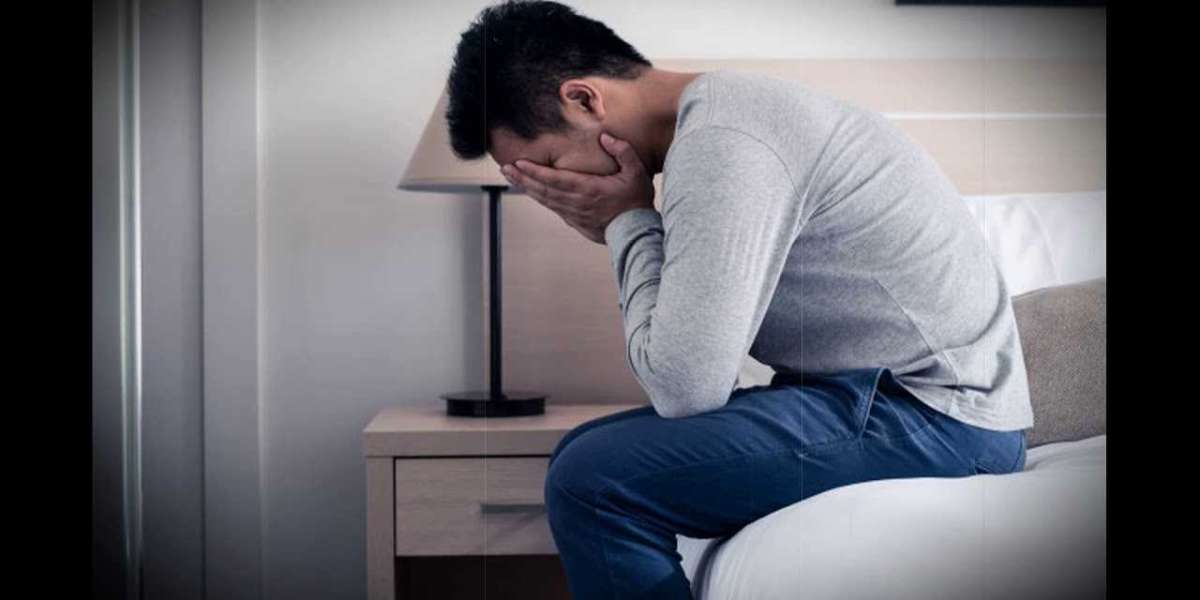
Obesity is one of the most significant and often underestimated risk factors for erectile dysfunction (ED). While many people associate erectile problems with aging or stress, excess body weight plays a direct and powerful role in reducing sexual performance in men. The relationship between obesity and male sexual health is complex, involving hormonal changes, reduced blood flow, psychological effects, and chronic health conditions.
Understanding how excess weight impacts erectile function can help men take proactive steps toward improving both their overall health and sexual wellbeing. Erectile dysfunction in Riyadh is becoming more openly discussed as awareness grows about its physical and psychological causes among men in the region, including factors like stress, lifestyle, and chronic health conditions.
Understanding the Link Between Obesity and Erectile Dysfunction
Obesity is not just a matter of appearance—it is a medical condition that affects nearly every system in the body. One of its major complications is its strong connection with Erectile Dysfunction, a condition where a man has difficulty achieving or maintaining an erection.
Erectile function depends on healthy blood circulation, balanced hormones, proper nerve function, and psychological wellbeing. Obesity disrupts all of these systems simultaneously, making it one of the most important modifiable causes of ED.
1. Hormonal Imbalance: The Testosterone Problem
One of the key ways obesity affects sexual health is through hormone disruption. Excess body fat, especially abdominal fat, increases the conversion of testosterone into estrogen. This leads to lower testosterone levels in men.
Low testosterone results in:
- Reduced sexual desire (libido)
- Poor erection quality
- Decreased energy levels
- Mood changes and fatigue
Since testosterone plays a central role in male sexual function, even a moderate hormonal imbalance can significantly impact performance.
2. Poor Blood Circulation and Vascular Damage
Healthy erections depend heavily on proper blood flow to the penile tissues. Obesity increases the risk of cardiovascular problems such as high blood pressure, atherosclerosis, and cholesterol buildup in the arteries.
When blood vessels become narrowed or damaged, it becomes difficult for enough blood to reach the penis during sexual arousal. This leads to weaker erections or complete erectile failure.
In many cases, erectile dysfunction is actually an early warning sign of underlying heart and vascular disease linked to obesity.
3. Insulin Resistance and Diabetes Risk
Obesity is a major risk factor for developing insulin resistance and type 2 diabetes. High blood sugar levels damage both blood vessels and nerves that are essential for normal erectile function.
Diabetes-related nerve damage can reduce sensation and interfere with the signals required for sexual arousal. Combined with poor circulation, this creates a strong biological link between obesity and ED.
4. Inflammation and Oxidative Stress
Excess fat tissue is not just inactive storage—it produces inflammatory chemicals that affect the entire body. Chronic inflammation damages blood vessels and reduces nitric oxide levels, which are essential for relaxing blood vessels during an erection.
This ongoing internal stress reduces the body’s ability to maintain healthy sexual function over time.
5. Psychological Effects of Obesity
Obesity does not only affect the body—it also impacts mental health. Many men experience low self-esteem, body image issues, and reduced confidence due to excess weight.
These psychological factors can lead to:
- Performance anxiety
- Reduced sexual desire
- Depression or emotional stress
- Avoidance of intimacy
Even when physical factors are present, psychological barriers can further worsen erectile dysfunction.
6. Reduced Physical Fitness and Energy Levels
A sedentary lifestyle often accompanies obesity. Lack of physical activity reduces stamina, cardiovascular health, and energy levels—all of which are important for sexual performance.
Men who are less physically active tend to experience:
- Lower endurance during sexual activity
- Slower recovery of erectile function
- Reduced overall vitality
Regular movement and exercise improve blood flow and hormone balance, both of which are essential for healthy erections.
The Vicious Cycle Between Obesity and ED
One of the biggest challenges is the cycle that develops between obesity and erectile dysfunction. Poor health leads to ED, and ED can reduce motivation for physical activity, further worsening weight gain and health outcomes.
This cycle can be difficult to break without lifestyle changes, but it is reversible in most cases with proper intervention.
Can Weight Loss Improve Erectile Function?
The positive side of this relationship is that obesity-related ED is often reversible. Even modest weight loss can lead to significant improvements in sexual health.
Benefits of weight loss include:
- Increased testosterone levels
- Improved blood circulation
- Better energy and stamina
- Reduced risk of diabetes and heart disease
- Enhanced confidence and mental wellbeing
Regular exercise, a balanced diet, and healthier daily habits can dramatically improve erectile function over time.
When to Seek Medical Help
If erectile dysfunction persists despite lifestyle improvements, it is important to seek medical advice. In some cases, obesity may have already caused underlying conditions that require treatment.
A healthcare professional can evaluate hormone levels, cardiovascular health, and metabolic factors to design a personalized treatment plan.
Conclusion
Obesity is a major but often overlooked contributor to erectile dysfunction in men. Through hormonal imbalance, poor circulation, inflammation, and psychological stress, excess weight significantly affects sexual performance and overall health.
The good news is that lifestyle changes can make a powerful difference. By managing weight, improving fitness, and adopting healthier habits, men can restore not only erectile function but also confidence, energy, and quality of life.