
Common Side Effects of Fat Dissolving Injections
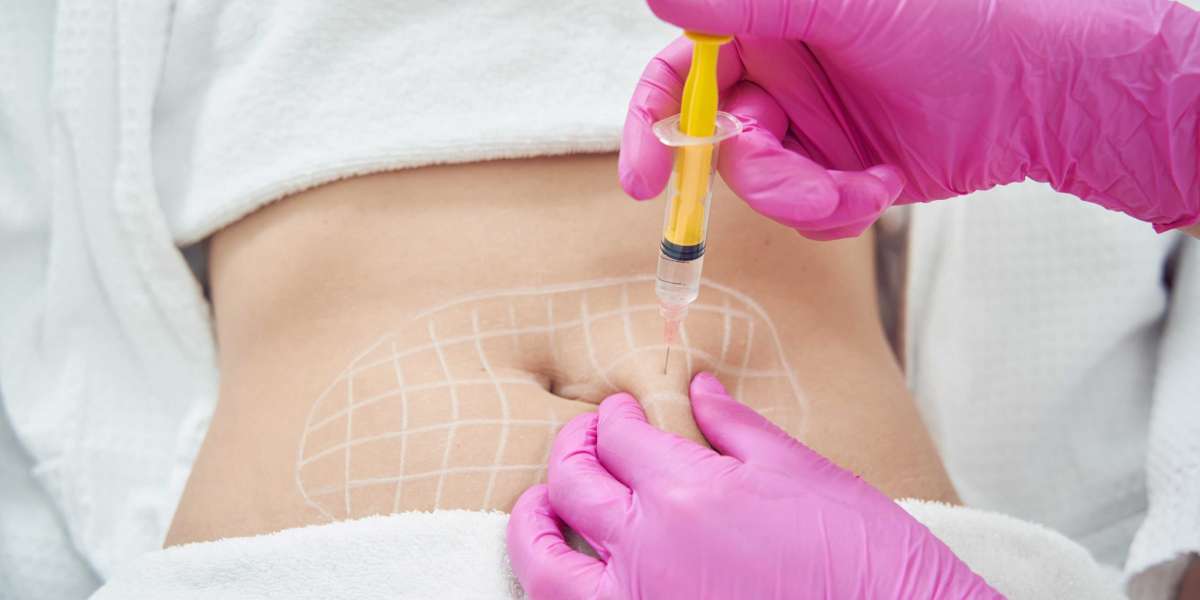
Fat dissolving injections, also known as lipolytic or fat melting injections, are widely used for non-surgical body contouring and reducing stubborn pockets of fat. While these treatments are considered relatively safe when performed by a qualified practitioner, they can still cause side effects. Most of these effects are temporary and part of the body’s natural response to the breakdown of fat cells. Understanding the common side effects helps patients prepare for the treatment and know what to expect during recovery. Fat melting injection in Riyadh is becoming an increasingly popular non-surgical option for targeted body contouring and reducing stubborn fat areas.
One of the most common side effects is swelling in the treated area. After fat dissolving injections, the body triggers an inflammatory response as it begins to break down fat cells. This leads to noticeable swelling, which can sometimes make the treated area look larger before it becomes smaller. Swelling is usually most prominent within the first few days and can last for one to two weeks depending on the area treated and the individual’s healing process.
Redness is another frequent side effect. The skin around the injection site may appear flushed or irritated immediately after the procedure. This is a normal reaction to the needle punctures and the injected solution. Redness typically fades within a few hours to a few days, although in some cases it may last slightly longer.
Bruising is also very common following fat dissolving injections. Since the treatment involves multiple small injections into the skin, tiny blood vessels can be affected. This can lead to mild to moderate bruising in the treated area. The severity of bruising varies from person to person and depends on factors such as skin sensitivity and whether blood-thinning medications or supplements are being used. Bruising usually resolves within one to two weeks.
Pain or tenderness in the treated area is another expected side effect. Many patients describe the sensation as soreness, similar to muscle pain after exercise. This discomfort is generally mild to moderate and can last for several days. Over-the-counter pain relief and cold compresses are often recommended to help manage this discomfort.
A burning or stinging sensation may also occur during or shortly after the injections. This is caused by the active ingredients interacting with the fat cells beneath the skin. While this sensation can feel uncomfortable, it is typically short-lived and subsides within a few hours after the procedure.
Hardness or firmness in the treated area is another common temporary effect. As fat cells break down and inflammation occurs, the area may feel lumpy or firm to the touch. This is part of the natural healing process and usually improves gradually over several weeks as the body clears the destroyed fat cells.
Itching can also occur as the skin heals. This is generally a mild symptom and is related to tissue repair and inflammation. Patients are usually advised not to scratch the area, as this can irritate the skin further and potentially slow down healing.
In some cases, mild numbness may be experienced in the treated area. This happens because the injections can temporarily affect small nerves in the skin. Numbness is usually temporary and resolves on its own within a few days or weeks.
Less commonly, patients may experience uneven results or slight asymmetry. This can occur if fat breakdown is not completely uniform across the treated area. In many cases, additional sessions or minor adjustments can help improve the final outcome. This is why proper technique and an experienced practitioner are very important.
Another rare side effect is prolonged swelling or inflammation. While most swelling resolves within a couple of weeks, some individuals may experience longer-lasting puffiness. This can be influenced by the body’s healing response, the treatment area, or the amount of fat being targeted.
In very rare cases, more serious complications such as infection or skin damage can occur. These risks are generally associated with poor hygiene, unqualified practitioners, or improper injection techniques. Symptoms of infection may include increasing pain, warmth, redness, or discharge from the injection site, and require immediate medical attention.
It is also important to note that some individuals may have allergic reactions to the ingredients used in fat dissolving injections. Although this is uncommon, symptoms may include rash, excessive swelling, or discomfort beyond the expected healing response. A proper consultation before treatment helps reduce this risk.
In conclusion, fat dissolving injections come with a range of common side effects, most of which are temporary and part of the normal healing process. Swelling, redness, bruising, tenderness, and firmness are the most frequently reported effects, while more serious complications are rare when the procedure is performed correctly. Understanding these side effects helps individuals make informed decisions and prepare for a smooth recovery while working toward their body contouring goals.