
Expected Results Timeline After a Hair Transplant
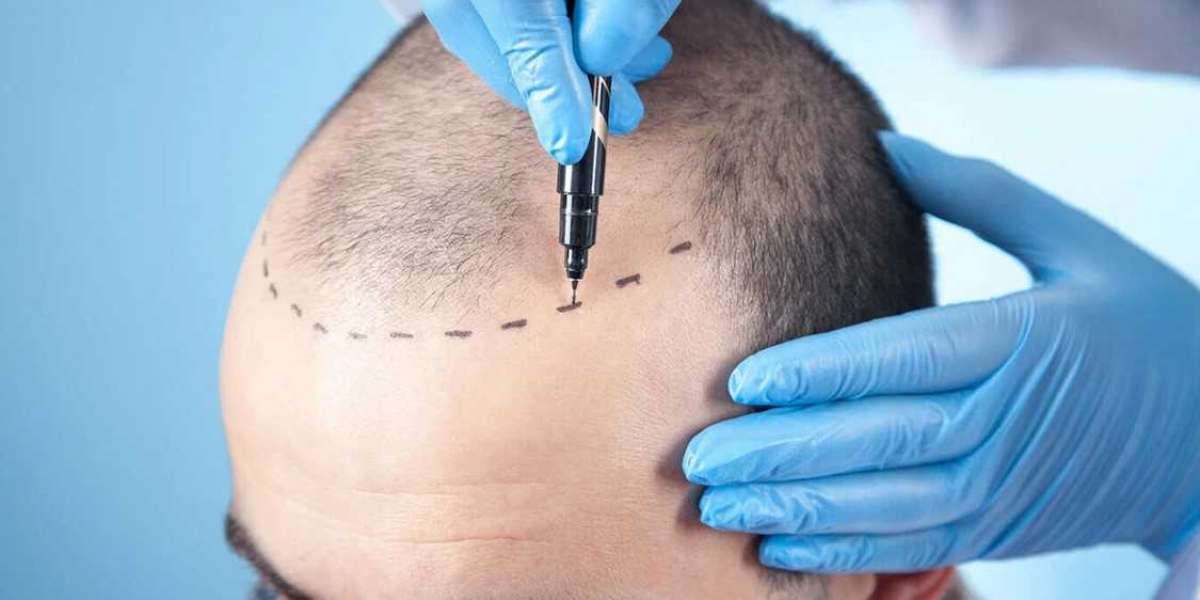
A hair transplant is a popular solution for people experiencing hair loss, offering a permanent way to restore hair density and improve confidence. However, understanding the expected results timeline is crucial for patients to set realistic expectations and achieve optimal outcomes. Hair growth after a transplant occurs gradually, and knowing the stages of recovery can help patients stay patient and maintain proper care throughout the process. Exploring the benefits of a hair transplant in Riyadh can help restore confidence and achieve natural-looking results.
Immediately After the Procedure
The first few days following a hair transplant are critical for graft survival. Whether the patient undergoes FUE (Follicular Unit Extraction) or FUT (Follicular Unit Transplantation), the scalp may show redness, swelling, and tiny scabs around the transplanted hair follicles.
- Days 1–3: Most patients experience minor discomfort, swelling, and tenderness in both donor and recipient areas. Pain medications and antibiotics prescribed by the surgeon help manage symptoms and prevent infection.
- Days 4–7: Scabs form around the transplanted grafts. It is important not to pick or scratch these scabs to avoid dislodging the follicles. Gentle washing with a mild shampoo is recommended to keep the scalp clean.
First Month: Shedding Phase
The first month after a hair transplant is often marked by the shedding of transplanted hair, known as shock loss.
- Weeks 2–4: Transplanted hairs may fall out, which can be alarming for some patients. This is a normal part of the hair growth cycle, as follicles enter a resting phase before producing new hair.
- Patients may also notice some itchiness or mild irritation, which is usually temporary and subsides as the scalp heals.
It is important to remember that shedding does not indicate transplant failure; the follicles remain healthy under the scalp and will begin to produce new hair in the following months.
Months 2–3: Early Growth Stage
During the second and third months, transplanted hair follicles start the anagen (growth) phase.
- Month 2: New hair may begin to appear as fine, thin strands. At this stage, growth is subtle and may be uneven. Patients should not expect full coverage yet.
- Month 3: Hair strands gradually thicken, and some density becomes noticeable. However, results are still preliminary, and patience is essential. Proper nutrition and gentle hair care during this period support healthy hair growth.
Months 4–6: Visible Hair Development
By the fourth to sixth month, most patients start noticing significant hair growth in the transplanted areas.
- Hair becomes denser and stronger, gradually improving the appearance of previously thinning or bald regions.
- The transplanted hair begins to blend with natural hair, and early styling is usually possible.
- Patients may still experience minor differences in hair texture or growth rate, which typically normalizes over time.
Months 7–9: Advanced Growth Stage
At this stage, transplanted hair achieves substantial density and length, giving a more natural and full appearance.
- Month 7–9: Hair continues to thicken and mature. By this time, most patients can see a significant improvement compared to their pre-transplant condition.
- Any minor irregularities in hair growth begin to even out, and patients can style their hair more freely.
This period is crucial for maintaining proper hair care, avoiding harsh chemical treatments, and protecting hair from excessive sun exposure or heat styling.
Months 10–12: Final Results
The final results of a hair transplant are usually visible between 10 and 12 months after the procedure.
- Transplanted hair is fully grown, thick, and permanent.
- Patients can enjoy natural hair density and style versatility similar to native hair.
- By the end of the first year, most surgeons evaluate the transplant outcome and recommend any minor touch-ups if needed.
Factors Affecting the Timeline
While the above timeline provides a general guideline, several factors can influence hair growth after a transplant:
- Patient Age: Younger patients often experience faster hair growth.
- Type of Procedure: FUE and FUT may have slightly different recovery patterns, with FUE generally having a quicker initial healing period.
- Health and Nutrition: Adequate protein, vitamins, and minerals support stronger hair growth.
- Post-Procedure Care: Following the surgeon’s aftercare instructions, such as avoiding scratching, sun exposure, and strenuous activity, plays a critical role in successful results.
- Hair Characteristics: Hair thickness, curl, and color can influence the visual density of the transplanted area.
Conclusion
Understanding the expected results timeline after a hair transplant helps patients set realistic expectations and stay motivated throughout the recovery process. From the initial healing phase and shedding stage to the gradual appearance of new hair and final results at 12 months, patience and proper care are essential for achieving the best outcomes. By following medical advice, maintaining a healthy lifestyle, and practicing gentle hair care, patients can enjoy long-lasting, natural-looking results that restore confidence and improve overall appearance.