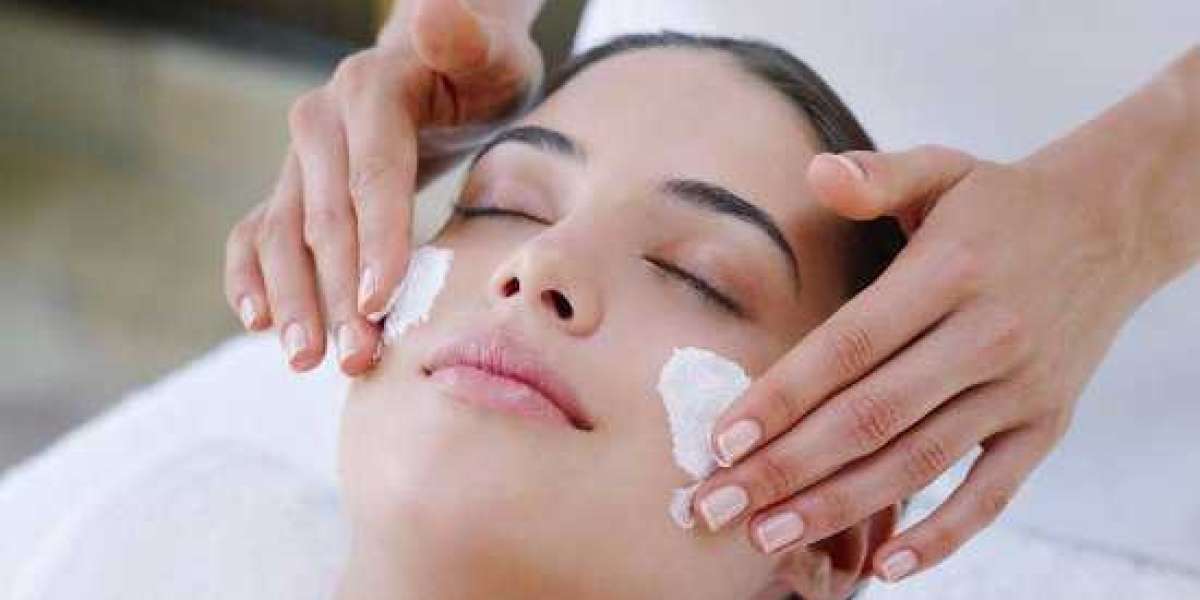

Hydrafacial has become one of the most popular non-invasive skincare treatments worldwide due to its ability to cleanse, exfoliate, extract impurities, and hydrate the skin in a single session. Its gentle approach and customizable serums make it appealing for a wide range of skin types and concerns. However, as with any cosmetic procedure, understanding the safety considerations is essential to ensure effective and risk-free results. Being informed about potential risks, contraindications, and post-treatment care allows individuals to make educated decisions about whether Hydrafacial is suitable for them. Hydrafacial in Riyadh offers a refreshing and non-invasive way to achieve glowing, hydrated, and rejuvenated skin.
First and foremost, Hydrafacial is generally considered safe for most skin types, including sensitive, dry, oily, and combination skin. Unlike more aggressive treatments like chemical peels or microdermabrasion, Hydrafacial uses a controlled vacuum-based exfoliation system and mild chemical solutions, which minimize the risk of irritation. The serums used during the procedure are formulated to be non-toxic and compatible with most skin types. Nevertheless, individuals with certain pre-existing conditions should exercise caution. People with active skin infections, open wounds, or severe eczema may need to delay the treatment until their skin has healed to prevent exacerbation of their condition.
Another important consideration is allergic reactions to serums or ingredients. Hydrafacial treatments typically incorporate serums containing hyaluronic acid, peptides, antioxidants, and mild acids. While these ingredients are generally safe, there is a small risk of skin sensitivity or allergic reactions, particularly in individuals with highly reactive skin or known allergies. To minimize this risk, certified practitioners often perform a patch test prior to the first session, ensuring that the skin does not react adversely. Patients should always inform their aesthetician about any known allergies or previous reactions to skincare products.
Pre-existing medical conditions and medications are also relevant safety considerations. Individuals who are using topical retinoids, prescription acne treatments, or blood-thinning medications should consult with a dermatologist before undergoing Hydrafacial. Certain medications can increase skin sensitivity, making it more prone to irritation or bruising during the treatment. Similarly, individuals with skin conditions such as rosacea or psoriasis may require a modified approach or specialized serums to avoid aggravating their symptoms. Consulting a healthcare professional ensures that the treatment is both safe and effective.
Proper sterilization and hygiene practices are critical for safety during Hydrafacial. The treatment involves contact with the skin through specialized tips and suction devices, which can pose a risk of infection if not properly sanitized. Reputable clinics in Riyadh and elsewhere adhere to strict sterilization protocols, using disposable tips and regularly disinfecting reusable equipment. Choosing a certified and experienced provider reduces the risk of bacterial contamination and ensures that the procedure is performed under hygienic conditions.
Post-treatment care is another key factor in maintaining safety and achieving optimal results. While Hydrafacial is gentle and typically does not cause significant downtime, the skin may be temporarily more sensitive to environmental factors, including sunlight, pollution, and extreme temperatures. It is essential to apply broad-spectrum sunscreen after the procedure and avoid harsh skincare products for at least 24 to 48 hours. Gentle moisturizers can help maintain hydration, and patients should avoid picking at the skin or undergoing other aggressive treatments immediately afterward. Following these guidelines minimizes the risk of irritation and ensures long-lasting benefits.
Additionally, individuals should consider treatment frequency and skin response. While Hydrafacial can be performed monthly for maintenance, overdoing the treatment can sometimes lead to temporary redness or mild irritation, particularly in sensitive skin. A skilled aesthetician will customize the treatment plan based on the patient’s skin type, age, and specific concerns, ensuring that the skin receives adequate time to recover between sessions.
Finally, while Hydrafacial is non-invasive and safe for most people, expectations should be realistic. It is effective for hydration, gentle exfoliation, pore cleansing, and improving skin texture, but it is not a substitute for more intensive dermatological procedures required for deep wrinkles, severe scarring, or advanced signs of aging. Understanding the limitations of the treatment prevents disappointment and helps patients make informed decisions about incorporating Hydrafacial into a broader skincare regimen.
In conclusion, Hydrafacial is a safe and effective cosmetic procedure when performed by trained professionals and combined with proper pre- and post-treatment care. Key safety considerations include evaluating skin conditions, potential allergies, pre-existing medical conditions, hygiene practices, and post-treatment care. By choosing certified providers, disclosing relevant health information, and adhering to recommended skincare protocols, individuals can enjoy the benefits of Hydrafacial with minimal risk. Its gentle approach, versatility, and minimal downtime make it a preferred choice for many seeking refreshed, hydrated, and healthier-looking skin.