
Erectile dysfunction (ED) is a condition defined by the persistent inability to achieve or maintain an erection sufficient for sexual activity. While it can result from various physical and psychological causes, obesity has emerged as a significant risk factor. With rising obesity rates worldwide, understanding how excess body weight impacts sexual health is increasingly important. Men need to recognize the link between obesity and erectile dysfunction to take preventive measures and improve both overall and sexual health. Many men seek information about erectile dysfunction in Riyadh to understand its causes and explore effective lifestyle and medical approaches.
The Connection Between Obesity and ED
Obesity affects erectile function through several interconnected mechanisms. One of the primary pathways is vascular health. Erections depend on sufficient blood flow to the penis, which requires healthy arteries and veins. Excess body fat, especially around the abdomen, contributes to atherosclerosis, a condition where arteries become narrowed and stiff due to plaque buildup. This restricts blood flow and makes it difficult to achieve or maintain an erection.
Additionally, obesity is strongly associated with cardiovascular disease, diabetes, and high blood pressure—all of which are known risk factors for erectile dysfunction. Men who are overweight or obese are more likely to have metabolic syndrome, a cluster of conditions including insulin resistance, high cholesterol, and elevated blood pressure, which further impairs vascular function and erectile capability.
Hormonal Imbalances in Obese Men
Obesity can also disrupt hormonal balance, particularly testosterone levels. Testosterone is essential for sexual desire, arousal, and erectile function. Excess fat tissue, especially visceral fat around the abdomen, can convert testosterone into estrogen through the action of an enzyme called aromatase. Lower testosterone levels reduce libido and contribute to erectile difficulties.
Obese men may also experience elevated levels of leptin, a hormone associated with fat storage, which can interfere with the signaling of sexual hormones. Furthermore, insulin resistance common in obesity can alter hormone function, compounding the risk of erectile dysfunction.
Psychological Factors
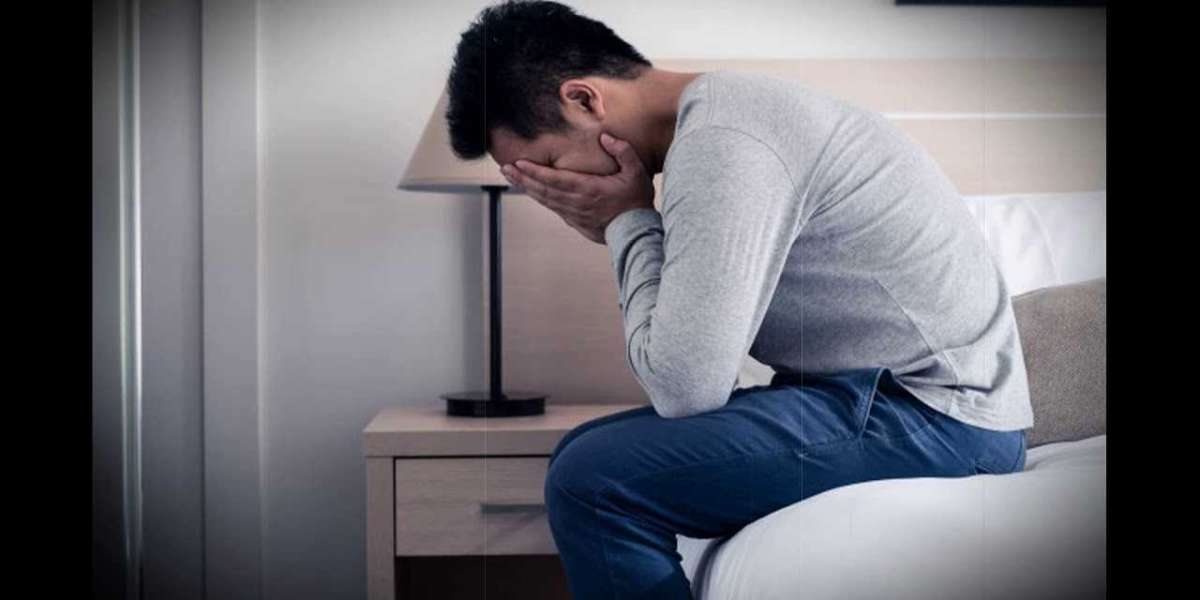
Obesity affects sexual health not only through physiological mechanisms but also psychologically. Men who are overweight may experience reduced self-esteem, body image issues, and anxiety, all of which can contribute to ED. Performance anxiety and negative perceptions of sexual attractiveness may create a cycle where psychological stress exacerbates physical erectile problems. Depression, which is more prevalent among men with obesity, also negatively impacts libido and sexual performance.
Lifestyle Factors and ED Risk
Certain lifestyle habits associated with obesity further increase the risk of erectile dysfunction. Physical inactivity leads to poor cardiovascular health and reduced blood flow. Poor diet, particularly one high in processed foods, sugar, and unhealthy fats, contributes to metabolic issues and obesity-related vascular damage. Smoking and excessive alcohol consumption, which are more common among individuals with unhealthy lifestyle patterns, also impair blood vessel function and reduce sexual performance.
Prevention and Management
Addressing obesity is key to preventing and managing erectile dysfunction. Weight loss, even modest reductions, can significantly improve erectile function. Shedding excess fat reduces inflammation, improves cardiovascular health, and enhances blood flow to the penis. Studies show that men who lose weight through diet and exercise often experience improved testosterone levels, increased sexual desire, and better erectile performance.
Regular physical activity is particularly beneficial. Aerobic exercises such as walking, swimming, or cycling improve vascular health, while strength training supports hormone balance by boosting testosterone levels. Combined with a balanced diet rich in vegetables, fruits, whole grains, and lean proteins, exercise provides a sustainable approach to improving both weight and sexual health.
Medical interventions may also be necessary in some cases. Medications for erectile dysfunction, such as phosphodiesterase type 5 (PDE5) inhibitors, can be effective in obese men, though results may be better when combined with lifestyle changes. Counseling or therapy can help address psychological contributors to ED, particularly anxiety and low self-esteem. In severe cases, bariatric surgery or other medical treatments for obesity may be recommended, which can lead to improvements in both erectile function and overall health.
Conclusion
Obesity and erectile dysfunction are closely linked through vascular, hormonal, and psychological mechanisms. Excess body weight increases the risk of cardiovascular disease, diabetes, and hormonal imbalances, all of which impair erectile function. Additionally, the psychological effects of obesity, including reduced self-esteem and anxiety, can further exacerbate sexual difficulties.
The good news is that lifestyle modifications, particularly weight loss, regular exercise, and a balanced diet, can significantly improve erectile function and overall health. Medical treatments, when necessary, can complement these changes to provide effective management of ED. Men who recognize the connection between obesity and erectile dysfunction and take proactive steps to address it are more likely to enjoy improved sexual health, greater confidence, and a higher quality of life.