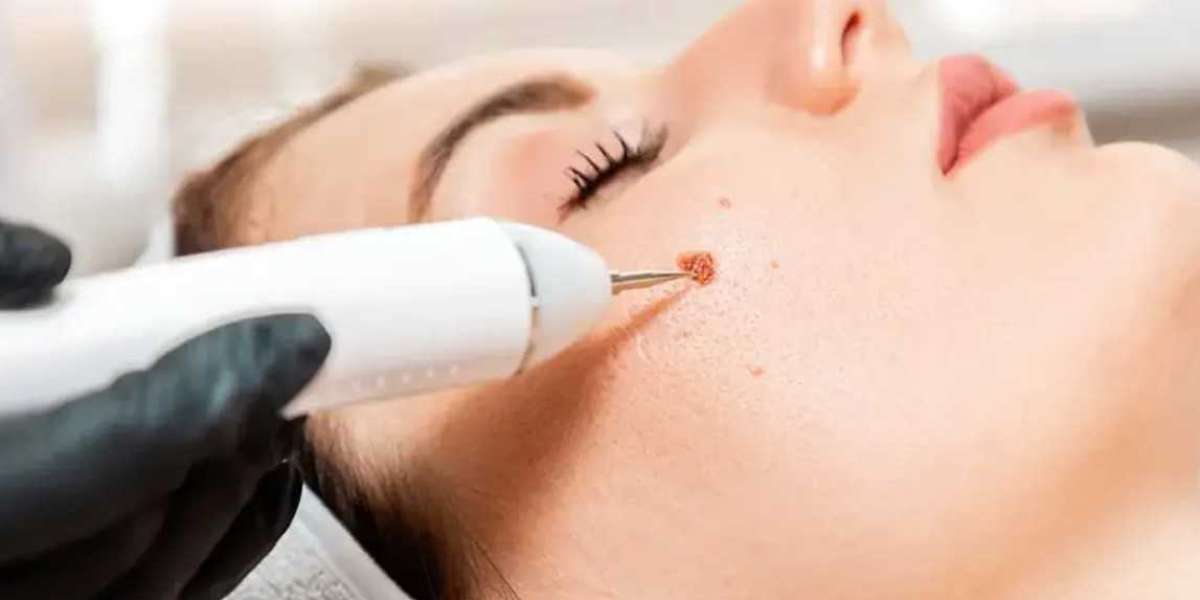

Recovering from mole removal in Riyadh is generally straightforward, but understanding the timeline and what to expect at each stage is crucial for proper healing and optimal results. The recovery process depends on several factors, including the type of mole removal performed, the size and location of the mole, and individual skin characteristics. Mole Removal in Riyadh is a popular dermatological procedure for safely enhancing skin appearance and addressing unwanted or suspicious moles.
Day of the Procedure
Immediately after mole removal, whether done through surgical excision, shave removal, or laser treatment, the treated area will usually be numbed with local anesthesia. Most procedures are outpatient and take anywhere from 10 minutes to an hour, depending on the mole’s size and complexity. Patients may notice mild bleeding or oozing immediately afterward, which is normal. The dermatologist typically covers the site with a sterile dressing or bandage to protect it from infection and reduce friction. Patients are advised to avoid touching or disturbing the area.
First 24 to 48 Hours
During the first one to two days, the primary focus is controlling swelling, redness, and minor discomfort. Slight swelling or tenderness is common, particularly after surgical excision. Using ice packs externally on the surrounding area (not directly on the wound) can help reduce swelling. Pain is generally mild and can be managed with over-the-counter pain relievers, as advised by your dermatologist. It’s important to keep the area dry and avoid strenuous activity that might cause friction or injury to the wound.
Days 3 to 7
During this period, the wound starts to form a protective scab, which is a natural part of the healing process. Patients may notice mild itching, which is a positive sign that the skin is repairing itself. Redness or slight discoloration around the site is normal and usually fades gradually. For surgical removal with stitches, follow-up visits may occur within this week to monitor healing or remove stitches if non-dissolvable ones were used. Keeping the area clean is critical to prevent infection. Most dermatologists recommend gentle cleansing with mild soap and water and applying any prescribed antibiotic ointments or healing creams.
Week 2
By the end of the second week, superficial healing is typically well underway. The scab may begin to fall off naturally, revealing new skin underneath. At this stage, the area might still be slightly pink or tender. For patients who had laser removal, the healing may be faster, with minimal scabbing and only slight redness. For surgical excisions, swelling should have significantly reduced, and the wound edges should start fusing together. Sun protection becomes important at this stage, especially in Riyadh’s sunny climate, as UV exposure can cause pigmentation changes in newly healed skin.
Weeks 3 to 4
In this period, most patients notice significant improvement in both comfort and appearance. Any remaining redness or swelling continues to diminish, and the skin texture begins to normalize. The site may still be slightly sensitive, especially when pressure is applied, but normal daily activities are usually possible. Laser-treated areas may already appear almost fully healed, while surgical sites might still have faint linear scars. Applying gentle moisturizers and using sunscreen over the area is essential to support proper skin regeneration.
Months 1 to 3
Complete recovery, especially for larger or deeper moles, may take several weeks to months. By this time, scabs are gone, stitches (if any) have been removed, and the new skin has matured. Redness or mild pigmentation changes may still be visible, particularly in darker skin tones or after sun exposure. Scars from surgical excisions typically fade gradually over several months. In some cases, dermatologists may recommend topical treatments or silicone gel sheets to minimize scar visibility.
Long-Term Healing
Even after the initial recovery, minor changes in skin texture or pigmentation can continue to improve for up to a year. For cosmetic reasons, patients sometimes opt for additional treatments, such as laser therapy or gentle chemical peels, to further enhance the appearance of the treated area. Follow-up appointments with a dermatologist are important, particularly if the mole was removed for medical reasons, to ensure no recurrence and that the surrounding skin remains healthy.
Factors Affecting Recovery
Several factors can influence the recovery timeline. The size, location, and depth of the mole are primary considerations; larger or deeper moles take longer to heal. Individual skin type, age, and overall health also play a role, as younger, healthier skin tends to regenerate faster. Following post-procedure instructions carefully, maintaining proper hygiene, and avoiding trauma to the area can significantly speed up recovery and improve cosmetic outcomes.
Key Tips for a Smooth Recovery
- Avoid scratching, picking, or rubbing the treated area.
- Keep the wound clean and follow any prescribed ointment regimen.
- Protect the area from direct sunlight using sunscreen or clothing.
- Attend follow-up appointments for stitch removal or monitoring.
- Report any signs of infection, such as excessive redness, swelling, or pus, to your dermatologist immediately.
In summary, the recovery timeline after mole removal in Riyadh generally ranges from a few days for minor laser procedures to several weeks for surgical excisions. Most patients can resume normal activities within a week, with complete healing and scar maturation occurring over several months. Proper aftercare, sun protection, and follow-up consultations are key to ensuring safe recovery and optimal results.