
Unwanted tattoos are no longer permanent marks thanks to modern removal techniques. Two of the most common methods are laser tattoo removal and surgical excision. Each approach has unique advantages, limitations, and suitability depending on factors like tattoo size, location, skin type, and desired outcomes. Understanding the differences between these methods can help individuals choose the most appropriate option for their situation. Many people are seeking safe and effective options for tattoo removal in Riyadh to restore clear, healthy skin.
Laser Tattoo Removal: How It Works
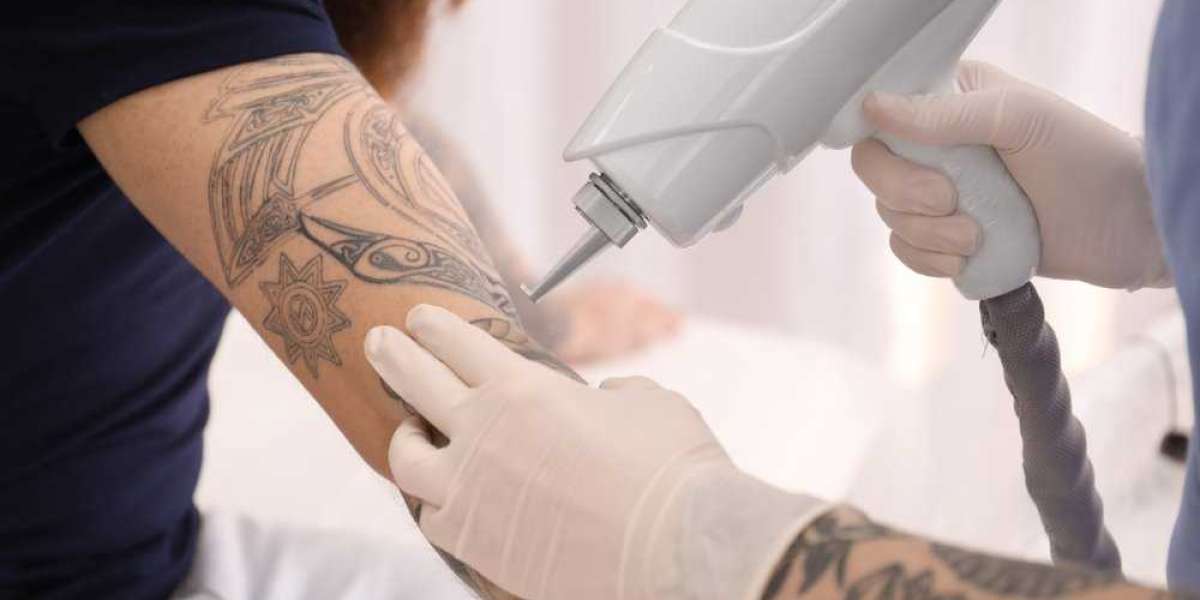
Laser tattoo removal is the most widely used method for eliminating tattoos. It involves targeting ink particles in the dermis with short, high-intensity pulses of light. These pulses break the pigment into smaller fragments, which the body’s immune system gradually clears. The process relies on selective photothermolysis, where specific laser wavelengths are chosen based on the color of the tattoo ink. Black ink absorbs most wavelengths efficiently, making it the easiest to remove, while lighter colors like yellow and green require specialized wavelengths and may be more resistant.
Laser removal is typically performed over multiple sessions, usually spaced six to eight weeks apart, to allow the skin to heal and the immune system to process fragmented ink. The number of sessions required depends on factors such as tattoo size, color, age, depth, and the patient’s skin type. Laser treatments are non-invasive, require no incisions, and generally minimize the risk of scarring when properly performed.
Surgical Tattoo Removal: How It Works
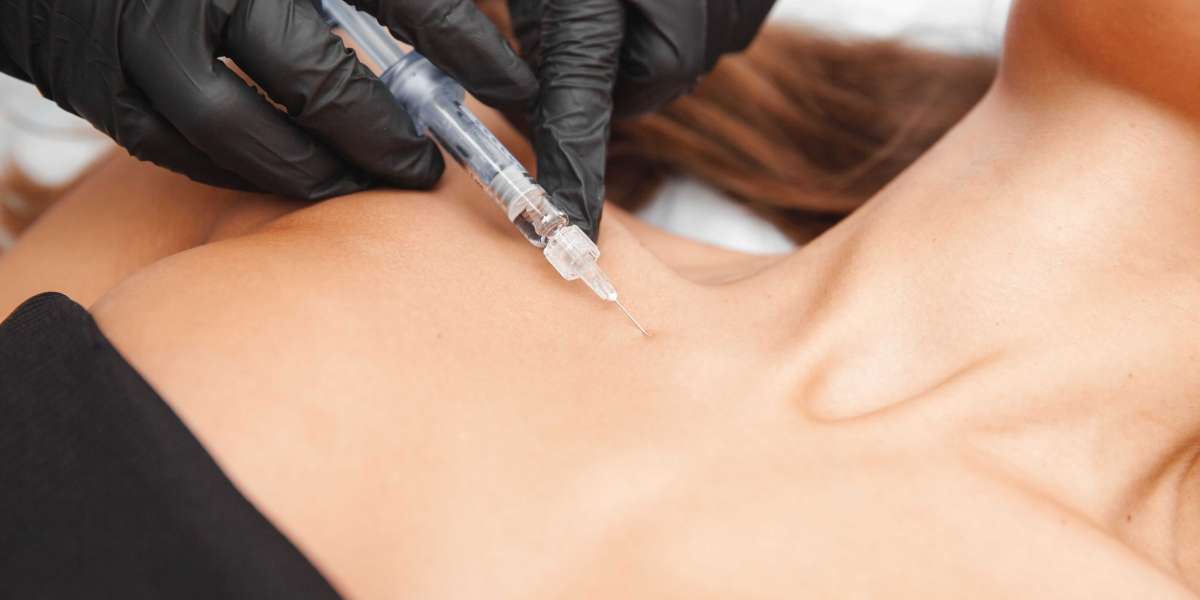
Surgical tattoo removal, also known as excision, involves physically cutting out the tattooed skin and stitching the remaining skin back together. This method is generally suitable for smaller tattoos because removing large areas of skin can lead to significant scarring or require complex reconstructive procedures. Surgical excision provides immediate results, as the tattoo is physically removed in a single procedure, rather than gradually fading over multiple sessions.
The procedure is performed under local anesthesia, ensuring that the patient feels minimal pain during surgery. After the excision, the wound is closed with sutures, and the area requires proper aftercare to prevent infection and promote optimal healing. While the procedure is highly effective for completely removing small tattoos, it is less suitable for larger or irregularly shaped tattoos due to the limitations of skin elasticity and potential for scarring.
Comparing Effectiveness
Effectiveness varies between the two methods depending on tattoo characteristics. Laser removal excels with larger, multicolored tattoos because it can be tailored to target each pigment separately. It is also the preferred choice for tattoos in sensitive areas where surgical excision would be difficult or risky. However, complete removal may take multiple sessions, and some faint remnants or ghost images may remain, particularly with light or fluorescent inks.
Surgical removal guarantees complete elimination of the tattoo in one procedure, making it highly effective for small tattoos. Unlike laser treatment, which may require patience and multiple appointments, excision delivers instant results. However, its effectiveness is limited by the size and location of the tattoo and the patient’s ability to heal without excessive scarring.
Pain and Discomfort
Laser tattoo removal typically causes mild to moderate discomfort, often described as snapping rubber bands or a stinging sensation. Topical anesthetics, cooling devices, and pain management strategies can reduce discomfort. Post-treatment tenderness, redness, and swelling are common but generally temporary.
Surgical removal involves a more invasive procedure, so local anesthesia is used to numb the area. Pain after surgery is usually managed with over-the-counter or prescription pain medication. Post-surgical discomfort may last longer than after a laser session due to the healing of incisions, but the tattoo is gone immediately.
Recovery and Aftercare
Laser removal requires careful aftercare after each session. Patients should keep the treated area clean, avoid sun exposure, and manage blistering or scabbing to prevent infection and promote healing. Recovery between sessions usually takes a few weeks.
Surgical removal involves a longer initial recovery period due to wound healing and suture care. The treated area may be tender for several days, and there is a higher risk of permanent scarring. Proper wound care, including cleaning, dressing changes, and sometimes antibiotic ointments, is essential to minimize complications.
Scarring and Cosmetic Outcome
Laser tattoo removal is generally less likely to cause permanent scarring, though temporary redness, swelling, or pigment changes may occur. With skilled application, most patients retain smooth skin after treatment.
Surgical excision, while effective for complete removal, almost always results in a scar at the site of the incision. The size and visibility of the scar depend on the tattoo size, location, and the skill of the surgeon. In some cases, scar revision procedures may be required to improve cosmetic outcomes.
Conclusion
Both laser tattoo removal and surgical excision offer effective ways to eliminate unwanted tattoos, but they serve different needs. Laser removal is best suited for larger, multicolored tattoos and patients seeking minimal scarring, though it requires multiple sessions and patience. Surgical removal is ideal for small tattoos where complete removal in a single procedure is desired, but it comes with the certainty of scarring and longer initial recovery. Choosing the right method depends on tattoo size, color, location, patient preferences, and tolerance for potential scarring. Consulting a qualified professional can help determine the safest and most effective approach for each individual.