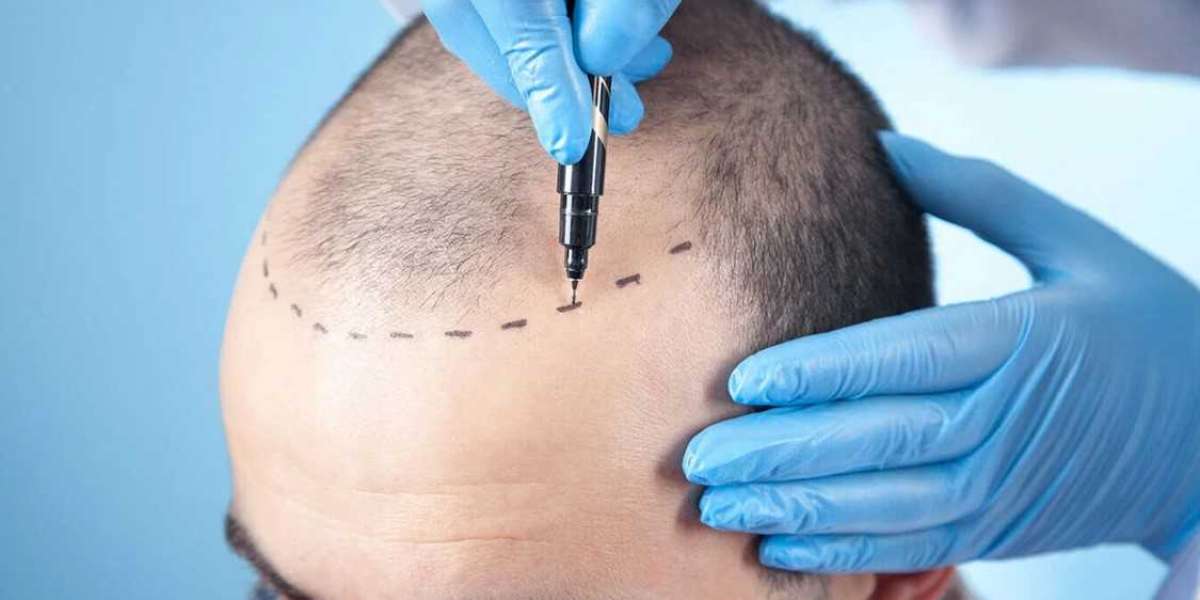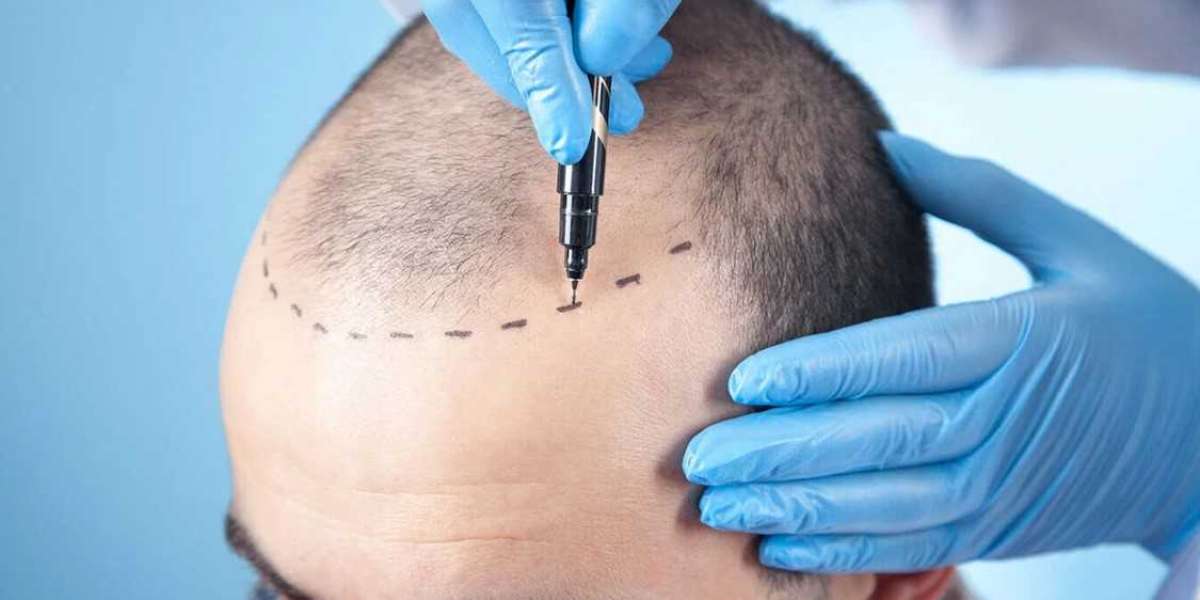

Hair transplantation has become one of the most sought‑after solutions for individuals dealing with hair thinning and baldness. In Dammam, Saudi Arabia, this trend mirrors global patterns, with increasing numbers seeking professional hair restoration procedures. However, understanding the cost of a hair transplant in this city requires looking beyond a simple price tag — it involves examining the range of prices offered, the variables that affect treatment costs, and the choices available to patients. Hair transplant in Dammam has become a popular solution for individuals looking to restore hair density and regain confidence.
Typical Price Range in Dammam
In Dammam, the cost of a hair transplant can vary significantly depending on the clinic and the extent of treatment needed. Most clinics quote prices starting around 7,999 SAR to 9,999 SAR for a standard procedure, but this is a base range and not representative of every case. Larger or more advanced procedures can exceed this range.
This variation means that two patients receiving what looks like the “same” procedure might pay very different total amounts — underlining the importance of personalized consultation and detailed pricing breakdowns.
It’s also worth noting that broader estimates seen in the region suggest that costs can reach anywhere from around 10,000 SAR up to 30,000 SAR or more in some practices, particularly for extensive coverage or premium services.
What Makes Up the Cost?
Hair transplant pricing isn’t just about the surgery itself. A number of distinct elements contribute to the total cost, and understanding each component helps patients make smarter decisions.
1. Number of Grafts Required
One of the biggest determinants of cost is the number of grafts needed to cover the balding or thinning areas. A graft refers to a unit of scalp tissue containing one to a few hair follicles. Patients with mild hair loss might only need a few thousand grafts, while more extensive baldness can require 4,000–5,000 or more. Because each graft requires meticulous extraction and implantation, the more grafts you need, the higher the price.
Clinics often price procedures based on graft ranges, meaning the cost per graft multiplies with total graft count. Larger transplant sessions also take more surgical time and resources, further increasing the procedure price.
2. Technique Used
Different hair transplant techniques carry different price points:
- FUE (Follicular Unit Extraction): A popular and minimally invasive option, typically less costly than premium methods but more expensive than basic strip surgery.
- FUT (Strip Method): Can be less expensive per graft but may involve additional surgical steps like suturing and longer healing.
- DHI (Direct Hair Implantation): A more advanced technique with precise control over implantation, often priced higher than standard FUE or FUT.
The choice of technique influences both the overall price and the long‑term aesthetic result, so it’s not purely a financial decision — it’s a clinical one too.
3. Clinic Reputation and Surgeon Expertise
Experienced surgeons with strong reputations or specialized training typically command higher fees. Clinics with well‑known hair restoration teams may also charge more because they invest in skilled personnel and advanced technology. The expertise of the surgeon can impact the naturalness of the hairline, graft survival rate, and overall success of the transplant — making reputation an important factor in real cost, not just price.
4. Additional Therapies and Equipment
Some clinics bundle adjunct treatments like PRP (Platelet‑Rich Plasma) therapy to stimulate graft growth or reduce healing time. Add‑ons like this increase the overall procedure cost even though they might improve results or recovery.
The use of advanced equipment, including robotic systems or premium implanter pens, may also be reflected in higher cost, as these tools often offer improved precision and outcomes at an increased operational expense.
5. Patient‑Specific Factors
Every patient’s situation is unique. Factors like hair type, hair density in the donor area, scalp condition, and overall health can influence the complexity of the surgery. Patients with coarse or curly hair might need more delicate handling and more grafts to achieve desired density, which affects cost. Likewise, if there are scalp conditions or previously failed transplants, treatment planning may require extra sessions or specialized care.
6. Pre‑ and Post‑Operative Care
Although not always highlighted, pre‑procedure assessments and post‑operative follow‑up visits, medications, and aftercare supplies are often part of the total cost. Some clinics include these in a package price, while others itemize them. It’s crucial to clarify what is and isn’t included in the initial quote.
Planning and Budgeting
Because hair transplant surgery is considered cosmetic, most health insurance plans do not cover it, meaning patients pay out‑of‑pocket. This underscores the importance of planning financially and understanding the full breakdown rather than focusing solely on the headline cost.
Many clinics in Dammam offer financing plans or installment options, making it easier for patients to manage the investment over time. However, it’s important to verify terms and total charges to avoid surprises.
Final Thoughts
In Dammam, hair transplant costs reflect a wide variety of factors — from the number of hair grafts needed to the technique chosen, surgeon experience, and the quality of pre‑ and post‑surgical care. While prices often start around 7,999 SAR to 9,999 SAR, the final cost can be significantly higher depending on individual needs and treatment complexity.
Choosing a clinic should involve more than comparing prices — it should also include evaluating credentials, past results, consultation quality, and transparency in pricing. With the right planning and a clear understanding of factors that influence cost, individuals can make informed decisions that balance financial considerations with quality outcomes and long‑term satisfaction.