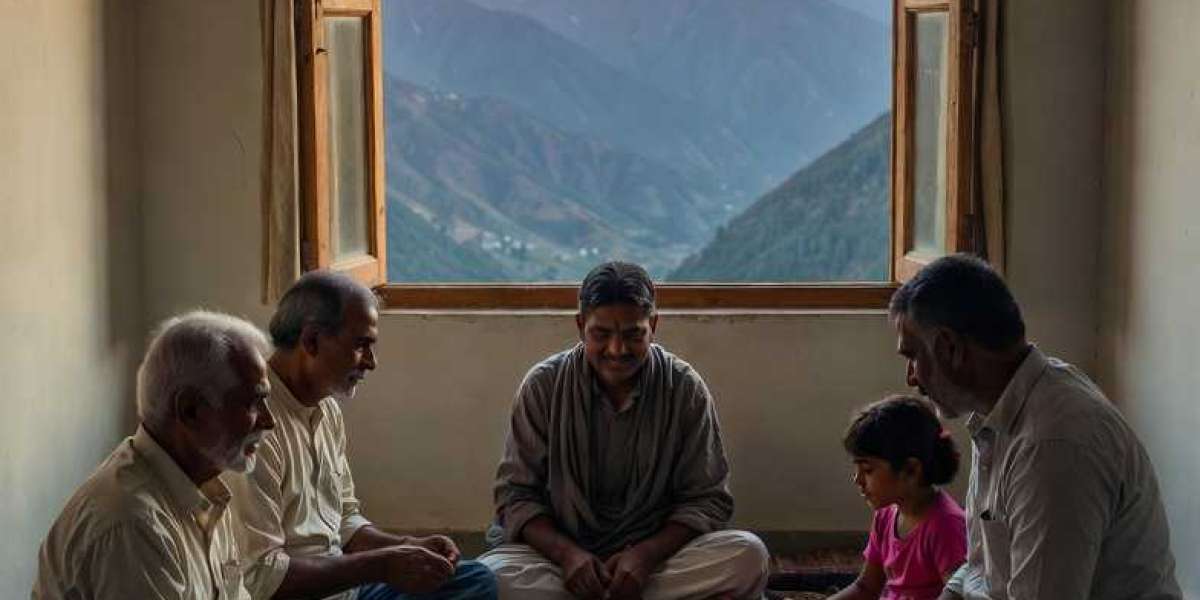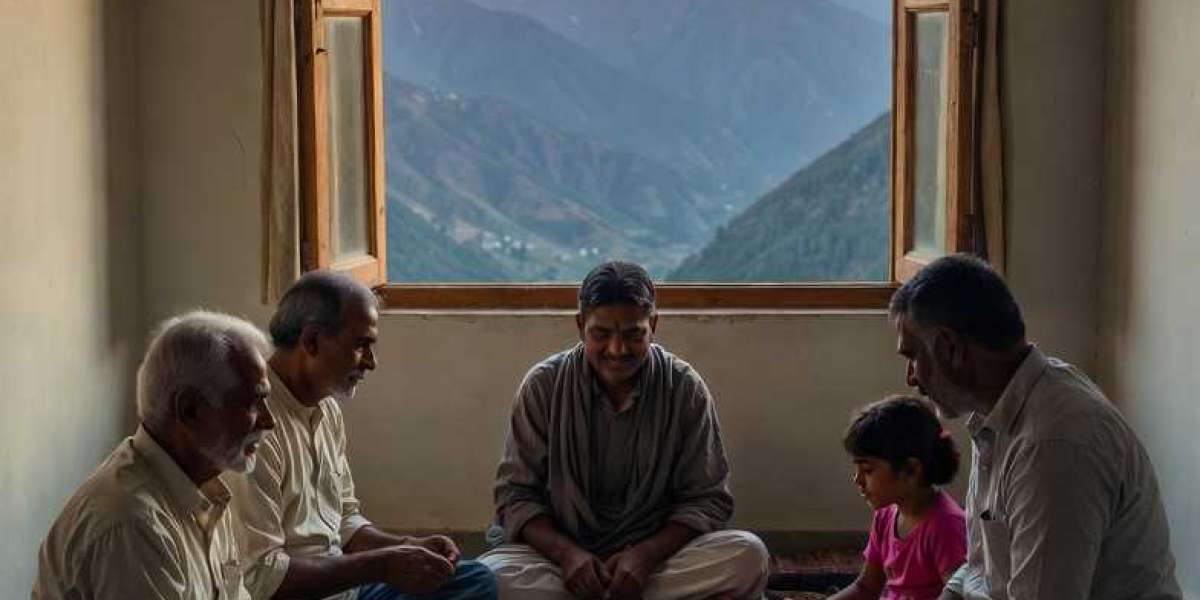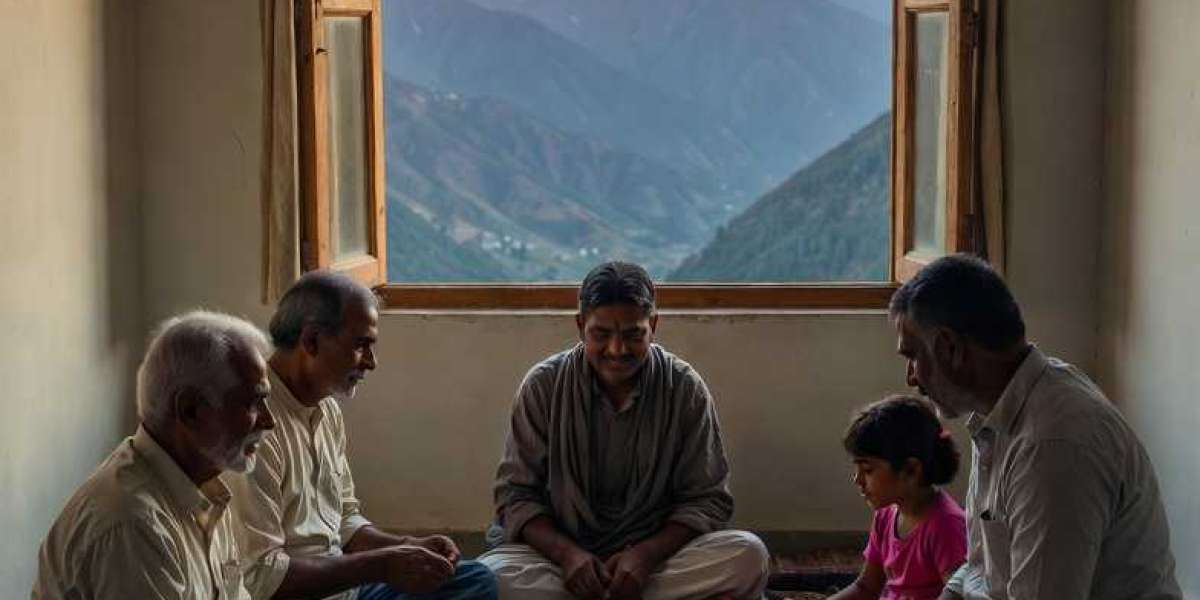

Yet, there is a common misconception that a pilgrimage to the Himalayas must be an expensive undertaking. Many devotees postpone their Yatra year after year, believing they cannot afford it. This is a myth that deserves to be dispelled.
With thoughtful planning, strategic choices, and a clear understanding of where to spend and where to save, a Char Dham Yatra on a Budget is not only possible but can be deeply fulfilling. This guide is designed to show you how to plan a cost-effective pilgrimage that honors both your devotion and your financial reality—without compromising on the essentials of safety, hygiene, and spiritual focus.
The Philosophy of Frugal Pilgrimage
In the Hindu tradition, pilgrimage has never been about opulence. The great sages and saints who walked these paths before us traveled with nothing but a water pot and unwavering faith. They stayed in simple dharamshalas, ate what was offered, and slept on the ground. Their wealth was not in their possessions but in their devotion.
While we live in different times and have different needs, the principle remains: the pilgrimage is about the heart, not the wallet. A simple, humble journey undertaken with sincere devotion is infinitely more valuable than a lavish trip undertaken without it.
A Char Dham Yatra on a Budget aligns with this ancient tradition. It strips away the unnecessary and focuses on what truly matters—the darshan, the prayers, the moments of connection with the divine.
Understanding the Costs: Where Does Your Money Go?
To plan a budget-friendly Yatra, you must first understand the typical cost breakdown of a Char Dham pilgrimage. This knowledge allows you to identify areas where you can save without compromising essential quality.
Major Cost Components
| Component | Percentage of Total Cost | Saving Potential |
|---|---|---|
| Transportation | 30-40% | High |
| Accommodation | 25-35% | High |
| Meals | 10-15% | Medium |
| Helicopter Services | 15-25% (if opted) | Very High |
| Guide and Support | 5-10% | Low to Medium |
| Miscellaneous (ponies, permits, etc.) | 5-10% | Medium |
Hidden Costs to Anticipate
Ponies and palanquins: For the Yamunotri and Kedarnath treks, if you choose not to walk.
Pooja materials: Offerings at temples.
Emergency expenses: Unexpected medical needs or vehicle breakdowns.
Tips: For drivers and guides (customary but not mandatory).
Understanding these components is the first step toward designing a Char Dham Yatra on a Budget that works for you.
Choosing the Right Time: Timing is Everything
The timing of your Yatra significantly impacts the overall cost. Peak season commands premium prices; off-peak periods offer substantial savings.
Peak Season (May-June)
Pros: Pleasant weather, all facilities operational.
Cons: Highest prices, crowded temples, long queues.
Cost Impact: Accommodation rates can be 30-50% higher than off-season.
Monsoon Season (July-August)
Pros: Lowest prices, fewer crowds.
Cons: Landslide risks, road closures, slippery trekking paths.
Cost Impact: Significant savings, but safety is a concern. Not recommended for families with elderly or children.
Autumn Season (September-October)
Pros: Pleasant weather, clear mountain views, thinner crowds than summer.
Cons: Some facilities begin to wind down toward October.
Cost Impact: Moderate pricing—lower than summer but higher than monsoon.
The Budget-Friendly Window
For a Char Dham Yatra on a Budget, the ideal time is late September to mid-October. The monsoon has ended, the skies are clear, the crowds have thinned, and prices are significantly lower than the summer peak. You can often find accommodation for 30-40% less than May rates.
Transportation: The Biggest Expense, The Biggest Savings
Transportation typically accounts for the largest portion of your Yatra budget. Here is how to optimize it.
Option 1: Group Travel
If you are traveling with family or friends, sharing a vehicle dramatically reduces per-person costs.
Sedan (4 persons): Economical for small families.
SUV (6-7 persons): Comfortable for larger groups, with per-person cost lower than sedans.
Tempo Traveller (10-12 persons): The most economical option for larger groups.
A well-planned Char Dham Yatra Tour Package designed for groups can offer significant per-person savings compared to individual bookings.
Option 2: Public Transport
For the truly budget-conscious, public transport is an option—though it requires more time and flexibility.
State Transport Buses: Uttarakhand Transport Corporation (UTC) operates buses from Haridwar and Dehradun to major towns like Barkot, Uttarkashi, Guptkashi, and Joshimath.
Shared Taxis: Available at major transit points, these are cheaper than private vehicles but require waiting for passengers to fill seats.
Cost Comparison: A private SUV for the full circuit might cost ₹60,000-₹80,000, while public transport for the same route could be under ₹15,000 per person.
Consideration: Public transport requires advance planning, patience with schedules, and the ability to carry your own luggage. It is best suited for solo travelers or small groups of able-bodied pilgrims.
Option 3: Train Travel to Base City
Instead of flying to Dehradun, consider taking a train to Haridwar or Rishikesh.
Train: Overnight trains from Delhi to Haridwar are comfortable and affordable, with fares starting from ₹500 for sleeper class.
Flight: Flights to Dehradun can cost ₹5,000-₹10,000 during peak season.
Savings: Choosing train travel can save you thousands of rupees per person.
Accommodation: Comfort Without the Luxury Price Tag
Where you stay is another major cost factor. The key is to prioritize cleanliness and safety over luxury.
Government Guesthouses (GMVN)
The Garhwal Mandal Vikas Nigam (GMVN) operates guesthouses and tourist rest houses at all key locations along the Yatra route.
Advantages: Affordable, clean, safe, and located conveniently.
Disadvantages: Basic amenities, no luxury, often require advance booking.
Cost: ₹800-₹2,500 per night depending on location and room type.
Dharamshalas and Ashrams
Many temples and religious organizations run dharamshalas (pilgrim rest houses) along the route.
Advantages: Extremely affordable (often ₹200-₹500 per night), spiritually charged atmosphere.
Disadvantages: Very basic facilities, shared bathrooms, limited privacy.
Best for: Devotees seeking a traditional pilgrimage experience.
Budget Hotels
Small, family-run hotels in towns like Barkot, Uttarkashi, and Guptkashi offer clean rooms with attached bathrooms at reasonable rates.
Advantages: Private facilities, more comfort than dharamshalas.
Disadvantages: Quality varies widely; requires careful selection.
Cost: ₹1,500-₹3,000 per night.
Tips for Affordable Accommodation
Book in Advance: Even budget accommodations fill up quickly during peak season.
Consider Staying a Few Kilometers Away: Properties slightly outside town centers are often cheaper.
Share Rooms: If traveling in a group, sharing rooms reduces per-person costs.
Look for Packages: A Char Dham Yatra on a Budget package often includes accommodation at negotiated rates lower than what you would pay booking independently.
Meals: Satvik, Simple, and Affordable
Food on the Char Dham route is traditionally vegetarian and Satvik (without onion or garlic). Fortunately, it is also reasonably priced.
Where to Eat
Hotel Meals: If your package includes meals, this is convenient. If not, eating at your hotel is usually affordable.
Local Dhabas: Small eateries along the route serve simple, hot meals at budget-friendly prices.
Lunch: ₹100-₹200 per person.
Dinner: ₹150-₹300 per person.
Self-Catering: Carrying dry snacks like biscuits, nuts, and energy bars can reduce the number of meals you need to purchase.
Meal Strategy for Budget Travel
Include Breakfast and Dinner: Book a Char Dham Yatra Tour Package that includes breakfast and dinner. These are the most expensive meals to buy separately.
Carry Snacks: Pack dry fruits, chikki, biscuits, and instant noodles. These tide you over during long drives and treks.
Stay Hydrated: Carry a reusable water bottle. Many hotels and dhabas provide free drinking water. Avoid buying multiple plastic bottles.
Helicopter Services: To Fly or Not to Fly?
The helicopter service to Kedarnath is one of the biggest cost variables in a Char Dham Yatra.
Cost of Helicopter
One-way: ₹6,000-₹8,000 per person
Round trip: ₹12,000-₹15,000 per person
When to Consider Helicopter
Senior citizens or those with physical limitations
Pilgrims with medical conditions that make trekking risky
Time-constrained travelers who need to complete the Yatra quickly
When to Skip Helicopter
If you are physically fit and enjoy trekking
If you are traveling on a tight budget
If you have the time to acclimatize properly
The Budget Alternative: Trekking
The 16-kilometer trek from Gaurikund to Kedarnath is challenging but deeply rewarding. Walking this path—the same path taken by countless pilgrims before you—is an act of devotion in itself.
Cost: Free (or minimal if you hire a pony or porter)
Time: 6-9 hours each way
Experience: Unforgettable
For a Char Dham Yatra on a Budget, choosing to trek rather than fly can save you ₹12,000-₹15,000 per person.
Pony and Palanquin Services: Budget Wisely
For the Yamunotri trek (6 km each way) and the Kedarnath trek (16 km each way), you may choose to hire a pony or palanquin.
Typical Costs
Pony (Yamunotri): ₹2,000-₹3,000 round trip
Palanquin/Doli (Yamunotri): ₹3,000-₹5,000 round trip
Pony (Kedarnath): ₹4,000-₹6,000 round trip
Palanquin/Doli (Kedarnath): ₹8,000-₹12,000 round trip
Budget Tips
Share: If multiple people in your group need support, negotiate for group rates.
Walk Partially: Consider walking the easier stretches and hiring only for the steepest sections.
Build Your Fitness: With advance preparation, many pilgrims find they can walk these distances without assistance, saving thousands.
Group Travel: The Power of Numbers
Traveling in a group is one of the most effective ways to reduce costs without compromising quality.
Group Savings Opportunities
Transportation: A Tempo Traveller costs the same whether it carries 8 or 12 people. More people = lower per-person cost.
Accommodation: Hotels offer better rates for group bookings.
Pony and Palanquin: Operators offer discounted rates for groups.
Guide Services: The cost of a guide is spread across the group.
Organizing Your Group
Travel with extended family
Coordinate with members of your local temple or community
Join a pre-formed group through a reputable Char Dham Yatra Tour Package provider
Essential vs. Optional: Where to Spend and Where to Save
A successful budget pilgrimage distinguishes between essential expenditures and optional luxuries.
Essential: Do Not Compromise Here
Safe, reliable transportation: A poorly maintained vehicle in the mountains is a risk you cannot afford.
Clean, hygienic accommodation: Your health depends on it.
Experienced driver: Mountain roads demand expertise.
Basic medical preparedness: First aid and oxygen are non-negotiable.
Yatra registration: Mandatory and essential for safety.
Optional: Save Here
Luxury hotels: Basic, clean hotels are sufficient.
Excessive shopping: Limit souvenirs and unnecessary purchases.
Frequent pony hire: Walk where you can.
Premium meals: Simple, Satvik food nourishes the body and the soul.
Air travel to base city: Train travel is a viable alternative.
Booking a Budget-Friendly Package
The most straightforward way to achieve a Char Dham Yatra on a Budget is to book a thoughtfully designed package that balances cost with essential quality.
What to Look For
Transparent pricing: Clear breakdown of inclusions and exclusions.
Group options: Operators offering group discounts.
Customizable packages: Ability to add or remove services (like helicopter) based on your needs.
Early bird discounts: Booking early can save 5-15%.
What to Avoid
Unrealistically low prices: If a deal seems too good to be true, it probably is. Extremely cheap packages often cut corners on safety, vehicle quality, or accommodation hygiene.
Hidden charges: Ask about taxes, driver allowances, and permit fees upfront.
Sample Budget Breakdown: A 10-Day Char Dham Yatra for a Family of Four
Let us look at a realistic budget for a family of four traveling during the autumn season with a shared vehicle and comfortable but not luxury accommodations.
| Expense | Details | Cost (₹) |
|---|---|---|
| Transportation | SUV for 10 days (fuel, driver, tolls) | 70,000 |
| Accommodation | 9 nights (budget hotels, 2 rooms) | 36,000 |
| Meals | Breakfast and dinner included, lunch on own | 15,000 |
| Ponies | For Yamunotri and Kedarnath (optional) | 20,000 |
| Guide | Shared guide for the group | 8,000 |
| Miscellaneous | Pooja materials, snacks, tips | 10,000 |
| Total | ₹1,59,000 | |
| Per Person | ₹39,750 |
With strategic savings—such as trekking instead of hiring ponies, opting for a Tempo Traveller with a larger group, or choosing dharamshala accommodation—this per-person cost can be reduced to ₹25,000-₹30,000.
The Emotional Wealth of a Simple Pilgrimage
There is a profound beauty in a simple, humble pilgrimage. When you strip away the layers of luxury, what remains is pure devotion.
Walking the path to Kedarnath with your own feet, stopping at small dhabas for a simple meal of dal and roti, sleeping in a basic room where the only luxury is the view of the stars—these experiences connect you to the generations of pilgrims who walked before you. You realize that they came with nothing but faith, and they returned with everything.
A Char Dham Yatra on a Budget is not a compromise; it is a return to the essence of pilgrimage. It reminds you that the true wealth you carry is in your heart, not in your wallet.
Conclusion
The Char Dham Yatra is a sacred calling that should not be deferred because of financial constraints. With thoughtful planning, strategic choices, and a focus on what truly matters, a meaningful, safe, and comfortable pilgrimage is within reach.
Choose your timing wisely. Travel with a group to share costs. Prioritize safety and hygiene over luxury. Walk where you can. Eat simple, Satvik meals. And above all, let your devotion be your guide.
When you stand before the deities of Yamunotri, Gangotri, Kedarnath, and Badrinath, they will not ask how much you spent to get there. They will look only at the sincerity in your heart. And if you have come with faith, you will leave with blessings that no amount of money could ever buy.
Har Har Mahadev!
Frequently Asked Questions (FAQs)
1. What is the most cost-effective way to complete the Char Dham Yatra?
The most cost-effective approach is to travel in a group of 10-12 people, share a Tempo Traveller, stay in GMVN guesthouses or dharamshalas, and trek to Kedarnath instead of taking a helicopter. Booking during the autumn season (September-October) also yields significant savings compared to peak summer rates. A well-planned Char Dham Yatra Tour Package designed for groups can further optimize costs.
2. Is it safe to choose a budget Char Dham Yatra package?
Safety and budget are not mutually exclusive. A budget-friendly package can still be safe if you choose a reputable operator with experienced drivers, well-maintained vehicles, and a clear safety protocol. The key is to avoid extremely cheap packages that cut corners on essential services. Always verify the operator's credentials and read reviews from past pilgrims.
3. How much can I save by opting for a Do Dham Yatra instead of Char Dham?
A Do Dham Yatra (typically Kedarnath and Badrinath) costs approximately 30-40% less than a full Char Dham circuit because you reduce transportation, accommodation, and time. For pilgrims with limited time or budget, or for those who have already completed the full circuit previously, Do Dham is an excellent option.
4. Can I do the Char Dham Yatra without booking a package?
Yes, independent travel is possible and can be more economical, especially for solo travelers or those with extensive experience in Himalayan travel. However, it requires significant advance research, flexibility with schedules, and the ability to navigate public transport and last-minute accommodation. For most pilgrims, especially families and first-timers, a Char Dham Yatra Tour Package offers better value and peace of mind.
5. Are there any government subsidies or assistance for pilgrims on a tight budget?
The Uttarakhand government, through GMVN, offers affordable accommodation options at all key stops. Additionally, some temples and religious organizations provide free or extremely low-cost meals (langar) and accommodation for pilgrims. The Char Dham registration system also helps authorities provide support in case of emergencies. It is advisable to inquire at your local temple about any organized group Yatras with subsidized rates.