
Botox and dermal fillers are two of the most popular non-surgical cosmetic treatments used to reduce signs of aging and enhance facial appearance. Although they are often mentioned together and sometimes used in combination, they work in very different ways and are designed to treat different types of concerns. Understanding the difference between Botox and fillers can help individuals choose the most suitable option for their needs. Botox in Riyadh is becoming an increasingly popular choice for individuals seeking non-surgical facial rejuvenation and a more youthful appearance.
Botox is a purified form of botulinum toxin type A. It works by temporarily relaxing the muscles that cause wrinkles. These wrinkles, known as dynamic wrinkles, form as a result of repeated facial expressions such as smiling, frowning, or squinting. Common areas treated with Botox include forehead lines, frown lines between the eyebrows, and crow’s feet around the eyes. By blocking the nerve signals that tell muscles to contract, Botox reduces muscle activity, allowing the skin to appear smoother and less wrinkled.
In contrast, dermal fillers do not affect muscle movement at all. Instead, they are substances that are injected beneath the skin to add volume, fill in lines, and enhance facial contours. Most fillers are made from hyaluronic acid, a substance that naturally occurs in the body and helps maintain hydration and plumpness in the skin. Fillers are typically used to treat static wrinkles, which are visible even when the face is at rest. These include lines around the mouth (nasolabial folds), marionette lines, and areas where volume loss has occurred, such as the cheeks or lips.
One of the key differences between Botox and fillers is their purpose. Botox is best suited for reducing wrinkles caused by muscle movement, while fillers are ideal for restoring lost volume and smoothing deeper lines. For example, if someone has fine lines on the forehead that appear when they raise their eyebrows, Botox would be the appropriate treatment. On the other hand, if someone has hollow cheeks or deep folds around the mouth, fillers would be more effective.
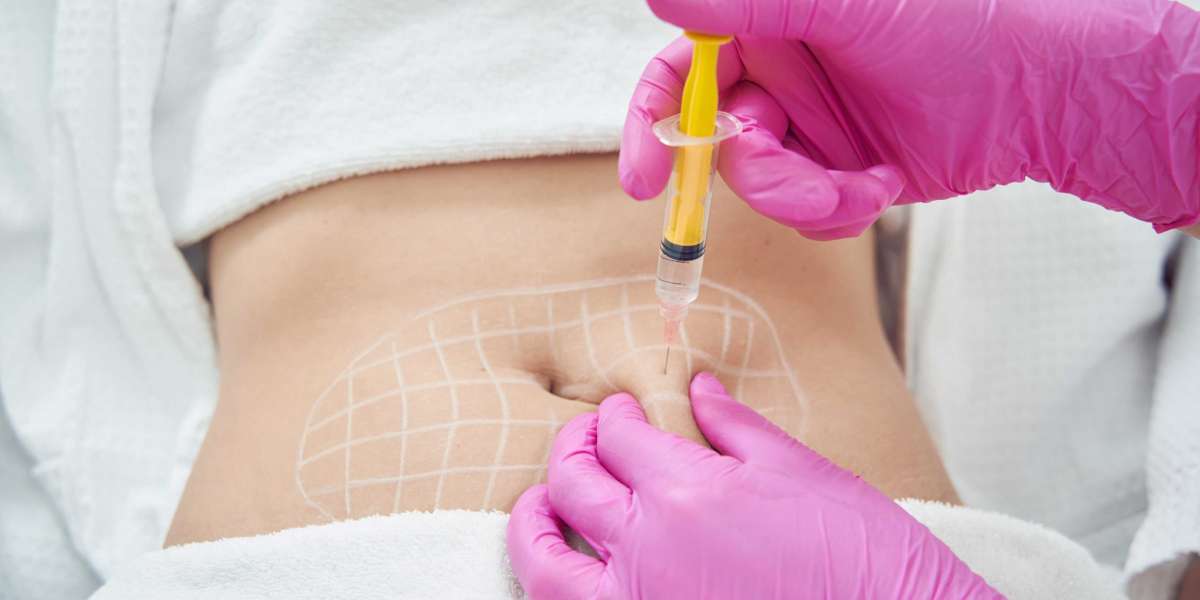
The treatment process for both Botox and fillers is relatively quick and minimally invasive. Botox injections usually take about 10 to 20 minutes, while filler treatments may take slightly longer depending on the areas being treated. Both procedures involve the use of fine needles, and while some mild discomfort may be felt, it is generally well tolerated. Numbing creams are often used for fillers, especially in more sensitive areas like the lips.
Another important difference lies in how quickly results appear. Botox does not produce immediate results. It typically takes a few days to start working, with full effects visible within one to two weeks. Fillers, on the other hand, provide immediate results. As soon as the filler is injected, the treated area appears fuller and smoother, although minor swelling may temporarily affect the final appearance.
The duration of results also varies between the two treatments. Botox results generally last between three to six months, after which the muscle activity gradually returns and wrinkles may reappear. Dermal fillers tend to last longer, often between six months to two years, depending on the type of filler used, the area treated, and the individual’s metabolism.
Side effects for both treatments are usually mild and temporary. With Botox, common side effects include slight redness, swelling, or bruising at the injection site. In rare cases, there may be temporary drooping of nearby muscles if the product spreads beyond the intended area. Fillers can also cause swelling, bruising, or tenderness, and in some cases, small lumps may form under the skin. Serious complications are uncommon but highlight the importance of choosing a qualified and experienced practitioner.
Cost is another factor that differs between Botox and fillers. Botox is usually priced per unit, and the total cost depends on how many units are required. Fillers are typically priced per syringe, and the cost can vary based on the type of filler and the amount needed to achieve the desired result. In many cases, fillers are more expensive upfront, but their longer-lasting results may make them cost-effective over time.
In practice, Botox and fillers are often used together to achieve comprehensive facial rejuvenation. For example, Botox can be used to smooth forehead lines and crow’s feet, while fillers can restore volume to the cheeks and lips. This combination approach allows for a more balanced and natural-looking result.
In conclusion, Botox and dermal fillers are both effective cosmetic treatments, but they serve different purposes. Botox works by relaxing muscles to reduce dynamic wrinkles, while fillers add volume to smooth static lines and enhance facial features. Understanding these differences is essential for making informed decisions and achieving the best possible aesthetic outcomes.