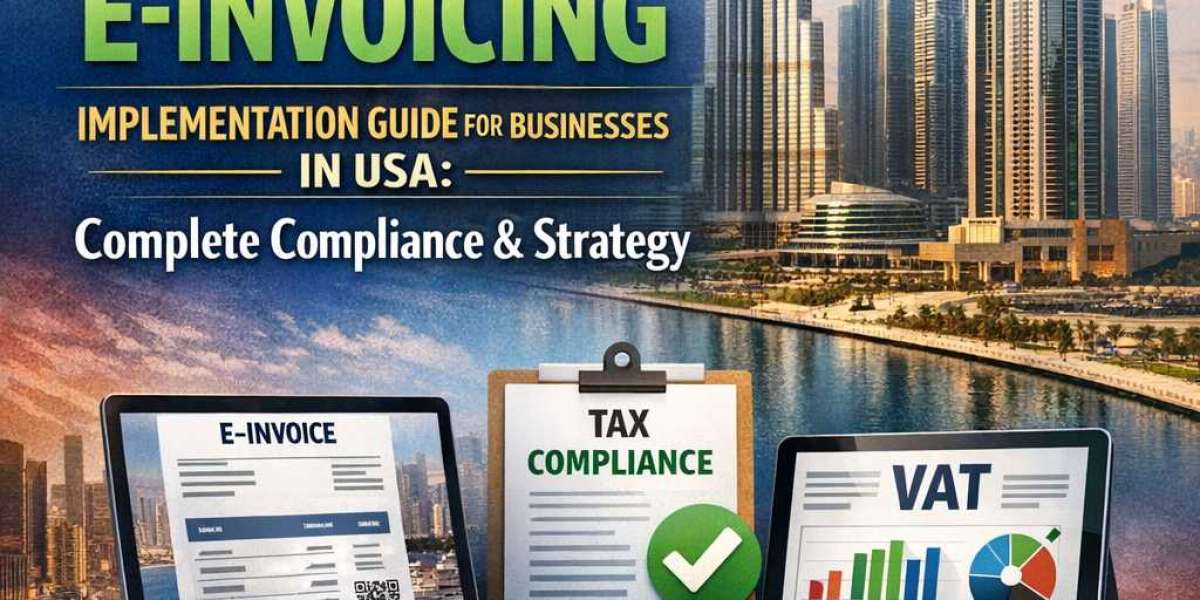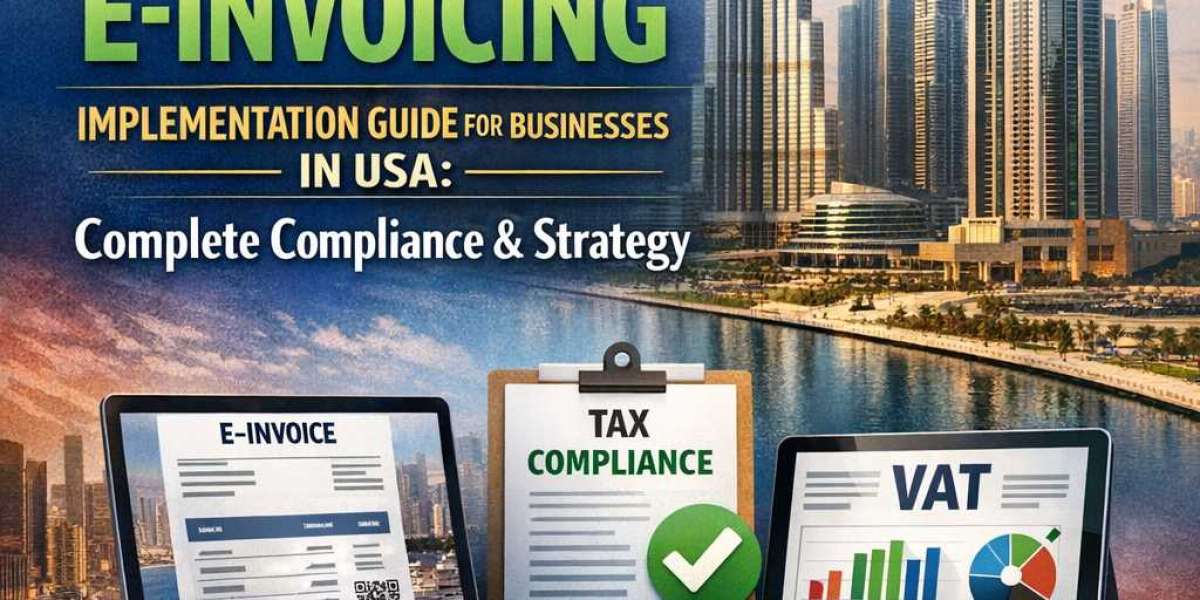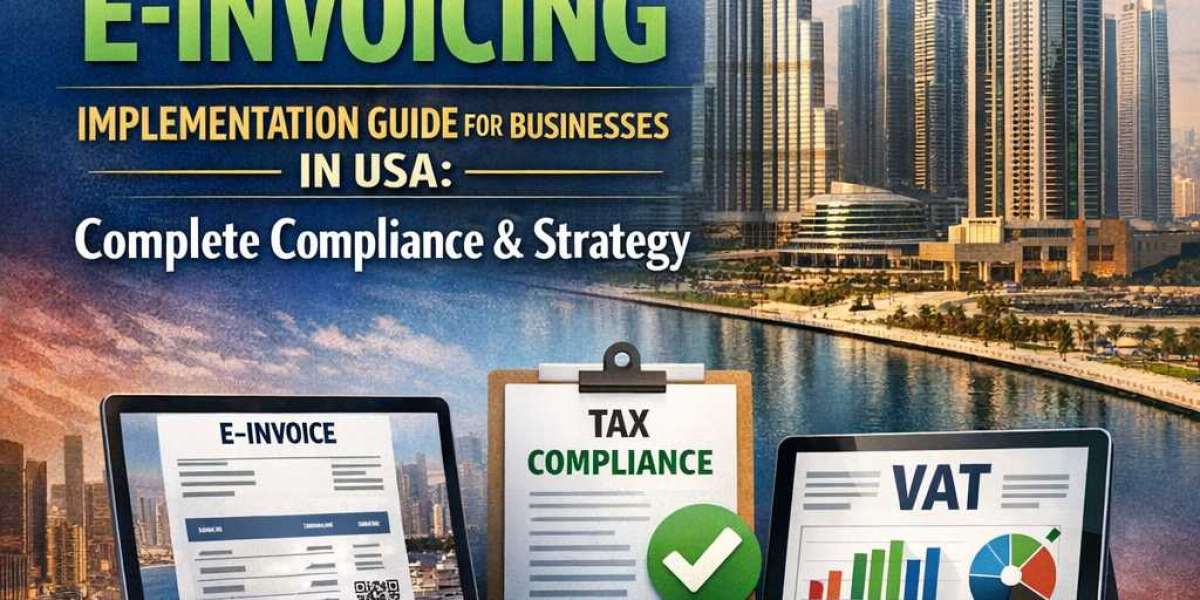

The food and beverage sector in the UAE is rapidly evolving with digital transformation becoming a core part of operations. One of the most important changes businesses must adapt to is uae e-invoice food and beverages, which is reshaping how transactions are recorded, reported, and audited. Whether you run a restaurant, catering service, cloud kitchen, or retail food outlet, understanding how e-invoicing works is essential to stay compliant and competitive.
In this blog, we will explore everything you need to know about e-invoicing in the UAE’s FB sector, including implementation, benefits, regional considerations, and best practices.
What is E-Invoicing in the UAE?
E-invoicing refers to the digital generation, exchange, and storage of invoices in a structured electronic format. Unlike traditional PDFs or paper invoices, e-invoices are created in a standardized format that can be automatically processed by tax authorities.
For businesses operating in the food industry, this shift is not just a compliance requirement but also a strategic move toward efficiency. The introduction of uae e-invoicing food and beverages aligns with global tax digitization trends and enhances transparency in financial reporting.
Why E-Invoicing Matters for the Food and Beverage Industry
The FB sector operates on high transaction volumes, quick billing cycles, and multiple sales channels. From dine-in services to online delivery platforms, businesses handle a massive amount of invoice data daily.
Key Reasons E-Invoicing is Important:
- Improves accuracy in billing and tax calculations
- Reduces manual errors and fraud risks
- Enhances real-time reporting to authorities
- Streamlines accounting and auditing processes
- Supports VAT compliance across all emirates
With uae einvoicing food and beverages becoming mandatory, businesses must modernize their invoicing systems to stay aligned with regulations.
How UAE E-Invoicing Works for FB Businesses
The UAE e-invoicing system is expected to follow a structured model where invoices are generated electronically and shared with the Federal Tax Authority (FTA) in real time or near real time.
Core Components:
- Invoice generation through compliant software
- Validation via accredited service providers
- Secure data exchange with authorities
- Digital storage for audit purposes
For restaurants and food chains, this means integrating billing systems with e-invoicing platforms that support automation and compliance.
Implementation of UAE E-Invoicing for Food Industry
Adopting uae e-invoicing for food industry involves both technical and operational changes. Businesses must prepare in advance to avoid disruptions.
Steps to Implement:
- Evaluate your current invoicing system
- Choose an FTA-compliant e-invoicing solution
- Integrate POS systems with invoicing software
- Train staff on new workflows
- Ensure data security and backup systems
Whether you are a small café or a large restaurant chain, implementing uae einvoicing for food industry ensures smooth compliance and improved efficiency.
Key Benefits of E-Invoicing in the FB Sector
Transitioning to digital invoicing offers several advantages beyond compliance.
Operational Benefits:
- Faster billing and checkout processes
- Reduced paperwork and administrative costs
- Improved inventory and sales tracking
- Seamless integration with accounting tools
Financial Benefits:
- Better cash flow management
- Accurate tax reporting and reduced penalties
- Real-time financial insights
Strategic Benefits:
- Enhanced customer experience
- Improved decision-making with data analytics
- Increased trust with authorities and stakeholders
Adopting uae e-invoice for food and beverages is not just a regulatory step but a growth opportunity.
Regional Scope of Food E-Invoicing Across UAE
E-invoicing implementation applies across all emirates, but operational readiness may vary depending on business size and infrastructure.
Dubai
Food e-invoicing dubai is crucial for restaurants, cafes, and food delivery businesses operating in a highly competitive market. Automation helps manage high transaction volumes efficiently.
Abu Dhabi
Food e-invoicing abu dhabi supports large-scale hospitality businesses and ensures compliance with strict regulatory frameworks.
Sharjah
Food e-invoicing sharjah is gaining traction among SMEs and retail food outlets aiming to modernize operations.
Ajman
Food e-invoicing ajman helps smaller businesses reduce manual accounting work and improve accuracy.
Fujairah
Food e-invoicing fujairah is essential for businesses focusing on tourism and hospitality services.
Umm Al Quwain
Food e-invoicing umm al quwain supports growing local businesses transitioning to digital systems.
Ras Al Khaimah
Food e-invoicing ras al khaimah enables efficient tax reporting and supports business expansion in the emirate.
Challenges in Implementing E-Invoicing
While the benefits are clear, businesses may face challenges during implementation.
Common Issues:
- Lack of technical expertise
- Integration difficulties with existing systems
- Initial investment costs
- Staff resistance to change
However, these challenges can be addressed with proper planning and the right technology partner.
Best Practices for Successful E-Invoicing Adoption
To ensure a smooth transition, businesses should follow proven strategies.
Recommended Practices:
- Start early and avoid last-minute implementation
- Choose scalable and flexible software
- Conduct regular compliance audits
- Maintain accurate and consistent data
- Train employees thoroughly
Fb e-invoicing uae becomes much easier when businesses adopt a proactive approach.
Role of Technology in E-Invoicing
Modern e-invoicing systems are powered by advanced technologies such as:
- Cloud computing for real-time access
- API integrations for seamless connectivity
- AI-based validation for error detection
- Data encryption for security
These technologies ensure that uae e-invoicing food and beverages is efficient, secure, and scalable.
Impact on Restaurants and Food Delivery Businesses
Restaurants and food delivery services are among the most affected by e-invoicing regulations.
Key Impacts:
- Faster billing at POS systems
- Integration with online delivery platforms
- Improved order tracking and reporting
- Better compliance with VAT rules
For cloud kitchens and aggregator-based businesses, digital invoicing ensures smooth operations across multiple channels.
Compliance Requirements for FB Businesses
To comply with UAE regulations, businesses must:
- Issue invoices in structured electronic format
- Include mandatory tax details
- Store invoices digitally for a specified period
- Ensure real-time or near real-time reporting
Failure to comply may result in penalties, making it essential to adopt uae e-invoice food and beverages practices correctly.
Future of E-Invoicing in the UAE Food Industry
The future of e-invoicing in the UAE looks promising, with increased automation and integration expected across industries.
Trends to Watch:
- Real-time tax reporting systems
- Increased use of AI and automation
- Greater transparency in financial transactions
- Expansion of digital compliance frameworks
Businesses that adopt uae e-invoicing for food industry early will gain a competitive advantage.
How to Choose the Right E-Invoicing Solution
Selecting the right software is critical for successful implementation.
Key Features to Look For:
- FTA compliance
- Easy integration with POS and ERP systems
- User-friendly interface
- Real-time reporting capabilities
- Strong data security measures
A reliable solution ensures seamless uae einvoicing food and beverages operations.
Conclusion
The introduction of e-invoicing marks a significant shift in how the food and beverage industry operates in the UAE. From improving efficiency to ensuring compliance, digital invoicing is transforming the way businesses manage transactions.
Adopting uae e-invoice for food and beverages is no longer optional—it is a necessity for businesses that want to stay competitive and compliant. By understanding the requirements, implementing the right technology, and following best practices, FB businesses can turn this regulatory change into a strategic advantage.
Frequently Asked Questions
What is e-invoicing in the UAE food industry?
E-invoicing is the process of generating and submitting invoices electronically in a structured format for tax compliance and reporting.
Is e-invoicing mandatory for food businesses in the UAE?
Yes, businesses in the food and beverage sector must comply with UAE e-invoicing regulations as part of tax digitization.
How does e-invoicing benefit restaurants?
It improves billing accuracy, reduces manual work, ensures tax compliance, and enhances operational efficiency.
What software is required for e-invoicing?
Businesses need FTA-compliant e-invoicing solutions that integrate with their existing systems.
Does e-invoicing apply to all emirates?
Yes, it applies across Dubai, Abu Dhabi, Sharjah, Ajman, Fujairah, Umm Al Quwain, and Ras Al Khaimah.