
In the rapidly evolving landscape of aesthetic medicine, few treatments have garnered as much clinical respect and patient loyalty as microneedling. Often referred to by dermatologists as Collagen Induction Therapy (CIT), this procedure has transcended the status of a fleeting beauty trend to become a cornerstone of modern skin rejuvenation. For individuals seeking a non-surgical solution to address complex skin concerns—ranging from textural irregularities to signs of aging—microneedling offers a compelling, scientifically backed pathway to restoration.
While the concept of using needles for therapeutic purposes dates back centuries, contemporary dermatological practices have refined the technology to ensure precision, safety, and efficacy. The objective of this article is to provide an in-depth, informational analysis of the procedure, elucidating the biological mechanisms at play, the spectrum of benefits, and the requisite aftercare for optimal results.
Understanding the Mechanism: How Microneedling Works
To appreciate the efficacy of this treatment, one must first understand the physiology of the skin. The skin possesses an innate ability to heal itself when traumatized. Microneedling capitalizes on this biological imperative through a controlled, minimally invasive process.
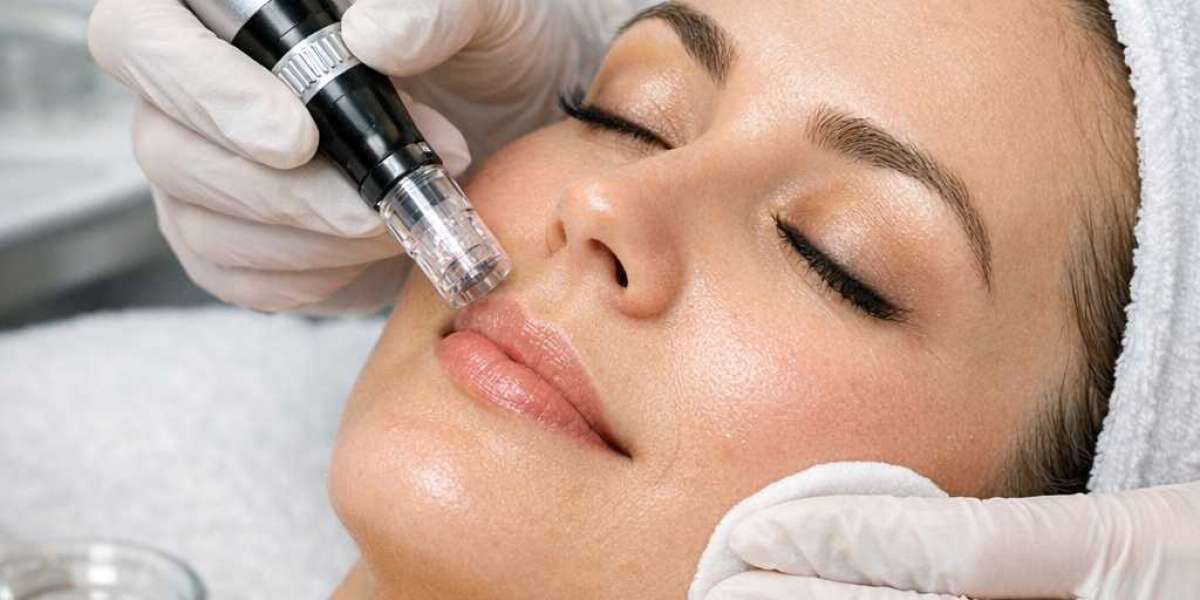
During the procedure, a specialized medical-grade device equipped with fine, sterile needles creates thousands of microscopic channels—often termed "micro-injuries"—in the stratum corneum and the deeper dermis. These punctures are superficial enough not to cause permanent damage but significant enough to trigger the body’s natural wound-healing cascade.
This cascade occurs in three distinct phases:
- Inflammation: Immediately following the treatment, the immune system is activated to disinfect the wounds, remove debris, and increase blood flow.
- Proliferation: The body begins to rebuild the tissue. This is the crucial phase where fibroblasts are stimulated to produce new collagen and elastin—the structural proteins responsible for skin firmness and elasticity.
- Remodeling: Over the subsequent weeks and months, the newly formed collagen matures and cross-links, resulting in tighter, smoother, and more resilient skin tissue.
Unlike ablative laser treatments that vaporize the epidermis, microneedling leaves the outer layer of the skin largely intact. This distinction is vital, as it significantly reduces recovery time and minimizes the risk of post-inflammatory hyperpigmentation, making it a versatile option for various skin types on the Fitzpatrick scale.
The Spectrum of Clinical Benefits
The versatility of collagen induction therapy is one of its most attractive attributes. It is not merely an anti-aging protocol but a corrective measure for a variety of dermatological imperfections.
1. Alleviation of Acne Scarring
Perhaps the most celebrated application of this treatment is its ability to diminish the appearance of atrophic acne scars (such as boxcar and rolling scars). By breaking down the fibrous bands of scar tissue and stimulating the production of new collagen, the skin’s surface is leveled, creating a smoother topography. While deep ice-pick scars may require combination therapies, moderate scarring often sees profound improvement after a series of sessions.
2. Reduction of Fine Lines and Wrinkles
As we age, the degradation of collagen and elastin leads to the formation of rhytids (wrinkles) and skin laxity. By forcibly jumpstarting the production of these proteins, the procedure acts as a powerful anti-aging intervention. It effectively thickens the dermis, thereby softening the appearance of crow’s feet, forehead lines, and perioral wrinkles.
3. Improvement of Skin Texture and Pore Size
Enlarged pores are often a result of reduced skin elasticity or congestion. The remodeling phase of the healing process tightens the tissue around the pore, rendering it less visible. Furthermore, the overall texture of the skin becomes more refined, replacing roughness with a tactile smoothness that reflects light more evenly, contributing to a "glow."
4. Hyperpigmentation and Sun Damage
For patients suffering from melasma or solar lentigines (sun spots), this therapy can be highly effective. It encourages the turnover of keratinocytes, helping to shed hyperpigmented layers of skin. When combined with topical lightening agents, the micro-channels allow for deeper penetration of the active ingredients, enhancing their efficacy.
Professional vs. At-Home Devices: A Safety Warning
With the rise of internet "skincare hacks," dermarollers designed for home use have flooded the market. It is imperative to distinguish between clinical treatments and at-home gadgets. Home devices typically utilize shorter, blunter needles that may tear the skin rather than puncturing it cleanly. This can lead to micro-tearing, infection, and granulomas.
Professional treatments utilize automated, medical-grade pens that operate vertically. This vertical oscillation ensures precise depth control (ranging from 0.5mm to 2.5mm) and minimizes epidermal trauma. Furthermore, a clinical setting ensures strict adherence to sterility, mitigating the risk of bacterial cross-contamination. For safe and effective results, reliance on a reputable provider like Enfield Royal Clinic is essential to ensure the procedure is conducted under sterile and expertly monitored conditions.
The Procedure: What to Expect
For the uninitiated, the prospect of needles can be daunting. However, the procedure is generally well-tolerated and follows a structured clinical protocol.
Consultation and Preparation
Before any treatment begins, a thorough consultation is required to assess the patient's medical history and skin condition. Contraindications such as active acne, eczema, rosacea, or a history of keloid scarring must be ruled out.
The Treatment Session
On the day of the procedure, a potent topical anesthetic (numbing cream) is applied to the treatment area for approximately 30 to 45 minutes. This ensures that the patient experiences minimal discomfort. Once the skin is numb and sterilized, the practitioner glides the device across the skin. A serum containing hyaluronic acid or growth factors is often applied simultaneously to act as a lubricant and to penetrate the micro-channels for enhanced hydration.
The sensation is often described as a vibration or the feeling of sandpaper being moved across the skin. Certain areas with less adipose tissue (fat), such as the forehead or jawline, may be slightly more sensitive, but the pain is generally manageable.
Post-Treatment Immediate Reaction
Immediately following the session, the skin will exhibit erythema (redness) and mild edema (swelling), similar to a moderate sunburn. Pinpoint bleeding is normal but usually subsides before the patient leaves the clinic. The skin will feel tight and warm to the touch.
Post-Procedure Care and Recovery
The success of the treatment is heavily contingent upon adherence to aftercare protocols. The skin barrier is temporarily compromised, making it susceptible to UV damage and infection.
- Sun Avoidance: Strict sun protection is non-negotiable. Direct exposure to UV radiation can lead to hyperpigmentation. A high-SPF, broad-spectrum mineral sunscreen should be applied daily once the initial 24-hour healing window has passed.
- Avoidance of Active Ingredients: Patients must pause the use of potent skincare actives such as retinoids (Retin-A), Vitamin C, and alpha-hydroxy acids (AHAs) for at least 3 to 5 days post-treatment. These ingredients can cause severe irritation on sensitized skin.
- Hydration: Keeping the skin hydrated with a gentle, non-comedogenic moisturizer helps alleviate the tightness and flaking that may occur during the first few days of recovery.
- No Makeup: It is recommended to avoid applying makeup for at least 24 to 48 hours to prevent clogging the open micro-channels.
Most patients notice a visible improvement in skin tone within a week, but the cumulative results of collagen production become most apparent after 4 to 6 weeks. For optimal correction of scars or deep wrinkles, a series of 3 to 6 sessions, spaced 4 weeks apart, is standard practice.
Microneedling with PRP: The "Vampire" Variation
An advanced iteration of this therapy involves the addition of Platelet-Rich Plasma (PRP). In this protocol, a small amount of the patient’s blood is drawn and spun in a centrifuge to separate the plasma, which is rich in growth factors and platelets. This golden fluid is then applied to the skin during the microneedling process.
The growth factors in PRP act as a turbocharger for the healing process, significantly accelerating tissue repair and collagen synthesis. This combination is particularly efficacious for under-eye rejuvenation and stubborn acne scarring, offering a bio-identical boost to the standard treatment.
Microneedling vs. Chemical Peels
Patients often ask how this mechanical form of exfoliation and stimulation compares to chemical alternatives. While both methods aim to rejuvenate the skin, they operate via different modalities. Chemical peels utilize acids to dissolve the bonds between skin cells, causing the outer layers to slough off. This is excellent for surface-level pigmentation and brightness.
However, for structural concerns like textural scarring and deep laxity, mechanical stimulation is often superior. In many comprehensive skincare plans, practitioners may alternate between these treatments to tackle different layers of the skin. If you are unsure which modality suits your specific pathology, consulting a professional who understands the nuances of both—and perhaps even offers specialized microneedling alongside other therapies—is the best course of action.
Who is the Ideal Candidate?
Microneedling boasts a high safety profile, making it suitable for a vast demographic. It is uniquely advantageous for darker skin tones (Fitzpatrick types IV-VI) because it does not generate heat, thereby avoiding the risk of post-inflammatory hyperpigmentation often associated with laser therapies.
Ideal candidates are healthy individuals looking to improve:
- Acne scars (atrophic).
- Fine lines and wrinkles.
- Enlarged pores.
- Uneven skin tone.
- Stretch marks (striae).
However, it is not suitable for those who:
- Have active pustular acne (risk of spreading bacteria).
- Are currently taking isotretinoin (Accutane) or have taken it within the last six months.
- Have open wounds or skin infections.
- Are pregnant or breastfeeding.
- Have a history of poor wound healing or keloid formation.
The Role of Nutrition and Lifestyle
While the clinical procedure provides the stimulus, the body requires raw materials to build new collagen. Patients are encouraged to maintain a diet rich in Vitamin C, amino acids, and antioxidants during the treatment course. Hydration, adequate sleep, and avoidance of smoking are also critical factors that influence the quality of the results. Smoking, in particular, constricts blood vessels and depletes oxygen in the skin, directly counteracting the benefits of the therapy.
Conclusion
In the realm of aesthetic dermatology, few treatments offer the balance of efficacy, safety, and minimal downtime that microneedling provides. By harnessing the body’s innate physiological power to heal and regenerate, it offers a naturalistic approach to anti-aging and skin correction. It moves beyond merely masking imperfections to structurally improving the integrity of the skin.
Whether you are battling the remnants of adolescent acne or seeking to maintain a youthful firmness in the face of aging, this procedure represents a sound investment in your dermatological health. However, the distinction between a mediocre result and a transformative one lies in the skill of the practitioner. We invite you to prioritize your skin health by seeking consultation at Enfield Royal Clinic, where expertise meets advanced technology to deliver superior aesthetic outcomes.
As with any medical procedure, information is your most powerful tool. Understanding the science of collagen induction therapy allows you to manage expectations and participate actively in your journey toward healthier, more radiant skin.