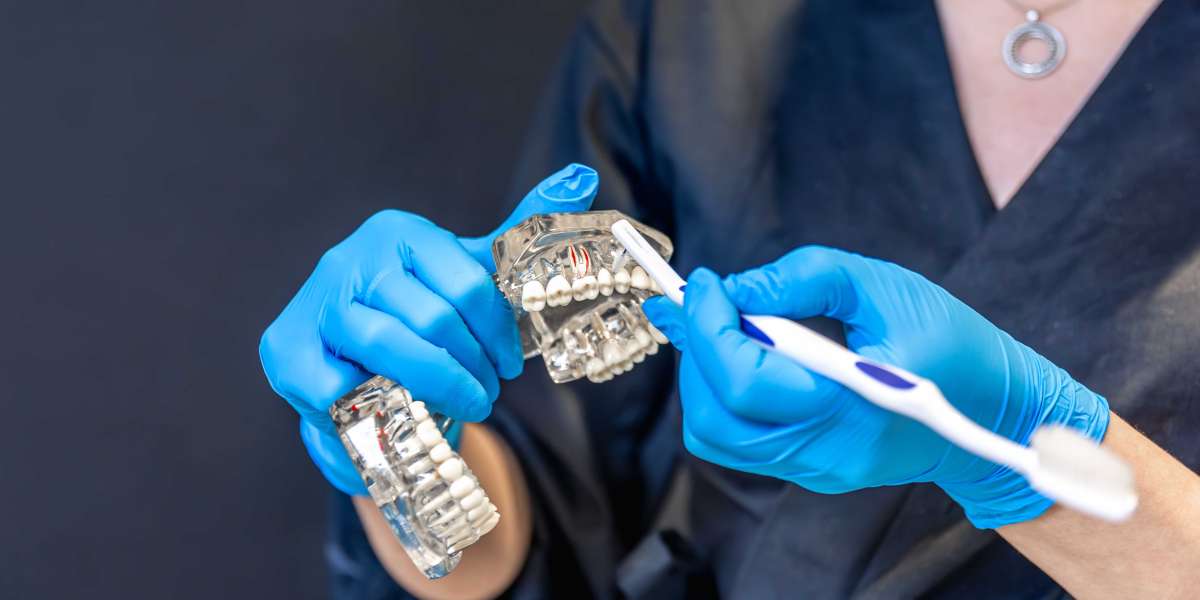

Dental emergencies can happen at any time, often without warning, and they can be both painful and stressful. Whether it is a sudden toothache, a broken tooth, or an injury to the mouth, knowing how to respond quickly can make a significant difference. Emergency dentistry focuses on providing immediate care to relieve pain and prevent further complications.
Many people are unsure about what qualifies as a dental emergency and how urgently they should act. Understanding the basics can help reduce panic and ensure the right steps are taken. Quick action not only protects your oral health but can also save a damaged tooth. Modern dental practices are equipped to handle urgent situations efficiently. Being prepared and informed is the first step toward managing unexpected dental problems effectively.
Common Dental Emergencies and Immediate Actions
Dental emergencies come in many forms, ranging from mild discomfort to severe injuries that require urgent care. Recognizing the type of emergency is essential in deciding how to respond.
Emergency dentistry provides solutions for a wide variety of urgent dental problems, helping patients get relief quickly. Acting promptly can prevent minor issues from becoming major complications. It is important to stay calm and take the right steps before reaching a dentist. Proper first aid can reduce pain and improve outcomes. Knowing what to do in advance can make a stressful situation more manageable. This section explores common dental emergencies and how to handle them effectively.
Severe Toothache and Pain Management
A severe toothache is one of the most common reasons people seek emergency dentistry services. The pain can be caused by infection, decay, or damage to the tooth. When a toothache strikes, it is important to rinse your mouth with warm water and gently clean the affected area. Avoid placing aspirin directly on the gums, as it can cause irritation. Applying a cold compress to the outside of the cheek can help reduce swelling and discomfort. Over-the-counter pain relievers may provide temporary relief until you see a dentist.
Persistent pain should never be ignored, as it may indicate a deeper issue such as an abscess or nerve damage. Seeking professional care as soon as possible is essential to prevent the condition from worsening. Dentists can diagnose the cause of the pain and provide appropriate treatment. Early intervention often leads to better outcomes and less complicated procedures. Maintaining good oral hygiene can also help prevent future toothaches. Understanding how to manage pain initially can make the experience less overwhelming. Prompt action is key to protecting your dental health.
Broken or Chipped Teeth
A broken or chipped tooth can occur due to accidents, falls, or biting down on hard objects. Emergency dentistry plays a crucial role in restoring damaged teeth and preventing further harm. If a tooth breaks, it is important to save any fragments and rinse your mouth with warm water. Applying a cold compress can help reduce swelling. Covering the sharp edges with dental wax or sugarless gum can prevent injury to the tongue or cheeks. Avoid chewing on the affected side until you receive treatment.
Even minor chips should be evaluated by a dentist, as they can expose the inner layers of the tooth. This increases the risk of infection and sensitivity. Dentists may use bonding, crowns, or other treatments to restore the tooth’s structure. Prompt care helps maintain both function and appearance. Delaying treatment can lead to more serious complications. Taking immediate steps can minimize damage and improve recovery. Protecting your teeth from further injury is essential during this time.
Knocked-Out Tooth and Urgent Care
A knocked-out tooth is a serious dental emergency that requires immediate attention. Emergency dentistry offers the best chance of saving the tooth if action is taken quickly. If a tooth is knocked out, handle it by the crown and avoid touching the root. Rinse it gently with water if dirty, but do not scrub it. Try to place the tooth back into its socket if possible. If not, keep it in a container of milk or saliva to preserve it.
Time is critical in such situations, as the chances of successful reattachment decrease after an hour. Seeking immediate dental care can make a significant difference. Dentists will assess the condition and attempt to reinsert the tooth. Proper handling and quick response are essential for the best outcome. Understanding these steps can help you act confidently during an emergency. Preserving the tooth correctly increases the likelihood of saving it. Quick thinking and prompt action are vital in these cases.
How Emergency Dentistry Ensures Quick Relief and Recovery
Emergency dentistry is designed to provide fast and effective treatment for urgent dental issues. Dentists use advanced techniques and equipment to diagnose and address problems quickly. The goal is to relieve pain, prevent further damage, and restore oral health. Patients can expect prompt attention and personalized care during emergencies. Understanding how these services work can help reduce anxiety and improve preparedness. This section explains how emergency dentistry supports patients during critical situations. It highlights the importance of timely treatment and professional care.
Immediate Diagnosis and Treatment
Quick diagnosis is a key component of emergency dentistry, allowing dentists to identify the root cause of the problem. Advanced imaging and examination techniques help in making accurate assessments. Once the issue is identified, treatment can begin immediately. This may include procedures such as fillings, root canals, or temporary restorations. The focus is on stabilizing the condition and relieving pain. Prompt treatment helps prevent complications and promotes faster recovery.
Patients benefit from a streamlined process that prioritizes urgent needs. Dentists are trained to handle a wide range of emergencies efficiently. This ensures that patients receive the care they need without unnecessary delays. Early intervention can make a significant difference in outcomes. Understanding the importance of quick diagnosis encourages patients to seek help promptly. Emergency dentistry provides reassurance during stressful situations. It ensures that patients are not left dealing with pain for long periods.
Pain Relief and Patient Comfort
One of the primary goals of emergency dentistry is to provide immediate pain relief. Dentists use various techniques to manage discomfort and ensure patient comfort. Local anesthesia and sedation options help minimize pain during procedures. Patients can feel more relaxed knowing that their discomfort will be addressed quickly. Managing pain effectively is essential for a positive treatment experience.
In addition to medical treatment, dentists may provide guidance on managing pain at home. This includes recommendations for medication and care routines. Ensuring patient comfort is a top priority throughout the process. A supportive environment helps reduce anxiety and stress. Patients are more likely to seek help when they know they will be treated with care. Emergency dentistry focuses on both physical and emotional well-being. This approach improves overall patient satisfaction and outcomes.
Preventing Further Complications
Timely intervention through emergency dentistry helps prevent minor issues from becoming major problems. Untreated dental emergencies can lead to infections, tooth loss, and other complications. Dentists take steps to stabilize the condition and protect surrounding tissues. This may involve temporary or permanent solutions depending on the severity of the issue. Preventive measures are an important part of emergency care.
Patients are also educated on how to avoid future emergencies. This includes advice on oral hygiene and protective measures. Regular dental check-ups can help identify potential risks early. Taking proactive steps reduces the likelihood of recurring problems. Emergency dentistry not only addresses immediate concerns but also supports long-term oral health. Understanding the importance of prevention encourages better dental habits. This comprehensive approach ensures lasting benefits for patients.
Final Thoughts
Dental emergencies can be overwhelming, but knowing how to respond can make a significant difference. Emergency dentistry provides the support and care needed during these critical moments.
hughallenclinic.com By understanding common emergencies and the steps to take, patients can act quickly and confidently. Timely treatment helps reduce pain and prevent further complications. Staying informed and prepared is essential for maintaining oral health. With the right approach, even unexpected dental problems can be managed effectively.
FAQs about emergency dentistry:
What is emergency dentistry?
It is urgent dental care for sudden pain, injury, or infection.
What counts as a dental emergency?
Severe pain, broken teeth, bleeding, or knocked-out teeth.
Should I go to the dentist immediately?
Yes, for serious pain or injury, seek care right away.
How can I manage pain at home?
Use cold compress and pain relievers temporarily.
Can a knocked-out tooth be saved?
Yes, if treated within 30–60 minutes.
What if my tooth is chipped?
See a dentist to prevent further damage.
Are emergency visits expensive?
Costs vary depending on treatment needed.
Do emergency dentists work at night?
Some clinics offer 24/7 or after-hours services.
Can infections become serious?
Yes, untreated infections can spread and worsen.
How to avoid dental emergencies?
Maintain oral hygiene and have regular check-ups.