
The Hidden Workforce Keeping Mobile Networks Running
Every day, billions of people rely on mobile networks to communicate, access information, and run businesses. Whether making a phone call, sending a message, streaming videos, or using navigation apps, modern life depends heavily on reliable wireless connectivity. While most users simply expect their mobile service to work seamlessly, few realize the complex infrastructure and skilled workforce required to keep these networks running.
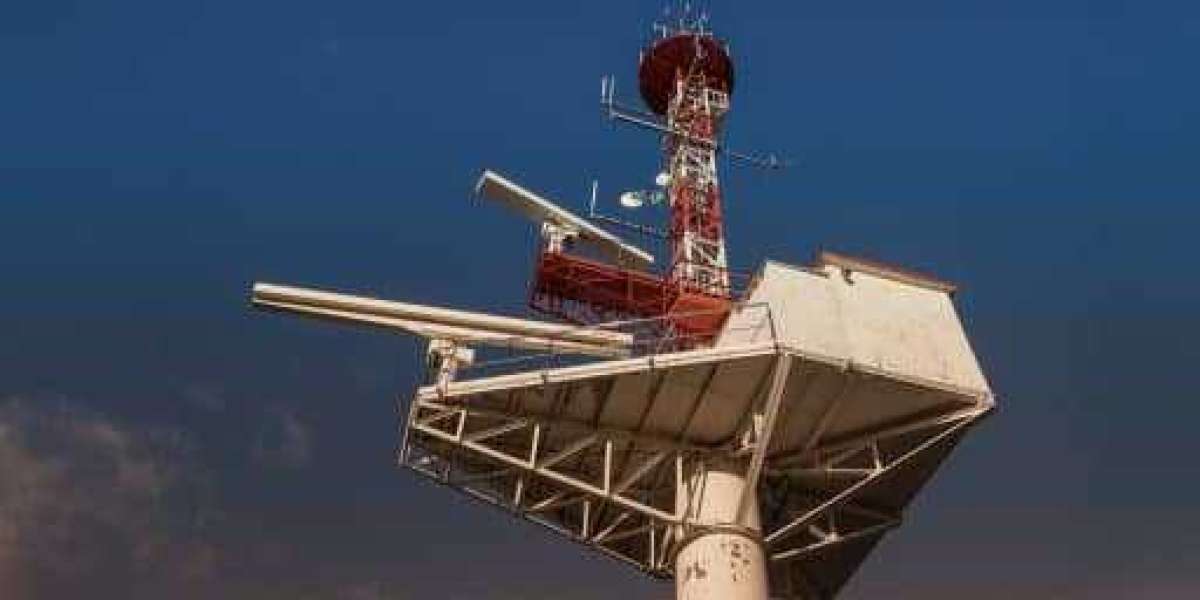
Telecommunications towers form the backbone of wireless communication systems. These structures support antennas, transmitters, and other equipment that allow signals to travel between mobile devices and network providers. Behind the construction and maintenance of this critical infrastructure are trained professionals responsible for ensuring everything functions properly.
Telco tower technicians are the field experts who build, install, and maintain the equipment that powers mobile communication networks. Their work supports the growing demand for high-speed connectivity, particularly as telecom providers expand infrastructure to support 5G technology and increasing mobile data usage worldwide.
What Happens During Tower Deployment
Deploying a telecom tower involves a series of technical steps that require precise coordination between engineers, project managers, and installation teams. Each stage plays a vital role in ensuring the tower operates safely and delivers strong network coverage.
- Site Preparation
Before construction begins, engineers conduct site surveys to determine the best location for the tower. This process includes evaluating terrain, ensuring structural stability, and assessing signal coverage requirements. Permits and regulatory approvals are also secured during this phase. - Tower Installation
Once the site is ready, technicians assemble the tower structure. This involves installing the main tower frame, mounting brackets, and supporting components that will hold telecommunications equipment. Depending on the design, towers may reach heights of more than 100 meters. - Antenna and Equipment Installation
After the tower structure is completed, technicians install antennas, radios, cables, and other network hardware. Precise antenna alignment is essential to ensure proper signal coverage and optimal network performance. - Network Testing and Activation
Before the tower becomes fully operational, technicians conduct detailed signal tests and performance checks. These tests verify that equipment is functioning correctly and that the tower delivers reliable connectivity.
Throughout this entire process, experienced telco tower technicians play a critical role in ensuring that installations meet engineering standards and safety requirements.
Real-World Challenges Technicians Face
Working as a tower technician involves unique challenges that require both technical expertise and physical endurance. Technicians often perform installations and maintenance tasks at significant heights, sometimes climbing towers that exceed several hundred feet.
In addition to working at elevation, technicians frequently operate in demanding environments. Telecom towers may be located in remote rural areas, mountainous regions, or offshore locations where access can be difficult. Weather conditions such as strong winds, heavy rain, and extreme temperatures can also affect installation schedules and working conditions.
These factors make proper training and safety awareness essential. Technicians must carefully follow established safety protocols, use specialized climbing equipment, and conduct regular equipment inspections to minimize risks while working on towers.
Technology Tools Used by Modern Tower Technicians
Advancements in telecommunications technology are also transforming how tower technicians perform their work. Modern field teams now use a variety of specialized tools and digital technologies to improve efficiency, safety, and network performance.
Some of the most commonly used tools include:
- RF signal analyzers that measure signal strength and network performance
- Drones for tower inspections, allowing technicians to assess structural conditions without always climbing the tower
- Predictive maintenance software powered by artificial intelligence, which helps identify potential equipment issues before failures occur
According to industry studies, drone-assisted inspections can significantly reduce maintenance time while improving safety for technicians. These technologies also allow telecom operators to monitor infrastructure more effectively and respond quickly to network issues.
As networks become more complex with the expansion of 5G and emerging technologies, the role of skilled technicians equipped with advanced tools will become even more important.
Conclusion: The Experts Behind Reliable Connectivity
Reliable mobile networks depend on more than just advanced technology—they rely on the skilled professionals who build and maintain telecom infrastructure. Telco tower technicians play an essential role in ensuring that communication networks remain stable, efficient, and capable of meeting growing connectivity demands.
From installing antennas to performing routine maintenance and troubleshooting network issues, these technicians help keep millions of users connected every day. As global demand for mobile data and digital services continues to grow, their expertise will remain critical in supporting the future of telecommunications and ensuring reliable connectivity for communities around the world.