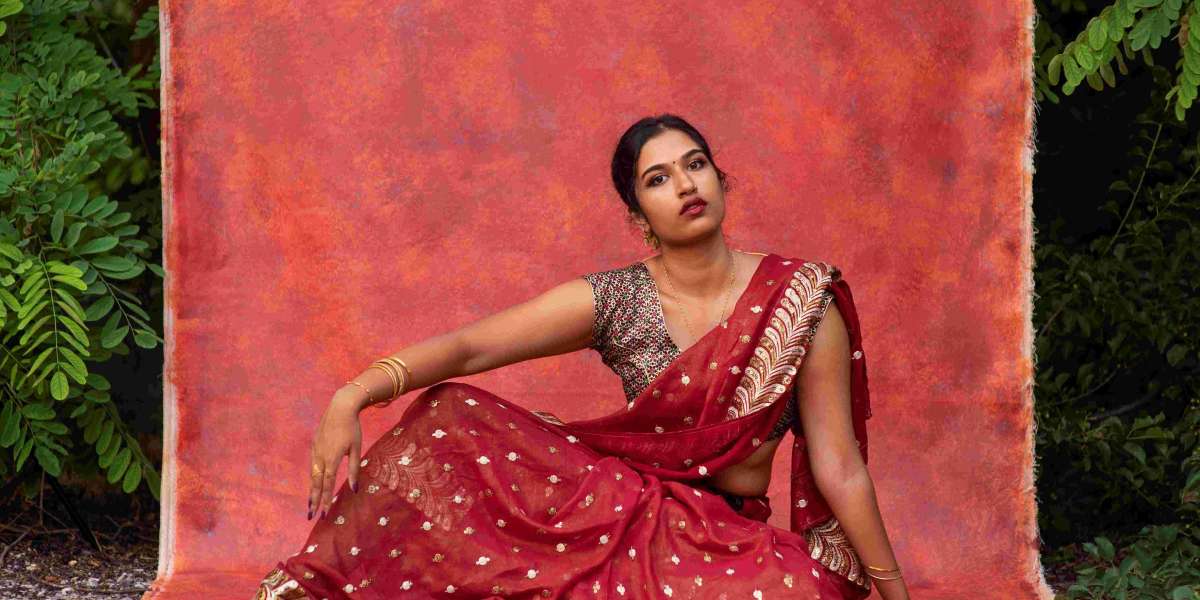

When it comes to the grandeur of an Indian wedding, nothing captures the essence of beauty, tradition, and elegance quite like traditional Indian bridal sarees. For centuries, these magnificent garments have been the centrepiece of wedding celebrations across the country, symbolising love, prosperity, and the timeless bond between two souls. From the opulent silk weaves of Varanasi to the intricate zari work of Kanchipuram, each saree tells a story steeped in cultural heritage and artisanal brilliance.
The Cultural Significance of Bridal Sarees
India is a land of extraordinary diversity, and this richness is beautifully reflected in its bridal fashion. Traditional Indian bridal sarees are not merely garments — they are heirlooms passed down through generations, carrying with them the blessings of ancestors and the promises of new beginnings. Each region of India boasts its own distinct style, weaving technique, and motif, making the bridal saree landscape one of the most varied and spectacular in the world.
In the southern states, Kanchipuram silk sarees reign supreme. Known for their heavy silk fabric, contrasting borders, and rich zari weaving, these sarees are often woven with motifs of temples, peacocks, and mango patterns. The vibrant colours — deep reds, royal blues, and lush greens — are deeply associated with auspicious beginnings and divine blessings. A Kanchipuram bridal saree is not just a piece of clothing; it is a work of art that takes master weavers weeks, sometimes months, to complete.
Banarasi Sarees – The Pride of North India
No discussion of classic wedding styles would be complete without mentioning the iconic Banarasi saree. Originating from the holy city of Varanasi (Banaras), these sarees are celebrated for their fine silk fabric, intricate brocade work, and luxurious feel. The weaving tradition of Banarasi silk dates back over 500 years, and the craft continues to be practised by skilled artisans who have inherited the knowledge from their forebears.
Banarasi sarees feature elaborate patterns inspired by Mughal art, including floral vines, intricate paisleys, and ornate jalis (lattice work). The gold and silver zari threads woven into the fabric give the saree an unmistakable shimmer that catches light beautifully, making the bride look resplendent as she walks down the aisle. It is no wonder that Banarasi sarees remain among the most coveted traditional Indian bridal sarees for modern weddings.
Regional Varieties That Define Bridal Fashion
Beyond Kanchipuram and Banarasi, India's bridal saree repertoire is vast and breathtaking. The Paithani saree from Maharashtra is renowned for its pure silk base and intricate peacock and lotus motifs woven with gold and silk threads. The Mekhela Chador from Assam, crafted in muga silk, showcases the northeastern aesthetic with subtle elegance. Odisha's Sambalpuri sarees feature traditional ikat patterns in rich colours, while the Bandhani sarees of Rajasthan and Gujarat dazzle with their vivid tie-dye patterns.
Each of these regional styles contributes to the rich tapestry of traditional Indian bridal sarees, offering brides a wide spectrum of choices that align with their cultural roots or personal aesthetic preferences. Whether a bride chooses to honour her regional heritage or blend multiple traditions, the saree remains the ultimate expression of her identity and grace on her wedding day.
Fabrics, Embellishments, and Craftsmanship
The beauty of a bridal saree lies not just in its design but in the quality of its craftsmanship. Silk remains the most prized fabric for wedding sarees, valued for its lustrous sheen, smooth texture, and natural durability. Pure silk sarees carry the prestigious Silk Mark certification, assuring brides of their authenticity. Alongside silk, georgette, chiffon, and net sarees have also found favour among contemporary brides who prefer lighter drapes without compromising on elegance.
Embellishments play a vital role in elevating a bridal saree from beautiful to extraordinary. Zardozi embroidery, stone work, mirror work, thread embroidery, and sequin detailing are just some of the techniques used by skilled artisans to add dimension and drama to the saree. The border and pallu (the decorative end of the saree) are typically the most ornate parts, featuring the most intricate designs and highest concentration of embellishments.
Choosing the Right Bridal Saree
Selecting the perfect bridal saree is one of the most important decisions a bride-to-be will make. The choice depends on several factors, including the wedding ceremony, climate, personal style, and family traditions. For a traditional Hindu wedding, red and gold remain the classic colour combination, symbolising prosperity, fertility, and marital bliss. However, modern brides are increasingly embracing a wider colour palette — from dusty pink and ivory to deep teal and midnight blue.
The draping style also varies significantly across regions. The Nivi drape, popular in the south, the Gujarati style, the Bengali style, and the Maharashtrian nauvaari drape each offer a distinct silhouette and cultural statement. A professional saree draper can transform even a simple saree into a stunning bridal look with the right folds and pleats.
Preserving the Legacy of Traditional Weaves
As global fashion continues to evolve, there is a growing movement to preserve and celebrate the art of handloom weaving. Government initiatives, fashion designers, and bridal boutiques across India are working together to sustain the livelihoods of weavers and ensure that these ancient crafts endure for future generations. Choosing a handwoven saree for your wedding is not just a style decision — it is a conscious act of cultural preservation.
Traditional Indian bridal sarees represent the soul of India's wedding culture — a harmonious blend of artistry, tradition, and timeless beauty. Whether you are drawn to the grandeur of a Banarasi silk, the elegance of a Kanchipuram weave, or the vibrancy of a Bandhani, there is a bridal saree waiting to make your wedding day truly unforgettable. Embrace the heritage, celebrate the craft, and let your saree tell a story as beautiful as the love it adorns.