
Walk into a house with custom glass stair railings and you notice it right away. The space feels open. Lighter. Almost like the staircase stopped blocking the room and started working with it. I’ve seen people renovate an entire living area just to get this effect… when honestly the railing alone does half the job. Glass lets light travel. It shows off the structure — the stringer, the treads, the little architectural details you normally miss. And when the railing is actually custom built, not some pre-made kit, it fits the home instead of fighting it. That’s the difference most homeowners don’t realize until they see one installed.
The Problem With Generic Stair Railings
A lot of homes still have the same basic railing setups. Wood posts. Chunky balusters. Heavy top rails. Functional, sure. But they close off the staircase and make the room feel smaller than it really is. This is where custom stair railing design starts to matter. When fabricators build railings to the exact staircase — angle, stringer type, floor height — the result feels intentional. Not forced. Some homes use floating stairs, others have boxed stringers or steel stringers, and each one changes how the railing should attach. That’s why off-the-shelf railings often look… off. They weren’t built for that staircase.
Mixing Glass With Metal For Strength
Glass looks delicate, but the system behind it usually isn’t. Most metal stair railing designs use steel or aluminum framing to hold the glass panels solidly in place. That metal does the heavy lifting. Literally. You’ll see side-mounted brackets, base shoes mounted to the stringer, or slim metal posts between panels. A custom metal stair railing structure paired with tempered glass is actually incredibly strong. It meets safety codes easily when done right. The trick is keeping the metal minimal so the glass still does its job visually. Too much framing and you lose that clean, open look people want.
Designing Around the Stair Stringer
The stringer decides a lot more than people think. Closed stringers, floating stair systems, mono stringers — they all change how custom glass stair railings get installed. With floating stairs, the glass sometimes mounts directly to the side of the tread, which looks amazing but requires precise engineering. On a boxed stringer, installers often anchor a base channel along the top edge. It sounds technical, but the goal is simple: make the railing feel like part of the staircase instead of something bolted on later. When the railing and the stringer work together, the staircase suddenly looks like a centerpiece instead of just a way to get upstairs.
Where Custom Metal Gates and Fences Come Into Play
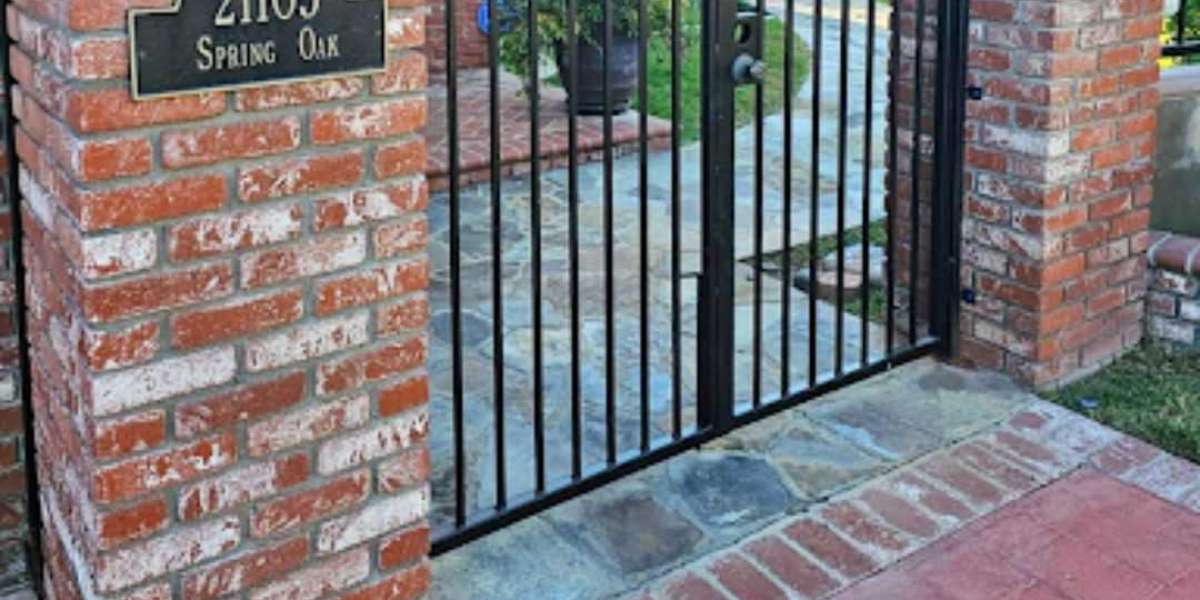
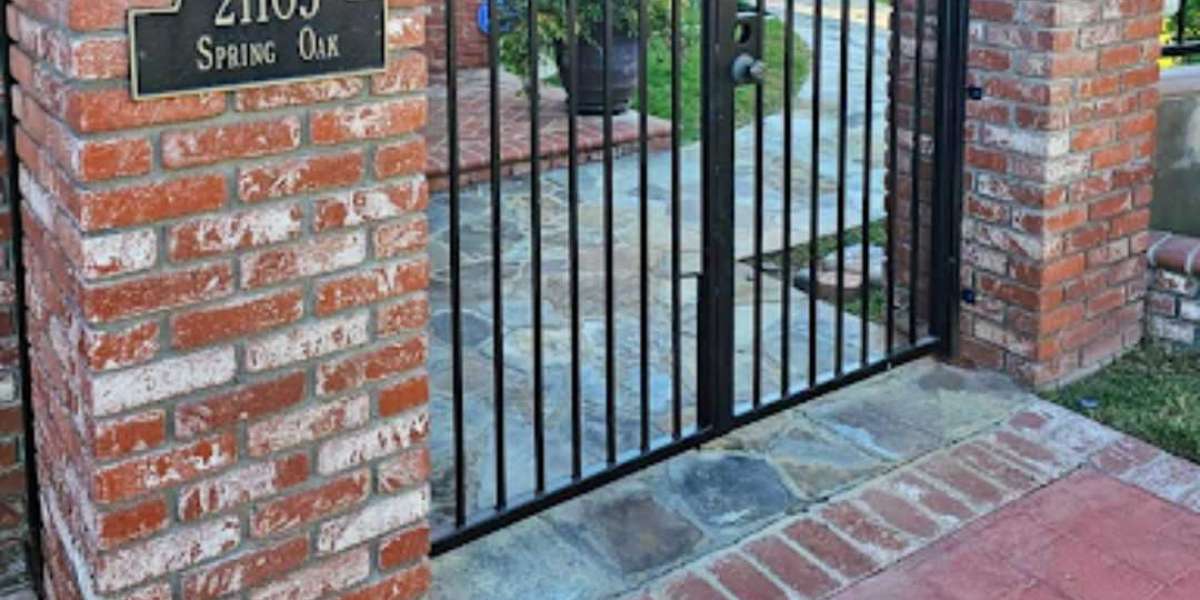
Now here’s something homeowners rarely think about. Once they upgrade the interior staircase, the outside of the house starts looking… underdressed. That’s where custom metal gates and fences start entering the conversation. The same fabrication shops that build stair railings usually design exterior metalwork too. Gates, fences, courtyard entries, side yard barriers. Matching the style matters more than people expect. If your staircase has sleek glass and steel, a bulky ornamental gate out front feels out of place. A modern custom metal gate with similar lines ties the whole property together. It’s subtle, but it works.
Modern Metal Stair Railing Designs Homeowners Love
Design trends have shifted a lot over the past decade. People want cleaner lines now. Less clutter. Many metal stair railing designs use thin powder-coated steel frames paired with large glass panels. Matte black is everywhere lately. Sometimes bronze or dark gray. The railing almost disappears, leaving the staircase floating visually in the room. Another approach mixes glass panels with horizontal steel bars or cable accents. It adds texture without making the staircase feel heavy again. Every house is a little different though. That’s the whole point of going custom — the design bends to the space instead of forcing the space to match the railing.
Installation Is Where Details Really Matter
A railing can look incredible on paper, then fall apart during installation if the details aren’t handled carefully. Glass panels must be measured precisely. Even a few millimeters off and you’ll see it. Mounting hardware needs to align perfectly along the stringer or base channel. And then there’s safety — tempered or laminated glass, load requirements, local building codes. Good fabricators plan all that before the metal even gets cut. Same goes for custom metal gates and fences outside. Hinges, gate swing, latch placement… small stuff, but if it’s wrong you feel it every single day.
Conclusion
In the end, custom glass stair railings aren’t just about aesthetics. They change how a home feels. Brighter rooms, cleaner sightlines, a staircase that finally looks like it belongs there. Pair that with thoughtfully designed custom metal gates and fences, and suddenly the interior and exterior of the home start speaking the same language. Good metalwork does that. It connects spaces. And when the railing, the gate, and the structure itself all work together — the stringer, the framing, the layout — the result doesn’t feel like decoration anymore. It feels like part of the architecture. Like it should’ve been there from the beginning.