
A clean mattress plays a crucial role in maintaining good sleep quality and overall health. While many people regularly wash their bed sheets and pillowcases, the mattress itself is often neglected. Over time, mattresses accumulate dust mites, sweat, allergens, bacteria, and dead skin cells, creating an environment that can negatively affect both hygiene and sleep quality.
Experts generally recommend cleaning your mattress regularly to maintain a healthy sleep environment. But how often should it really be done? The answer depends on several factors, including household conditions, allergies, pets, and humidity levels. In this guide, we’ll explore expert recommendations, explain why mattress hygiene matters, and provide practical tips to keep your mattress fresh and clean.
Why Mattress Cleaning Is More Important Than Most People Realize
Most people underestimate how quickly a mattress can accumulate dirt and contaminants. Even if your bed looks clean on the surface, microscopic particles may still be present deep within the layers of the mattress.
Dust Mites and Hidden Allergens
Dust mites are among the most common allergens found in household bedding. These microscopic creatures feed on dead skin cells that humans naturally shed during sleep. While dust mites themselves are harmless, their waste particles can trigger allergic reactions such as sneezing, itchy eyes, and respiratory irritation.
Health organizations like the CDC and environmental health experts note that reducing dust mite exposure is essential for people with allergies or asthma.
Sweat, Body Oils, and Bacteria Buildup
During sleep, the human body releases sweat and natural oils that seep into mattress fabrics. Over time, these substances accumulate and can promote bacterial growth. If not addressed, this buildup may lead to unpleasant odors, stains, and hygiene concerns.
Impact on Sleep Quality
A dirty mattress can affect more than just cleanliness. Allergens and odors may disrupt sleep, making it harder to rest comfortably. Maintaining mattress hygiene contributes to better sleep quality and a healthier bedroom environment.
How Often Should You Clean Your Mattress? Expert Guidelines
Cleaning frequency can vary depending on lifestyle, health conditions, and household habits. However, experts generally recommend the following schedule.
Standard Households
For most households, a deep mattress cleaning every 6 to 12 months is recommended. This helps remove accumulated dust, allergens, and bacteria that routine bedding changes cannot address.
Homes With Pets or Children
Households with pets or young children often experience higher levels of dirt, pet dander, and accidental spills. In these situations, cleaning your mattress every 3 to 6 months is usually a better approach to maintain proper hygiene.
Allergy or Asthma Sufferers
People who suffer from allergies or asthma may benefit from more frequent cleaning. Regular mattress maintenance helps reduce exposure to dust mites and allergens that can trigger symptoms.
Humid Climates and Mold Risk
Humidity can create an environment where mold and mildew develop inside mattress layers. In humid areas, experts recommend more frequent cleaning to prevent microbial growth and protect indoor air quality.
In many cases, homeowners choose professional mattress cleaning to ensure deep sanitization and effective allergen removal when routine maintenance is not enough.
Signs Your Mattress Needs Cleaning Sooner
Even if you follow general guidelines, certain warning signs may indicate that your mattress requires cleaning sooner.
Persistent Odors
If your mattress has developed a musty or unpleasant smell, it could be due to accumulated sweat, bacteria, or moisture.
Allergy Symptoms at Night
Frequent sneezing, coughing, or itchy eyes when lying in bed may indicate allergen buildup in the mattress.
Visible Stains or Discoloration
Spills, sweat marks, and other stains can accumulate over time and may require deep cleaning to fully remove.
Dust Accumulation
If you notice excessive dust when vacuuming or changing sheets, your mattress may be harboring hidden debris.
Why Mattresses Get Dirty Faster Than You Think
Even with proper bedding, mattresses naturally collect contaminants over time.
Dead Skin Cells
The average person sheds millions of skin cells each night. These particles accumulate inside the mattress and serve as a food source for dust mites.
Sweat and Moisture Retention
During sleep, the body releases moisture that can be absorbed by mattress materials. Over time, this moisture may encourage bacterial growth and unpleasant odors.
Pet Dander and Pollen
If pets share the bed or if bedroom windows are often open, allergens such as pollen and pet dander may settle into mattress fibers.
Microscopic Organisms
In some cases, mattresses can harbor bacteria, mold spores, or even bed bugs if not properly maintained.
DIY Mattress Cleaning vs Professional Cleaning
Many homeowners attempt to clean their mattresses themselves, but DIY methods have limitations.
What You Can Do at Home
Routine mattress care may include:
- Vacuuming the mattress surface
- Using baking soda to absorb odors
- Spot cleaning stains with mild detergents
- Rotating the mattress regularly
These steps help maintain surface cleanliness but may not remove deep-seated contaminants.
Limitations of DIY Cleaning
DIY cleaning methods often fail to reach deep mattress layers where dust mites and allergens accumulate. Excess moisture from improper cleaning techniques may also increase the risk of mold.
When to Consider Professional Mattress Cleaning
When stains, odors, or allergens become embedded in mattress materials, professional mattress cleaning can provide a more effective solution.
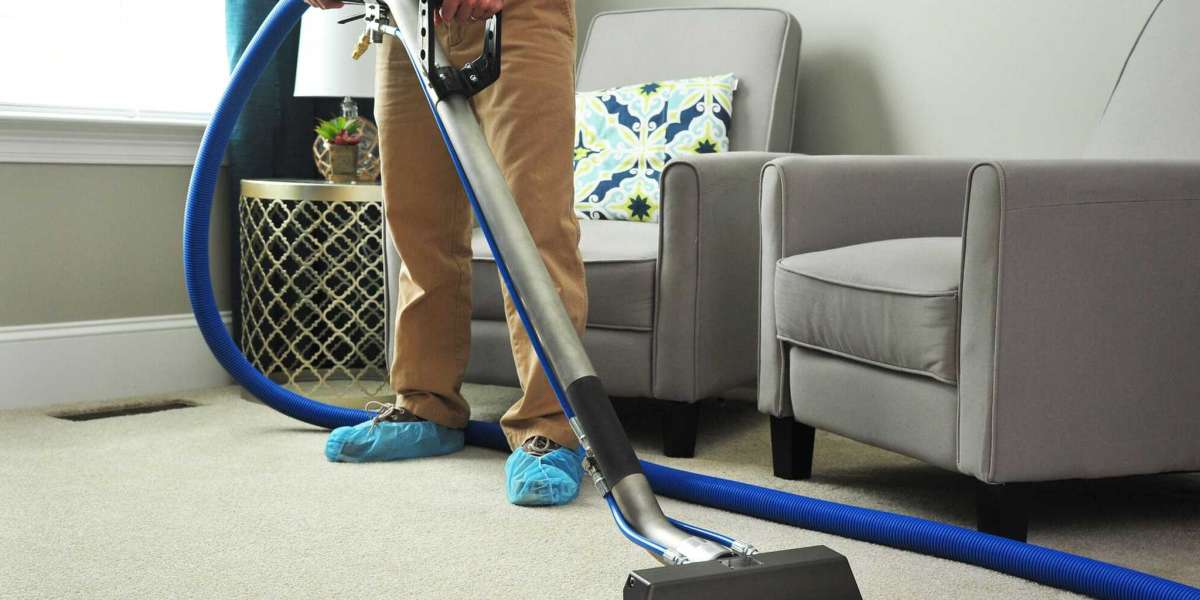
Specialized services use advanced equipment, such as steam cleaning and hot-water extraction, to remove deeply embedded contaminants. For example, services like those offered through Westlink Services help restore mattress hygiene and improve sleep comfort.
How Professional Mattress Cleaning Works
Professional mattress cleaning involves several stages designed to remove contaminants safely and effectively.
Inspection and Assessment
The process typically begins with an inspection to identify stains, odors, and areas requiring special treatment.
HEPA Vacuuming
Technicians use high-efficiency vacuum systems to remove dust, debris, and allergens from the mattress surface.
Deep Cleaning Treatment
Methods such as steam cleaning or hot water extraction penetrate deeper layers of the mattress to remove embedded dirt, dust mites, and bacteria.
Sanitization and Deodorization
Eco-friendly cleaning solutions are applied to eliminate odors and neutralize harmful microorganisms.
Controlled Drying
Proper drying techniques prevent moisture buildup and ensure the mattress is safe to use again.
Tips to Keep Your Mattress Cleaner for Longer
Regular maintenance can extend the time between deep cleaning sessions.
Use a Mattress Protector
A waterproof mattress protector acts as a barrier against spills, sweat, and dust mites.
Wash Bedding Weekly
Cleaning sheets and pillowcases regularly helps prevent dirt and allergens from transferring to the mattress.
Vacuum the Mattress Periodically
Using a vacuum with a HEPA filter can remove dust and debris from the mattress surface.
Control Indoor Humidity
Maintaining indoor humidity levels between 30% and 50% can reduce the growth of mold and dust mites.
Rotate Your Mattress
Rotating your mattress every few months helps distribute wear evenly and prevents certain areas from accumulating excess dirt.
How Mattress Hygiene Impacts Your Health
Maintaining a clean mattress supports both physical health and sleep quality.
Allergy Prevention
Removing dust mites and allergens can reduce common allergy symptoms and improve breathing during sleep.
Improved Indoor Air Quality
Mattresses can influence bedroom air quality. Keeping them clean reduces airborne particles that may affect respiratory health.
Better Sleep Quality
A fresh mattress environment promotes comfortable and uninterrupted sleep.
Reduced Skin Irritation
Clean bedding and mattresses help minimize bacterial exposure that may lead to skin irritation.
When Should You Replace Instead of Cleaning Your Mattress?
Even with regular cleaning, mattresses eventually reach the end of their lifespan.
Typical Mattress Lifespan
Most mattresses last between 7 and 10 years, depending on quality and usage.
Structural Damage
Sagging, broken springs, or uneven surfaces can affect sleep posture and comfort.
Persistent Odors or Mold
If odors or mold persist even after cleaning, replacing the mattress may be the best option.
Expert Recommendations for Mattress Cleaning Frequency
Below is a simple guide to mattress cleaning frequency based on household conditions.
Household Type | Recommended Cleaning Frequency |
Standard homes | Every 6–12 months |
Homes with pets | Every 3–6 months |
Allergy sufferers | Every 3–6 months |
Humid environments | About every 6 months |
Following these recommendations can help maintain a cleaner sleep environment and extend the life of your mattress.
Conclusion
Maintaining a clean mattress is essential for both hygiene and sleep quality. Experts generally recommend cleaning your mattress every six to twelve months, although households with allergies, pets, or children may require more frequent care.
Regular maintenance, such as vacuuming, washing bedding, and using mattress protectors, can help keep contaminants under control. However, deeper cleaning may sometimes be necessary to remove embedded allergens and bacteria.
For homeowners looking to maintain a hygienic sleeping environment, scheduling professional mattress cleaning can provide a more thorough and effective solution for long-term mattress care.
Frequently Asked Questions
How often should a mattress be professionally cleaned?
Most experts recommend professional cleaning every 6–12 months, though households with pets or allergies may benefit from more frequent cleaning.
Can mattress cleaning remove dust mites?
Yes, deep cleaning methods such as steam cleaning can significantly reduce dust mites and their allergens.
Does steam cleaning damage mattresses?
When performed correctly by professionals, steam cleaning is safe and effective for most mattress types.
How long does mattress cleaning take?
Professional cleaning typically takes one to two hours, depending on mattress size and condition.
Can mattress cleaning remove urine stains and odors?
Yes, specialized cleaning treatments can break down odor-causing bacteria and remove many common stains.
Is mattress cleaning safe for children and pets?
Professional services often use eco-friendly cleaning solutions that are safe for households with children and pets.
Should you vacuum your mattress regularly?
Vacuuming every few months can help remove surface dust and maintain better mattress hygiene.