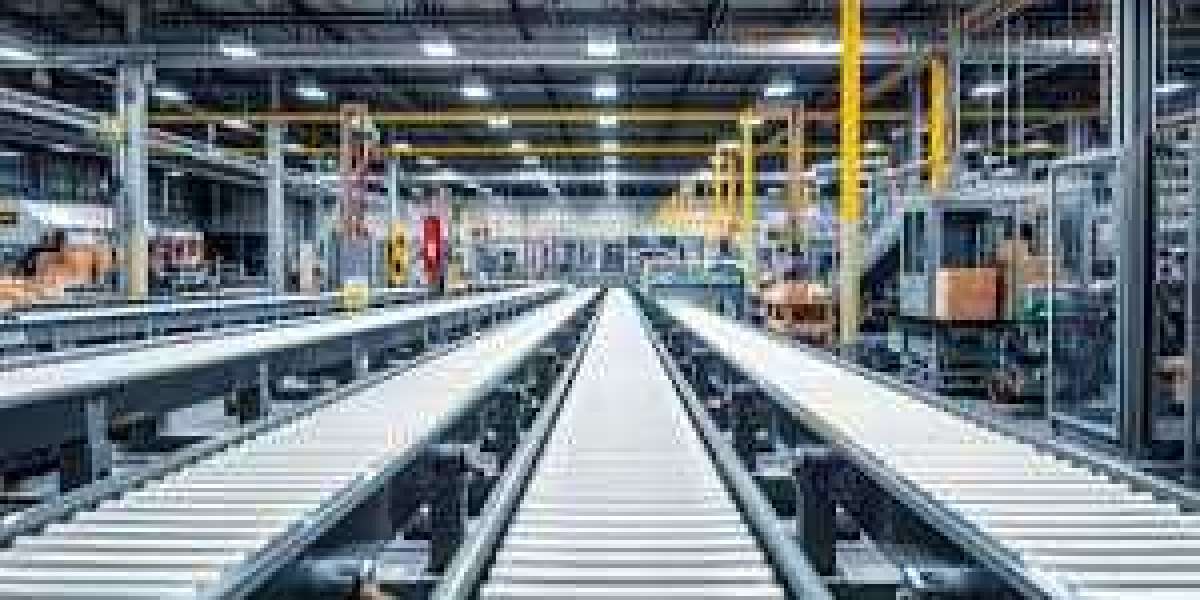

In modern industrial operations, efficiency and smooth material flow are critical to maintaining productivity and meeting production targets. One essential solution that makes this possible is the material conveyor. Material conveyors are designed to transport goods, components, or raw materials efficiently within a facility, reducing the need for manual handling. Companies like Glzon Equipment Co., Ltd develop high-quality conveyor systems that help manufacturers improve production speed, reduce labor costs, and maintain consistent workflow throughout their operations. By integrating a material conveyor into an industrial setup, businesses can enhance operational efficiency and ensure the timely delivery of products.
Understanding a Material Conveyor
A material conveyor is a mechanical system designed to move materials from one location to another within an industrial or manufacturing environment. It eliminates the need for workers to carry or transport items manually, which reduces labor and improves workflow. Conveyors are widely used in factories, warehouses, and processing plants to handle products, raw materials, and packaged goods.
Material conveyors come in various designs and sizes, allowing industries to transport different types of materials, ranging from lightweight components to heavy industrial products.
How Material Conveyors Work
Material conveyors typically consist of three main components:
- Conveyor Belt or Rollers: The platform that carries the materials.
- Motor or Drive System: Powers the movement of the conveyor.
- Supporting Frame: Provides structural stability and alignment.
When powered on, the motor drives the belt or rollers, enabling materials to move along the conveyor system. Some advanced systems are equipped with sensors, automated controls, and sorting mechanisms, allowing for precise material handling and reducing errors during production.
Types of Material Conveyors
Material conveyors are available in several types to suit specific industrial needs:
- Belt Conveyors
Belt conveyors use a continuous belt to transport products. They are ideal for moving lightweight to medium-weight items over short or long distances.
- Roller Conveyors
Roller conveyors use a series of rollers to move items. These conveyors are widely used in warehouses and assembly lines to handle boxes, cartons, and pallets.
- Chain Conveyors
Chain conveyors are designed for heavier loads and industrial materials. They use chains to move large or bulky products.
- Screw Conveyors
Screw conveyors are ideal for handling bulk materials like powders, grains, and granules. They use a rotating screw to move materials in a controlled flow.
- Overhead Conveyors
Overhead conveyors transport materials above the production floor, freeing up space and improving workflow in busy factories.
- Modular Conveyor Systems
Modular conveyors are flexible systems made from interlocking sections, allowing easy customization for specific production layouts.
Importance of Material Conveyors in Industrial Efficiency
Material conveyors play a vital role in modern manufacturing and industrial processes. They streamline the movement of materials, reduce bottlenecks, and ensure continuous workflow. By minimizing manual handling, conveyors save time and labor costs, reduce human errors, and enhance overall productivity.
Some of the key reasons why material conveyors improve industrial efficiency include:
- Continuous Material Flow: Keeps production moving without interruptions.
- Reduced Labor Requirements: Fewer workers are needed for transporting materials.
- Improved Safety: Less manual handling lowers the risk of workplace injuries.
- Faster Production Speeds: Materials reach workstations quickly, increasing output.
- Enhanced Workflow Organization: Structured material movement reduces delays and confusion.
Applications of Material Conveyors
Material conveyors are widely used across various industries to improve productivity and material handling:
Manufacturing
Conveyors transport raw materials, components, and finished products between production stages.
Food and Beverage
Conveyors move ingredients, packaged foods, and beverages through processing, packaging, and labeling stages.
Warehousing and Logistics
Conveyors help sort and transport packages efficiently within warehouses and distribution centers.
Automotive Industry
Used in assembly lines to transport vehicle parts and components, improving production speed.
Pharmaceutical Industry
Conveyors handle medicines, medical supplies, and packaging while maintaining hygiene and accuracy.
Key Benefits of Material Conveyors
Efficiency: Reduces delays in material movement, keeping production lines running smoothly.
Cost Savings: Cuts down on manual labor and associated expenses.
Accuracy: Ensures materials are delivered consistently to the right location.
Safety: Minimizes lifting and carrying heavy items, reducing workplace accidents.
Automation Integration: Compatible with smart manufacturing systems and automated production lines.
Choosing the Right Material Conveyor
When selecting a material conveyor for an industrial setup, consider the following factors:
- Type and weight of materials to be transported
- Production speed requirements
- Available floor space and layout
- Integration with existing systems
- Maintenance and durability requirements
Choosing the right system ensures optimal performance, reduces downtime, and increases overall efficiency.
Future of Material Conveyor Systems
Modern material conveyors are evolving with the integration of automation, robotics, and Industry 4.0 technologies. Advanced systems now feature sensors, IoT monitoring, automated controls, and predictive maintenance tools, allowing factories to operate smarter and more efficiently. These innovations help companies maximize production speed, reduce errors, and improve operational reliability.
Conclusion
A material conveyor is an essential component in modern industrial operations. Automating the movement of materials improves workflow efficiency, reduces manual labor, enhances safety, and increases production speed. From manufacturing and warehousing to food processing and pharmaceuticals, material conveyors play a vital role in optimizing industrial processes. As technology advances, material conveyor systems will continue to evolve, offering smarter, more efficient solutions for industrial material handling.
FAQs
- What is a material conveyor used for?
A material conveyor is used to transport materials, products, or components efficiently within a facility, reducing manual labor and maintaining smooth workflow in industrial operations.
- Which industries commonly use material conveyors?
Material conveyors are widely used in manufacturing, food processing, pharmaceuticals, automotive, logistics, and warehousing industries for efficient material handling.
- How do material conveyors improve industrial efficiency?
Material conveyors streamline material movement, reduce manual handling, speed up production, minimize errors, and maintain continuous workflow, all of which increase operational efficiency.
- What types of material conveyors are available?
Common types include belt conveyors, roller conveyors, chain conveyors, screw conveyors, overhead conveyors, and modular conveyor systems designed for various materials and production needs.
- Can material conveyors be integrated with automated systems?
Yes, modern material conveyors can be integrated with automation, sensors, and IoT systems for smart manufacturing, improving workflow monitoring, precision, and production efficiency.