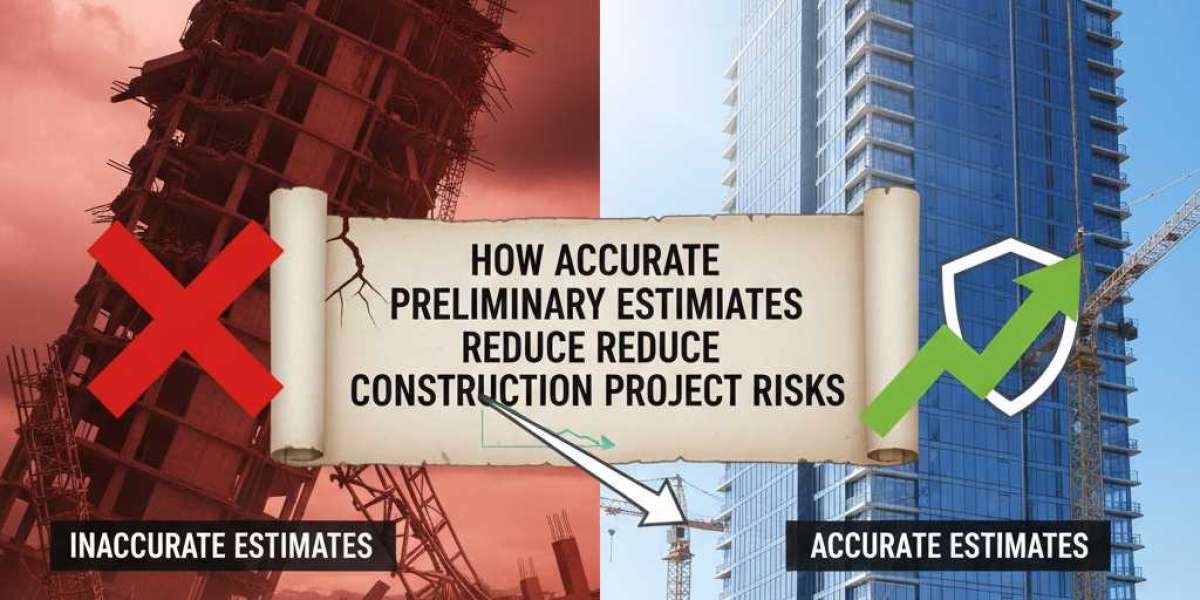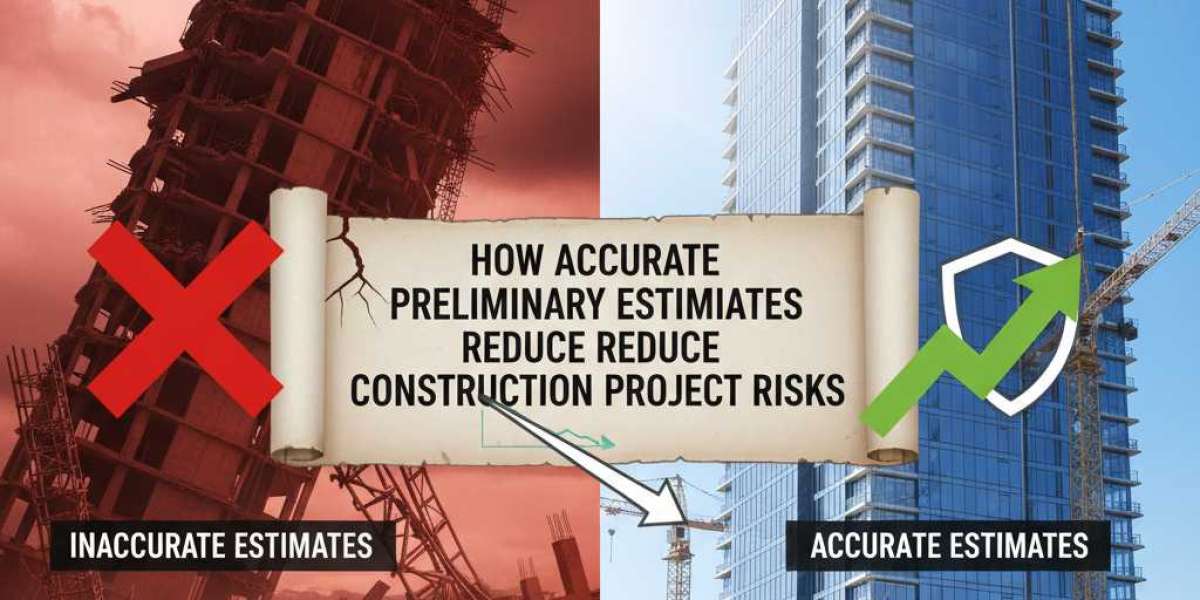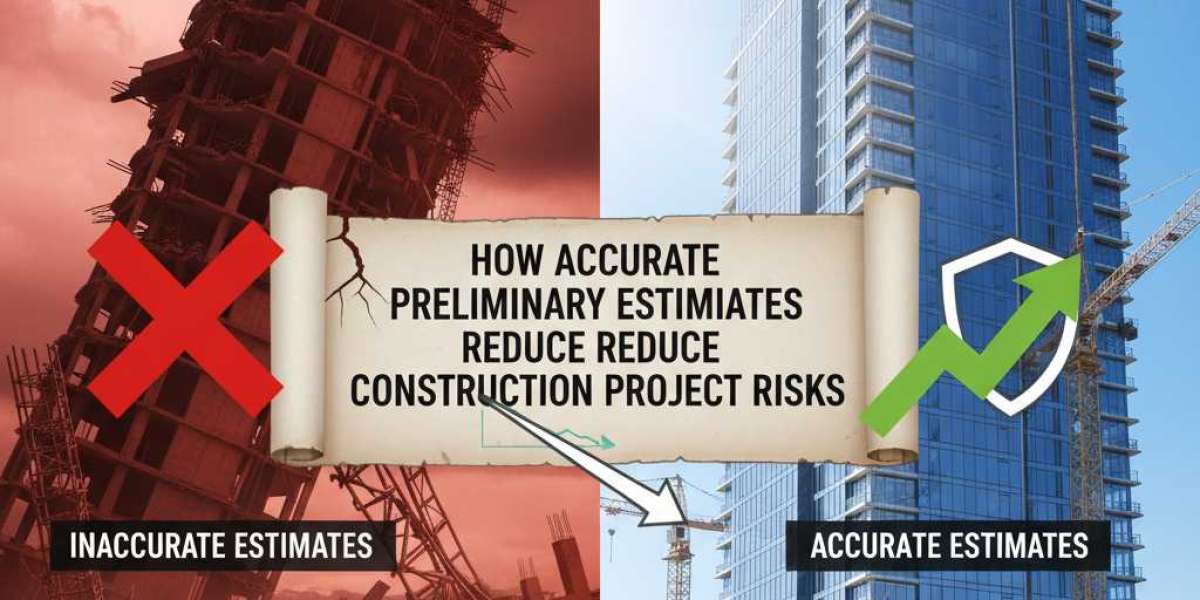

Construction projects involve complex planning, significant financial investment, and coordination between multiple stakeholders. One of the most critical steps in ensuring a successful project is creating accurate preliminary estimates. These early-stage cost projections help contractors, developers, and project managers make informed decisions before construction begins.When preliminary estimates are precise and well-researched, they minimize uncertainty, reduce financial risks, and improve project outcomes. On the other hand, inaccurate estimates can lead to budget overruns, delays, and disputes among stakeholders. In this article, we will explore how accurate preliminary estimates reduce construction project risks and why they are essential for every successful construction project.
What Are Preliminary Estimates in Construction?
Preliminary estimates are early cost predictions prepared during the initial stages of a construction project. These estimates provide an overview of the expected project cost based on available information such as design concepts, project scope, material requirements, and labor needs.Unlike detailed estimates that are prepared later in the project lifecycle, preliminary estimates focus on providing a realistic financial framework. They help stakeholders determine whether a project is feasible and whether it aligns with the available budget.
Preliminary estimates typically include.
- Material costs
- Labor expenses
- Equipment requirements
- Project duration estimates
- Site preparation costs
- Contingency allowances
By understanding these factors early, project owners can plan effectively and avoid unexpected financial challenges.
The Importance of Accurate Preliminary Estimates
Accuracy in early estimates plays a vital role in reducing uncertainty in construction projects. When project managers rely on realistic numbers instead of rough guesses, they gain better control over planning and budgeting.Accurate preliminary estimates help stakeholders evaluate project feasibility, allocate resources efficiently, and prevent costly surprises during later phases of construction. They also build confidence among investors, contractors, and clients because everyone has a clear understanding of the financial scope of the project.In addition, accurate estimates provide a strong foundation for project scheduling and procurement strategies. This ensures that materials and labor are available when needed without exceeding the planned budget.
Key Construction Risks Without Accurate Estimates
Before understanding how preliminary estimates reduce risk, it is important to recognize the common risks construction projects face when estimates are inaccurate.
Budget Overruns
One of the most common risks in construction is exceeding the planned budget. When estimates underestimate material costs, labor rates, or equipment expenses, the project may quickly run out of funds.
Project Delays
Incorrect estimates can also lead to scheduling problems. If resources are not allocated correctly or materials are underestimated, construction timelines may be disrupted.
Scope Changes
When early cost projections are unrealistic, project owners may be forced to reduce the scope of the project or make design changes to stay within budget.
Stakeholder Conflicts
Budget disagreements often lead to conflicts between contractors, project owners, and investors. Accurate estimates help maintain transparency and trust among all parties.
How Accurate Preliminary Estimates Reduce Construction Risks
Accurate preliminary estimates play a crucial role in preventing these challenges and ensuring smoother project execution. Below are several ways they reduce construction project risks.
Better Budget Planning
Accurate estimates provide a clear financial roadmap for the project. By understanding expected costs early, project owners can allocate funds appropriately and avoid unexpected expenses.This helps prevent budget shortages and allows stakeholders to plan financing strategies more effectively. With realistic projections, developers can also secure funding from lenders and investors with greater confidence.
Improved Decision-Making
During the early planning stages, many important decisions must be made regarding design, materials, and construction methods. Accurate preliminary estimates provide the financial data needed to evaluate these options.For example, if certain materials significantly increase the cost, project managers can explore alternative options that meet both performance and budget requirements.This level of insight helps decision-makers choose solutions that maximize efficiency while minimizing financial risk.
Effective Resource Allocation
Construction projects require careful coordination of labor, equipment, and materials. Accurate estimates help ensure that resources are allocated correctly from the beginning.When project managers know exactly what is required, they can schedule workers, order materials, and plan equipment usage without unnecessary delays.Efficient resource planning not only saves money but also improves overall project productivity.
Reduced Risk of Cost Overruns
Cost overruns are one of the biggest threats to construction project success. Accurate preliminary estimates reduce this risk by identifying potential cost drivers early.Estimators analyze factors such as material price fluctuations, labor availability, and site conditions to create realistic projections. This allows project managers to include contingency budgets and prepare for potential changes.As a result, projects remain financially stable even when unexpected challenges arise.
Stronger Project Scheduling
Reliable cost estimates often go hand-in-hand with realistic project timelines. When the scope and resource requirements are properly calculated, scheduling becomes more accurate.This prevents delays caused by material shortages, insufficient labor, or unexpected expenses. Accurate scheduling also improves communication between contractors, subcontractors, and suppliers.
Increased Investor Confidence
Investors and stakeholders want assurance that a project will be financially viable. Accurate preliminary estimates demonstrate professionalism, preparation, and financial transparency.When investors see detailed and realistic cost projections, they are more likely to support the project. This increases the chances of securing funding and maintaining strong partnerships throughout the construction process.
Better Risk Management Strategies
Preliminary estimates help identify potential risks before construction begins. Estimators analyze various project factors such as location, design complexity, and market conditions.By recognizing these risks early, project teams can develop strategies to mitigate them. This may include adjusting the project scope, selecting alternative materials, or planning additional contingency funds.Effective risk management ultimately leads to smoother project execution and fewer unexpected disruptions.
The Role of Professional Estimating Services
Preparing accurate preliminary estimates requires expertise, experience, and access to reliable cost data. Professional estimators analyze market trends, construction methods, and project specifications to create detailed and realistic cost projections.Many construction companies rely on professional estimating services to ensure accuracy during the early planning stages. For example, firms like Universe Estimating provide specialized cost analysis that helps contractors and developers make informed financial decisions before construction begins.These services not only improve estimate accuracy but also save valuable time and resources for project teams.
Best Practices for Creating Accurate Preliminary Estimates
To maximize the benefits of preliminary estimates, construction professionals should follow several best practices:
Use Reliable Cost Data
Accurate estimates rely on up-to-date pricing for materials, labor, and equipment.
Analyze Project Scope Carefully
Understanding the full scope of the project prevents missing important cost components.
Include Contingency Budgets
Unexpected challenges are common in construction, so contingency funds help manage potential risks.
Collaborate with Experts
Working with experienced estimators and engineers improves estimate accuracy.
Review and Update Estimates Regularly
As project details evolve, estimates should be adjusted to reflect the latest information.
Conclusion
Accurate preliminary estimates are a fundamental part of successful construction project planning. They provide a clear financial framework, improve decision-making, and help identify potential risks before construction begins.By reducing budget overruns, improving resource allocation, and strengthening project scheduling, accurate estimates significantly lower the risks associated with construction projects. They also build confidence among investors, contractors, and stakeholders, ensuring smoother collaboration throughout the project lifecycle.In today’s competitive construction industry, relying on precise and professional estimating practices is essential. When project teams prioritize accurate preliminary estimates, they create a solid foundation for efficient planning, controlled budgets, and successful project completion.