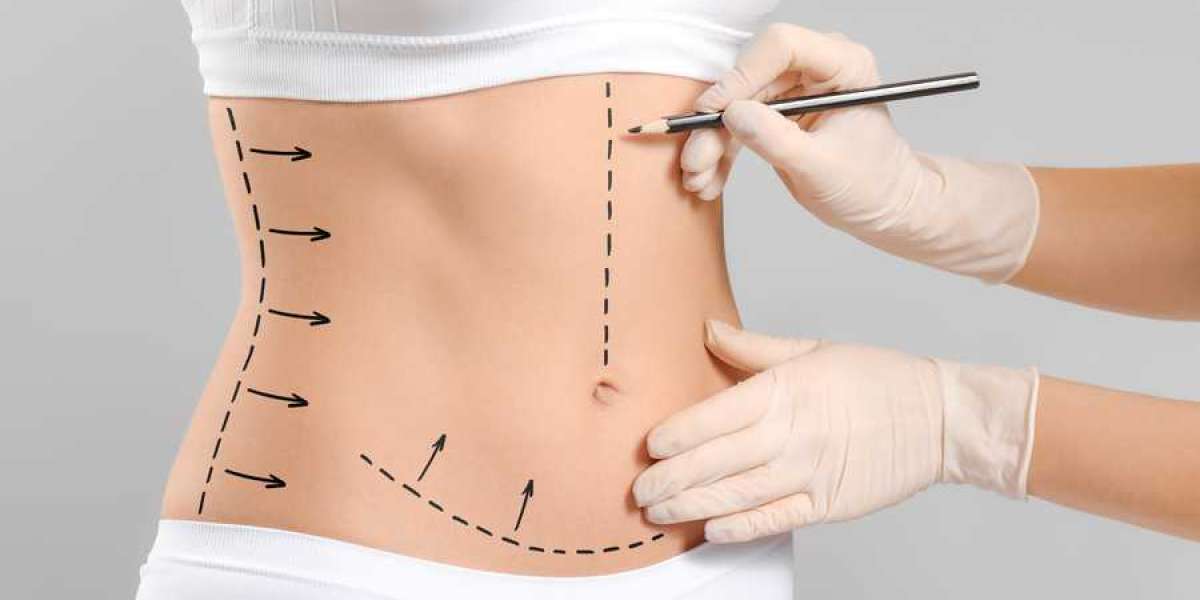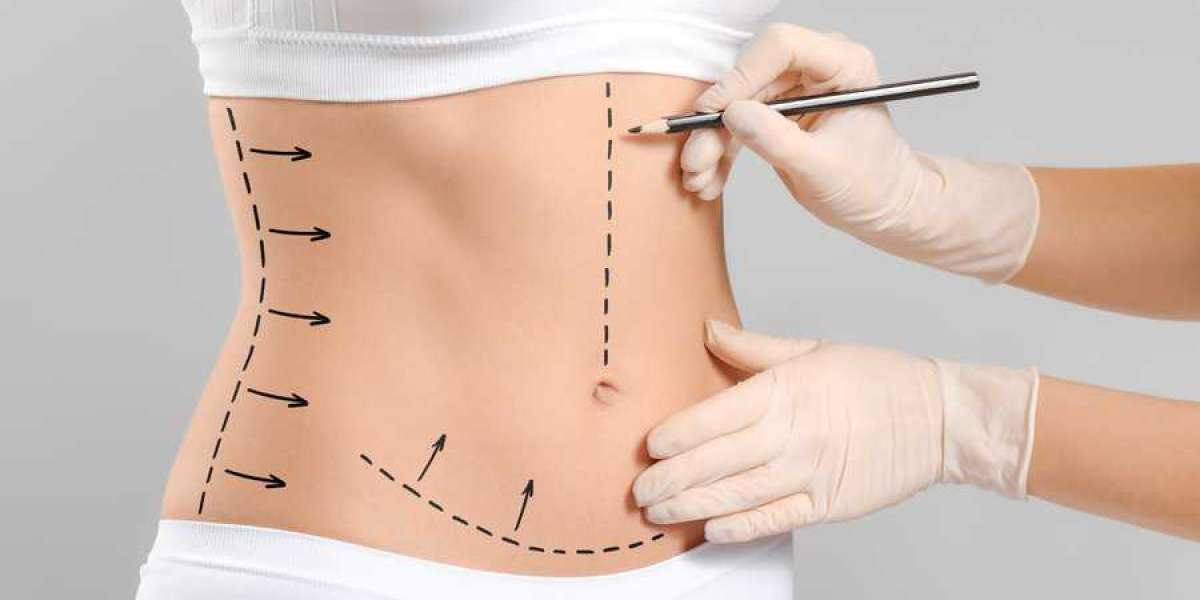

Liposuction is a popular cosmetic procedure for removing stubborn fat and sculpting the body. Liposuction in Riyadh has helped many residents achieve more defined body contours, but the procedure alone does not guarantee long-term results. Maintaining the outcomes requires adopting healthy lifestyle changes after surgery. Understanding how to care for your body post-procedure is crucial for ensuring lasting benefits and overall well-being.
This guide explains the key lifestyle changes to adopt after liposuction, including diet, exercise, hydration, and overall health practices, helping you maintain your new body contours effectively.
Importance of Lifestyle Changes After Liposuction
While liposuction physically removes fat cells, lifestyle habits determine how well results are maintained. Without healthy practices, remaining fat cells may enlarge, affecting body contours. Adopting proper habits post-liposuction can:
Preserve and enhance results
Improve overall health and energy
Support faster recovery
Boost self-confidence and body satisfaction
Dietary Changes
A balanced diet is essential after liposuction to maintain weight and promote healing.
Focus on Nutritious Foods
Fruits and vegetables: Provide essential vitamins, minerals, and antioxidants that aid recovery
Lean proteins: Support tissue repair and muscle maintenance (e.g., fish, chicken, legumes)
Whole grains: Offer fiber for digestion and long-term satiety
Limit Processed and Sugary Foods
Avoid excessive sugar, fried foods, and refined carbs
Reduce high-sodium foods to minimize swelling
Portion Control
Eat moderate portions to prevent weight gain
Include smaller, frequent meals if needed to maintain energy levels
Proper nutrition helps your body recover efficiently and keeps your results looking natural.
Exercise and Physical Activity
Exercise is key to maintaining the results of Liposuction in Riyadh.
Post-Procedure Guidelines
Early recovery: Engage in light walking to improve circulation and reduce swelling
Weeks 2–4: Gradually reintroduce low-impact exercises like yoga or cycling
After 4–6 weeks: Resume more intense workouts, including resistance training and cardio, as approved by your provider
Benefits of Regular Exercise
Maintains stable body weight
Enhances muscle tone and definition
Supports metabolism and overall energy
Improves cardiovascular health
Consistency in physical activity ensures that fat deposits do not return and helps you enjoy long-lasting results.
Hydration
Staying hydrated after liposuction is essential for recovery and overall health.
Tips for Proper Hydration
Drink at least 8–10 glasses of water daily
Limit sugary drinks and caffeine, which can dehydrate the body
Herbal teas and water-rich fruits like watermelon can supplement hydration
Hydration also helps flush out toxins, reduce swelling, and support skin elasticity.
Skin Care and Compression Garments
Proper care of your skin and wearing recommended garments improves outcomes.
Compression Garments
Support treated areas and reduce swelling
Help skin adhere smoothly to new contours
Usually worn for several weeks, based on your provider’s instructions
Skin Care
Moisturize treated areas to maintain elasticity
Avoid excessive sun exposure to minimize scarring
Gentle massage may be recommended to improve circulation and reduce firmness
Maintaining a Healthy Weight
Weight fluctuations can affect the results of liposuction.
Tips for Long-Term Maintenance
Monitor body weight regularly
Avoid crash diets or extreme restrictions
Maintain consistent eating habits and physical activity
By keeping weight stable, the fat cells that remain in the body are less likely to enlarge, ensuring your liposuction results remain visible.
Mental and Emotional Well-Being
Cosmetic procedures like liposuction can also impact mental and emotional health.
Practices to Support Well-Being
Set realistic expectations and celebrate progress
Practice stress-reducing activities such as meditation or light exercise
Surround yourself with supportive friends and family
Positive mental habits help you stay motivated to maintain your lifestyle changes and enjoy the results.
Follow-Up Care
Regular follow-up appointments with your provider are essential to track recovery and address any concerns.
Attend all scheduled check-ups
Report any unusual swelling, pain, or skin changes promptly
Ask for guidance on lifestyle adjustments and exercise routines
Follow-up care ensures safe recovery and reinforces long-term maintenance strategies.
Summary of Key Lifestyle Changes
| Area | Recommended Practices | Benefits |
|---|---|---|
| Diet | Balanced meals, lean proteins, fruits, vegetables, limited processed foods | Supports healing, maintains weight |
| Exercise | Light activity initially, gradual progression to cardio/resistance | Preserves results, boosts metabolism |
| Hydration | 8–10 glasses of water daily | Reduces swelling, promotes skin elasticity |
| Skin Care | Moisturize, sun protection, massage if advised | Smooths contours, prevents scarring |
| Weight Maintenance | Monitor weight, consistent healthy habits | Prevents fat accumulation |
| Emotional Health | Stress management, realistic goals | Motivation and long-term adherence |
Frequently Asked Questions (FAQs)
1. How soon can I start exercising after liposuction?
Light activity, such as walking, is usually recommended within the first few days. More intensive workouts can typically resume after 4–6 weeks, based on your provider’s advice.
2. Do I need to follow a special diet after liposuction?
Yes. A balanced diet rich in fruits, vegetables, lean proteins, and whole grains supports healing and helps maintain results.
3. How long should I wear compression garments?
Compression garments are usually worn for several weeks, depending on the treatment area and your provider’s instructions.