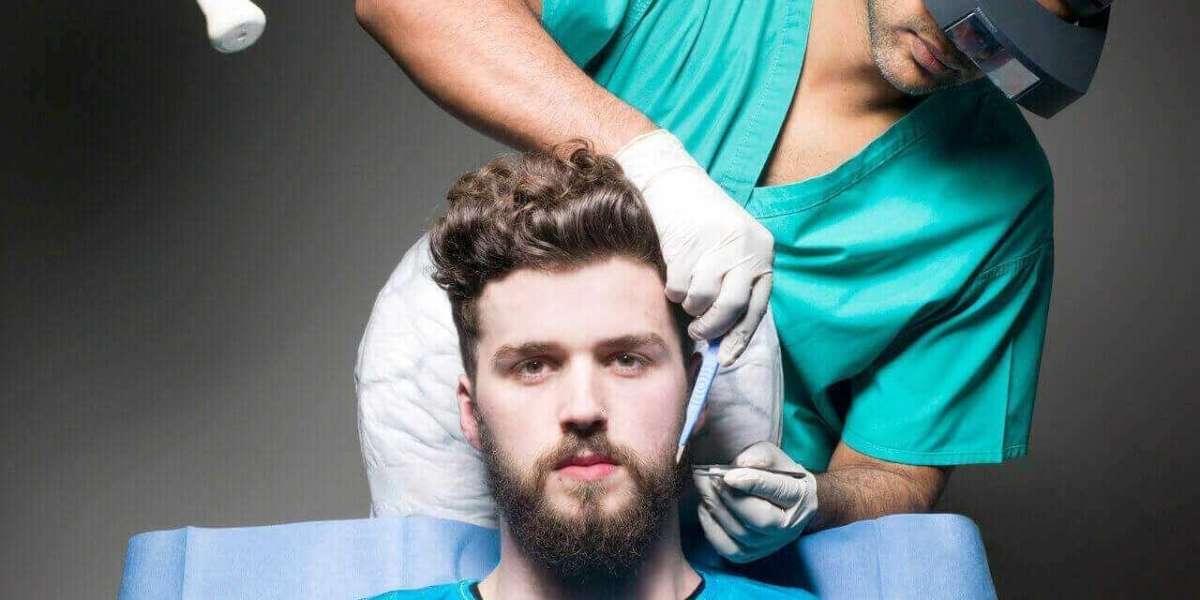

Facial hair plays a significant role in defining a man’s style and confidence. However, not everyone can naturally grow a full, dense beard. A beard hair transplant in Riyadh provides an effective solution for men looking to enhance their facial hair. Two primary techniques are used for beard restoration: Follicular Unit Extraction (FUE) and Follicular Unit Transplantation (FUT). Understanding the differences between these methods is crucial for selecting the approach best suited to your needs and expectations.
Introduction
Beard restoration has advanced significantly in recent years, offering natural-looking results for men with patchy or sparse facial hair. The choice between FUE and FUT techniques depends on several factors, including hair density, donor area availability, recovery time, and personal preferences. Each method has its unique process, benefits, and limitations. This guide explores the differences between FUE and FUT for beard restoration and what men can expect during and after the procedure.
Overview of FUE and FUT Techniques
Follicular Unit Extraction (FUE)
FUE is a minimally invasive procedure in which individual hair follicles are extracted directly from the donor area, usually the back or sides of the scalp. Key characteristics include:
No linear scar: Only tiny, dot-like scars remain, which are usually invisible.
Faster recovery: Minimal tissue trauma allows for quicker healing.
Flexibility: Follicles can be extracted from multiple areas for optimal results.
FUE is popular for patients who prefer shorter hairstyles or wish to minimize visible scarring.
Follicular Unit Transplantation (FUT)
FUT, also known as the strip method, involves removing a thin strip of scalp from the donor area, from which individual follicles are dissected and prepared for transplantation. Key characteristics include:
Linear scar: A small scar remains at the donor site, which can be concealed by surrounding hair.
Higher graft yield: FUT can harvest a larger number of follicles in a single session.
Traditional method: This technique has been used successfully for decades with proven results.
FUT is often chosen for patients needing a significant number of grafts or those who do not mind concealing the donor site scar.
Procedure Differences
1. Harvesting Hair
FUE: Individual follicles are extracted using a micro-punch tool, causing minimal trauma to surrounding tissue.
FUT: A strip of scalp is surgically removed and dissected into individual follicular units under a microscope.
2. Implantation Process
Both techniques use a similar implantation process, where extracted follicles are placed into the target beard area at natural angles to achieve a realistic appearance. However, FUE allows for more precise placement due to the ability to choose individual follicles from different parts of the donor area.
3. Duration of the Procedure
FUE: Typically longer because each follicle is extracted individually.
FUT: Can be shorter for large sessions since multiple grafts are obtained from a single strip.
Recovery and Healing
Recovery differs between FUE and FUT:
FUE Recovery:
Minimal discomfort and faster healing.
Tiny dot-like marks fade within a few days.
Patients can often resume normal activities quickly.
FUT Recovery:
Longer healing time due to the linear incision.
Suture removal may be required after 7-10 days.
Scar can be concealed with longer hair or styling.
Scarring and Aesthetics
FUE: Leaves virtually invisible dot-like scars, making it ideal for men who wear short hairstyles or prefer minimal visible scarring.
FUT: Leaves a linear scar, which is usually hidden by hair but may limit very short hairstyles in the donor area.
Scarring is a significant factor when choosing between these techniques, especially for men concerned about appearance.
Graft Quality and Density
FUE: Allows selective harvesting of strong, healthy follicles, which can result in natural-looking growth.
FUT: Provides a higher quantity of follicles in a single session, making it suitable for extensive beard restoration or dense beard styles.
Both methods produce natural results when performed by an experienced surgeon, but the choice may depend on the number of grafts needed and patient preferences.
Pain and Discomfort
FUE: Generally causes less postoperative pain due to minimal tissue trauma.
FUT: Slightly more discomfort may be experienced due to the linear incision, though it is manageable with prescribed pain relief.
Patients often choose FUE for a more comfortable experience, especially for smaller transplant areas.
Cost Considerations
While this article does not discuss specific prices, it’s worth noting:
FUE procedures may be slightly more expensive due to the longer extraction time and precision involved.
FUT can be cost-effective for larger sessions because more grafts are obtained in one strip.
Financial considerations may influence technique choice, but the focus should remain on achieving natural, lasting results.
Ideal Candidates for Each Technique
FUE Candidates
Men who prefer shorter hairstyles and minimal scarring.
Individuals with smaller areas of patchy beard hair.
Patients seeking faster recovery times.
FUT Candidates
Men requiring a large number of grafts for extensive beard restoration.
Patients who do not mind a linear scar in the donor area.
Those looking for a more traditional method with proven results over decades.
Your surgeon can help determine which technique best suits your beard restoration goals, hair type, and lifestyle.
FAQs About FUE vs. FUT for Beard Transplants
1. Which technique looks more natural?
Both FUE and FUT produce natural results when performed by an experienced surgeon. FUE may offer slightly more flexibility for precise placement.
2. Can FUE be used for large beard areas?
Yes, FUE can cover large areas, but it may require longer procedure time compared to FUT.
3. Which technique heals faster?
FUE generally has a faster recovery due to minimal tissue trauma.
4. Will FUT leave a noticeable scar?
FUT leaves a linear scar, but it is usually concealed by surrounding hair.
5. Is one method more painful than the other?
FUE tends to cause less discomfort post-procedure, while FUT may involve slightly more soreness due to the incision.
6. Can both techniques be combined?
In some cases, surgeons may combine FUE and FUT for optimal results, especially for extensive beard restoration.
7. How long until I see full beard growth?
Regardless of technique, full results are typically visible within 8-12 months as transplanted hair goes through the natural growth cycle.
Choosing the Right Technique
Selecting between FUE and FUT for a beard hair transplant in Riyadh depends on several factors:
Desired beard style and density
Donor hair availability and quality
Healing time and lifestyle considerations
Concern for visible scarring
A thorough consultation with a qualified surgeon ensures the chosen technique aligns with personal goals and maximizes natural results.
Conclusion
Both FUE and FUT techniques provide effective solutions for beard restoration, each with unique advantages and considerations. FUE offers minimal scarring, faster recovery, and precise follicle placement, while FUT delivers a higher graft yield, making it suitable for larger restoration projects. Understanding the differences between these methods helps patients make informed decisions and achieve the full, natural beard they desire. For expert guidance and professional care during your beard restoration journey, Aesthetic Clinic Riyadh offers tailored solutions and experienced support for optimal results.