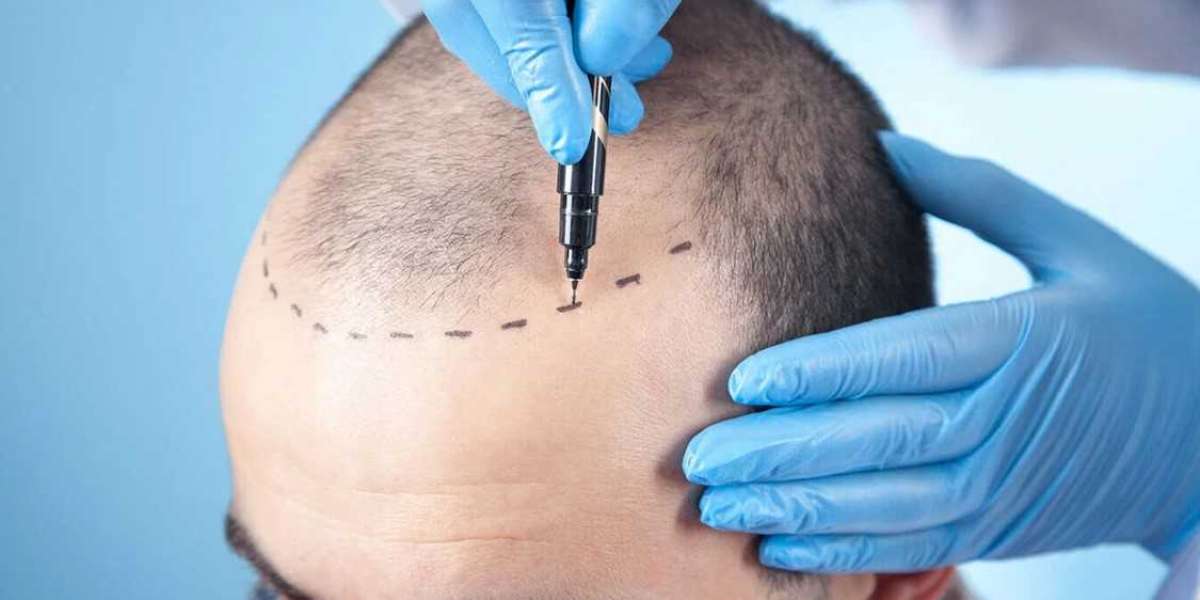

Hair transplantation has become an increasingly popular solution for hair loss worldwide, yet many myths and misconceptions continue to surround the procedure. These myths can create unnecessary fears or unrealistic expectations, deterring individuals from pursuing a treatment that could significantly improve their confidence and appearance. Understanding the truth about hair transplantation helps patients make informed decisions and approach the procedure with realistic expectations.
If you are experiencing hair loss, exploring hair transplant in Dammam can be an effective way to restore natural hair and confidence.
One common myth is that hair transplantation provides instant results. Many people assume that once the surgery is completed, the patient will immediately have a full head of hair. In reality, hair transplantation is a gradual process. After the follicles are transplanted, the hair usually goes through a temporary shedding phase, often called “shock loss,” within the first few weeks. This shedding is normal and part of the natural growth cycle. New hair growth generally begins after three to four months, with significant improvements visible around six to nine months. Full results, including natural density and coverage, are usually appreciated after approximately one year. Patients must understand this timeline to avoid disappointment or the misconception that the procedure has failed.
Another prevalent myth is that hair transplantation is only suitable for men. While male-pattern baldness is more widely recognized, hair transplantation is also effective for women experiencing thinning hair or hair loss due to hormonal changes, stress, or medical conditions. Female patients may require a slightly different approach, often focusing on increasing density rather than reconstructing a hairline, but the procedure can deliver natural-looking and permanent results for both genders.
A widespread misconception is that hair transplantation leaves visible scars. While older techniques such as Follicular Unit Transplantation (FUT) may leave a linear scar at the donor site, modern methods like Follicular Unit Extraction (FUE) are minimally invasive and leave tiny dot-like scars that are virtually unnoticeable. Skilled surgeons ensure that any scarring is placed strategically, often concealed by surrounding hair. The notion that hair transplantation will leave obvious scars is largely outdated and does not reflect advancements in surgical techniques and technology.
Some people believe that transplanted hair requires special maintenance or artificial treatments to survive. In truth, once transplanted follicles take root, they behave like natural hair. Regular hair care routines such as gentle washing, proper nutrition, and avoiding excessive heat or harsh chemicals are sufficient to maintain healthy hair. There is no need for special shampoos, medications, or ongoing treatments specifically for the transplanted hair, although patients may choose supportive treatments like vitamins or PRP therapy to enhance overall hair health.
A further myth is that hair transplantation can prevent future hair loss entirely. While transplanted hair follicles are generally resistant to hormonal hair loss and will continue to grow, the procedure does not stop hair loss in non-transplanted areas. Individuals with progressive baldness may require additional sessions in the future or complementary treatments such as medications to preserve existing hair. Understanding this distinction is important to set realistic expectations and plan for long-term hair management.
Some believe that hair transplantation is extremely painful. Although discomfort during the procedure is possible, modern hair transplants are performed under local anesthesia, which minimizes pain. Post-operative soreness is usually mild and manageable with prescribed pain relievers. The perception of severe pain is largely exaggerated and often based on outdated practices or anecdotal reports.
There is also a myth that hair transplantation is only suitable for younger individuals. While it is true that candidates should have sufficient donor hair, age alone is not a limiting factor. People in their 40s, 50s, or even older can benefit from hair transplantation, provided they have realistic expectations and adequate donor hair. The procedure can improve self-confidence and overall appearance regardless of age.
Finally, some assume that hair transplantation results look artificial or “pluggy.” Early techniques did sometimes result in unnatural hairlines, but modern methods focus on the natural direction, angle, and density of hair growth. Skilled surgeons meticulously plan the placement of each follicle, ensuring that transplanted hair blends seamlessly with existing hair. When performed correctly, hair transplantation delivers results that are virtually indistinguishable from natural hair, debunking the myth of an artificial appearance.
In conclusion, hair transplantation is surrounded by myths that often exaggerate pain, recovery time, and limitations while downplaying the effectiveness and safety of modern techniques. It does not provide instant results, prevent future hair loss in untouched areas, or require special ongoing maintenance. Both men and women can benefit from the procedure, and modern surgical methods minimize scarring and create natural-looking outcomes. Understanding and debunking these myths is essential for anyone considering hair restoration, as it promotes realistic expectations, reduces unnecessary anxiety, and highlights the true potential of hair transplantation to restore not only hair but also confidence and quality of life.