
Riyadh’s climate plays a significant role in skincare, particularly after undergoing treatments like chemical peels. Riyadh is known for its extreme heat, low humidity, and high sun exposure, which can have both immediate and long-term effects on the skin. Understanding how the weather interacts with your skin after a chemical peel is crucial for maximizing results, preventing complications, and maintaining a healthy, glowing complexion.
Chemical Peels in Riyadh are a popular skincare solution for achieving smoother, brighter, and more youthful-looking skin.
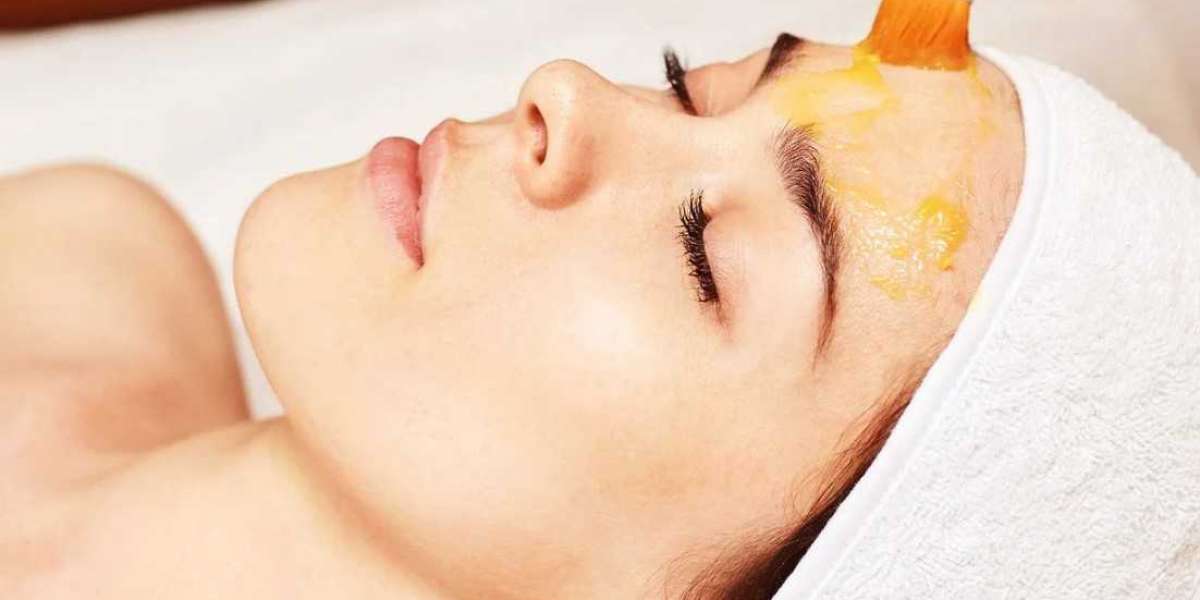
Chemical peels involve applying a controlled chemical solution to exfoliate damaged outer layers of the skin, stimulating regeneration and collagen production. The newly revealed skin is sensitive and more vulnerable to environmental stressors, making post-peel care even more important in harsh climates like Riyadh.
Impact of High Temperatures
Riyadh experiences intense heat, particularly during the summer months, with daytime temperatures often exceeding 40°C (104°F). Heat increases blood circulation to the skin, which can exacerbate redness and inflammation after a peel. Immediately following treatment, it is common to experience temporary redness, swelling, and mild discomfort. Exposure to high temperatures can intensify these reactions, potentially prolonging the healing process.
In addition, heat stimulates oil production in the skin. While this is generally a natural mechanism to protect the skin, excessive oil combined with peeling skin can lead to clogged pores or minor breakouts if proper cleansing and care are not maintained. Therefore, gentle cleansing and hydration become especially critical in Riyadh’s hot environment.
Low Humidity and Dryness
Another characteristic of Riyadh’s climate is low humidity, which can contribute to rapid moisture loss from the skin. After a chemical peel, the skin’s natural barrier is temporarily compromised, making it prone to dryness, tightness, and flaking. In a dry climate, these effects can be more pronounced and uncomfortable. Moisturizing the skin with gentle, hydrating creams or serums immediately after the peel helps restore the skin barrier, reduce tightness, and support the natural healing process.
Using humidifiers indoors or avoiding prolonged exposure to air-conditioned environments can also help maintain moisture levels. Hydrating from within by drinking plenty of water supports skin recovery and helps prevent excessive dryness.
Sun Exposure and UV Sensitivity
Riyadh’s strong sun exposure is one of the most critical factors affecting skin after a chemical peel. UV radiation can penetrate the skin more easily after a peel because the outer protective layer has been exfoliated. This increases the risk of sunburn, hyperpigmentation, and long-term damage. Even light peels can leave the skin highly sensitive to sunlight, while medium and deeper peels require more careful sun avoidance.
Wearing broad-spectrum sunscreen with a high SPF is essential after a peel. Physical barriers like wide-brimmed hats, sunglasses, and protective clothing further reduce direct UV exposure. Skipping these precautions can not only compromise the results of the peel but also lead to lasting pigmentation issues, which are harder to treat later.
Dust and Environmental Pollutants
Riyadh’s desert environment means the city is often exposed to dust, sandstorms, and airborne pollutants. After a chemical peel, the skin is more susceptible to irritation from environmental particles. Dust can exacerbate redness, clog pores, and delay healing. Simple measures such as avoiding outdoor exposure during sandstorms, gently washing the face twice daily, and using protective skincare products help minimize these risks.
Sweating and Physical Activity
High temperatures also encourage sweating, which can irritate sensitive post-peel skin. Sweat contains salts and oils that may increase stinging, itching, or inflammation on freshly treated skin. During the recovery period, it is advisable to limit strenuous outdoor activity, especially during peak heat hours. Cool, shaded areas and light physical activity indoors can help maintain comfort while promoting gentle circulation without stressing the healing skin.
Timing and Seasonal Considerations
Due to Riyadh’s climate extremes, the timing of chemical peels can influence recovery and outcomes. Many dermatologists recommend scheduling peels during cooler months or planning sessions during periods when sun exposure can be minimized. This allows the skin to heal with less environmental stress, enhancing results and reducing the risk of complications.
Long-Term Skin Care Post-Peel in Riyadh
Maintaining the benefits of a chemical peel in Riyadh requires ongoing attention to the climate’s challenges. Consistent sun protection, moisturizing, gentle cleansing, and avoiding extreme heat or dusty conditions are essential. Additionally, integrating antioxidant serums and barrier-repair creams into the skincare routine can help the skin resist environmental damage while supporting long-term radiance.
Conclusion
Riyadh’s hot, dry, and sun-intensive climate significantly impacts skin after a chemical peel. High temperatures, low humidity, strong UV radiation, dust, and sweating all pose challenges to the sensitive, regenerating skin. By understanding these factors and implementing careful aftercare—such as sun protection, hydration, gentle cleansing, and environmental awareness—patients can maximize the benefits of their chemical peel. Proper preparation and post-treatment care allow the skin to heal safely, revealing smoother, brighter, and healthier-looking skin, even in Riyadh’s dem