
Healthy vs Unhealthy Gums: Symptoms and Care Tips
When people think about oral health, they often focus on their teeth. However, healthy gums are just as important. Gums protect the roots of your teeth, support the jawbone, and act as a barrier against bacteria. Understanding the differences between healthy vs unhealthy gums can help you recognize early symptoms and take the right steps to maintain strong oral health.
In this guide, we will explore the symptoms of both healthy and unhealthy gums, the causes of gum problems, and practical care tips to keep your gums in excellent condition.
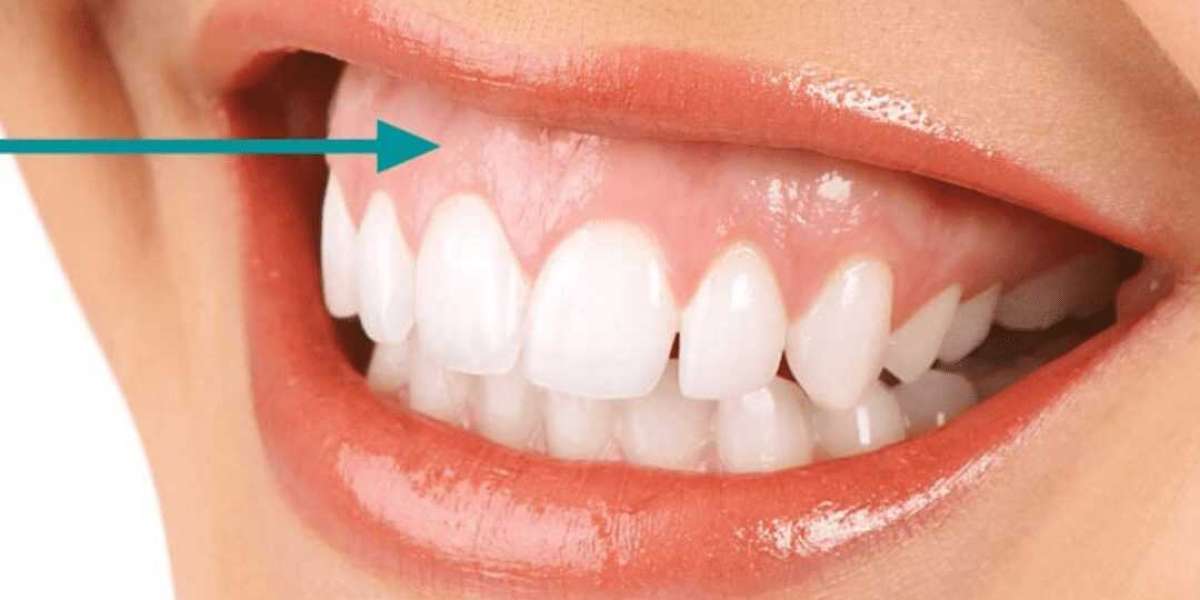
What Do Healthy Gums Look and Feel Like?
In this guide, we’ll explore the key differences between healthy vs unhealthy gums, examining their causes, symptoms, and the best ways to maintain optimal gum health.
1. Light Pink Color
Healthy gums are generally light pink, although natural pigmentation can vary depending on genetics. The key factor is that the color should be even, without red or dark inflamed areas.
2. Firm and Tight Around Teeth
Healthy gums fit snugly around each tooth. They create a protective seal that prevents bacteria from reaching deeper tissues and bone.
3. No Bleeding
Gums should not bleed during brushing or flossing. Occasional minor irritation can happen if you brush too hard, but consistent bleeding is not normal.
4. No Swelling or Pain
Healthy gums are not swollen, tender, or painful. Daily activities like eating and brushing should feel comfortable.
If your gums meet these standards, it is a good indication that your oral care routine is effective.
Symptoms of Unhealthy Gums
Unhealthy gums typically develop when plaque builds up along the gumline. If not removed, plaque hardens into tartar, leading to irritation and infection. Recognizing symptoms early can prevent more serious complications.
1. Redness and Inflammation
One of the earliest signs of unhealthy gums is redness. Inflamed gums may appear darker than usual and feel tender.
2. Bleeding During Brushing or Flossing
Frequent bleeding is often a sign of gingivitis, the earliest stage of gum disease. Many people ignore bleeding gums, but it should always be taken seriously.
3. Swelling or Puffiness
Unhealthy gums may look swollen or enlarged. They may also feel soft instead of firm.
4. Gum Recession
As gum disease progresses, the gums may pull away from the teeth, exposing more of the tooth surface. This can lead to tooth sensitivity and increased risk of decay.
5. Persistent Bad Breath
Bacteria trapped beneath the gumline can cause chronic bad breath that does not improve with brushing alone.
6. Loose Teeth
In advanced cases, gum disease can damage the bone that supports teeth, leading to looseness or even tooth loss.
Common Causes of Gum Problems
Understanding what leads to unhealthy gums can help you prevent them.
Poor Oral Hygiene
Not brushing and flossing regularly allows plaque to accumulate, which irritates the gums and leads to infection.
Smoking and Tobacco Use
Tobacco reduces blood flow to gum tissues and weakens the immune system, increasing the risk of gum disease.
Hormonal Changes
Pregnancy, puberty, and menopause can make gums more sensitive and prone to inflammation.
Medical Conditions
Diabetes and immune disorders can increase susceptibility to gum infections.
Poor Nutrition
A lack of essential nutrients, especially vitamin C, can weaken gum tissue and delay healing.
Why Gum Health Matters
Ignoring unhealthy gums can result in serious dental and health consequences. Gingivitis can progress to periodontitis, a more severe form of gum disease that damages bone and connective tissue. This may ultimately lead to tooth loss.
Research also suggests links between gum disease and overall health conditions such as heart disease and diabetes. Maintaining healthy gums is not only about preserving your smile—it also supports overall well-being.
Care Tips for Healthy Gums
Preventing gum disease requires consistent and proper oral care. Here are essential tips to maintain healthy gums:
Brush Twice Daily
Use a soft-bristled toothbrush and fluoride toothpaste. Brush gently along the gumline to remove plaque without causing irritation.
Floss Daily
Flossing removes plaque and food particles from between teeth where brushes cannot reach. This step is crucial for preventing gum disease.
Use an Antibacterial Mouthwash
A therapeutic mouthwash can help reduce bacteria and freshen breath, offering additional protection.
Visit Your Dentist Regularly
Professional cleanings remove tartar buildup that cannot be eliminated by brushing alone. Regular checkups also allow early detection of gum issues.
Maintain a Balanced Diet
Eat foods rich in vitamins and minerals to strengthen your immune system and support gum tissue health.
Avoid Tobacco Products
Quitting smoking significantly reduces the risk of gum disease and improves healing.
When to Seek Professional Help
You should schedule a dental appointment if you notice:
- Persistent bleeding gums
- Swollen or painful gums
- Gum recession
- Loose teeth
- Ongoing bad breath
Early treatment can reverse gingivitis and prevent more severe complications.
Final Thoughts
Understanding the differences between healthy vs unhealthy gums is essential for long-term oral health. Healthy gums are pink, firm, and free from pain or bleeding. Unhealthy gums often show symptoms such as redness, swelling, bleeding, and sensitivity.
Understanding the differences between healthy vs unhealthy gums is essential for maintaining long-term oral health. As emphasized by Dental Advice Today, healthy gums are pink, firm, and free from bleeding or pain. In contrast, unhealthy gums often show signs of redness, swelling, bleeding, and sensitivity, which should never be ignored.