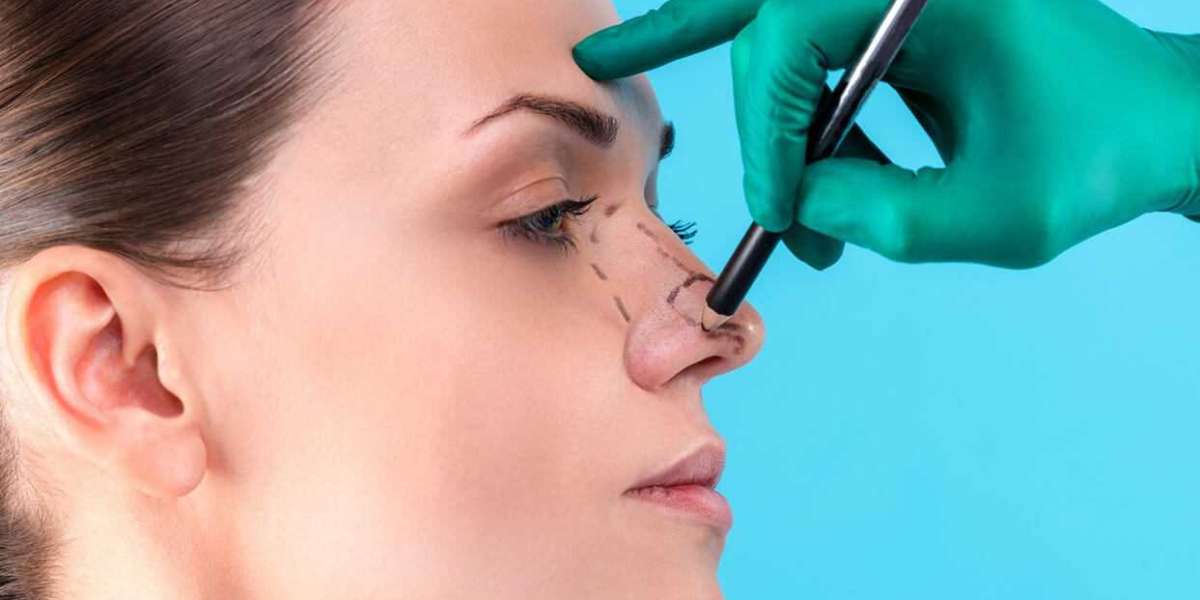

Proper post-surgery skincare and lifestyle practices are essential for achieving optimal results after rhinoplasty. While the surgery itself reshapes the nose and may improve breathing, the body’s healing process plays a critical role in determining the final outcome. Patients in Riyadh and around the world often focus on the cosmetic and functional benefits of rhinoplasty, but recovery is equally important. By following careful skincare routines and healthy lifestyle habits, patients can minimize complications, reduce swelling, support tissue healing, and maintain long-term results.
Rhinoplasty in Riyadh has become increasingly popular as more people seek to enhance both the appearance and function of their nose.
1. Understanding the Healing Process
Rhinoplasty involves precise manipulation of the bone, cartilage, and soft tissue of the nose. The body responds with inflammation, swelling, and bruising, which are natural parts of the healing process. While external swelling usually decreases within a few weeks, internal healing continues for several months. Skin, in particular, requires gentle care, as it covers the reshaped nasal structure and may be sensitive or dry following surgery.
Understanding the healing timeline is critical. Most patients experience noticeable improvement in swelling after two to three weeks, but subtle changes may continue for up to a year. During this period, proper skincare and lifestyle choices significantly influence the speed and quality of recovery.
2. Post-Surgery Skincare Tips
Gentle Cleansing:
The skin around the nose may be tender or bruised after surgery. Use a mild, fragrance-free cleanser to wash your face without putting pressure on the nose. Avoid scrubbing or massaging the area, as this can disrupt healing tissues and sutures.
Moisturizing:
Dryness and flaking are common post-surgery due to swelling, reduced circulation, and environmental factors. Apply a gentle, non-comedogenic moisturizer to keep the skin hydrated. Proper hydration helps maintain skin elasticity and supports the healing of incisions or bruised areas.
Sun Protection:
Protecting the skin from UV exposure is crucial after rhinoplasty. Sunlight can worsen swelling, cause hyperpigmentation, and interfere with the healing of incisions. Patients should use a broad-spectrum sunscreen with at least SPF 30 and wear hats or scarves when outdoors. Sun protection is especially important in Riyadh, where sunlight can be intense.
Avoid Harsh Skincare Products:
Post-surgery, the skin is more sensitive to chemicals and active ingredients. Avoid products containing retinoids, alpha-hydroxy acids, or strong exfoliants until the surgeon confirms it is safe to resume regular skincare. These products can irritate healing tissue or interfere with incision recovery.
Ice and Cold Compresses:
Applying cold compresses in the first 24 to 48 hours can help reduce swelling and discomfort. Be careful not to apply ice directly to the skin—use a soft cloth or compress to avoid frostbite or pressure on the surgical site.
3. Lifestyle Tips for Optimal Recovery
Sleep and Rest:
Adequate rest is essential for healing. Elevate the head during sleep using extra pillows to reduce swelling and prevent fluid accumulation. Avoid sleeping on the side or stomach to protect the nose from accidental pressure. Quality sleep supports tissue repair, immune function, and overall recovery.
Healthy Diet:
Nutrition plays a crucial role in healing. A protein-rich diet supports tissue repair, while vitamins and minerals like vitamin C, zinc, and vitamin A enhance collagen production and immune response. Avoid excessive salt, as it can increase fluid retention and swelling. Hydration is equally important, so drink plenty of water throughout the day.
Avoid Smoking and Alcohol:
Smoking restricts blood flow and oxygen delivery to healing tissues, delaying recovery and increasing the risk of complications. Alcohol can thin the blood, contribute to swelling, and interfere with medication. Patients should avoid smoking and alcohol for several weeks after surgery to optimize healing.
Physical Activity:
Light activity, such as walking, is generally encouraged to improve circulation, but strenuous exercise, heavy lifting, or contact sports should be avoided for at least three to six weeks, or as advised by the surgeon. Sudden impact or excessive movement can disrupt the healing nose and increase swelling or bruising.
Protect the Nose:
Patients should avoid wearing glasses or sunglasses directly on the bridge of the nose for several weeks, as pressure can interfere with healing. Protective headgear may be necessary in certain environments to prevent accidental trauma.
4. Emotional and Psychological Care
Post-operative recovery can be emotionally challenging. Swelling, bruising, or temporary asymmetry may cause anxiety or impatience. Maintaining a positive mindset, practicing stress-reducing techniques such as meditation, and seeking support from family or friends can improve overall recovery. Confidence in the surgeon and adherence to post-operative instructions also reduce stress and support optimal outcomes.
5. Follow-Up and Monitoring
Regular follow-up appointments are essential for monitoring healing and addressing potential issues promptly. Surgeons in Riyadh typically schedule multiple check-ins to evaluate swelling, scar formation, and nasal function. Patients should report any unusual pain, excessive bleeding, or signs of infection immediately to ensure safe recovery.
6. Long-Term Skincare and Lifestyle Maintenance
Even after initial healing, ongoing skincare and lifestyle practices help maintain rhinoplasty results. Sun protection, gentle cleansing, healthy nutrition, and avoidance of nasal trauma support the longevity of the surgical outcome. Additionally, maintaining a stable weight and overall health prevents changes that could affect facial balance and the appearance of the nose over time.
7. Conclusion
Post-surgery skincare and lifestyle habits are critical for ensuring optimal rhinoplasty outcomes. Gentle cleansing, moisturizing, sun protection, and avoiding harsh products protect the healing skin, while healthy diet, hydration, adequate rest, and avoidance of smoking or alcohol support tissue repair and recovery. Protective measures and moderation in physical activity further reduce complications and swelling. By adhering to these practices, patients in Riyadh can promote efficient healing, minimize risks, and enjoy long-lasting results. Ultimately, the combination of proper skincare and lifestyle management complements the surgical procedure, ensuring both functional and aesthetic benefits are maximized.