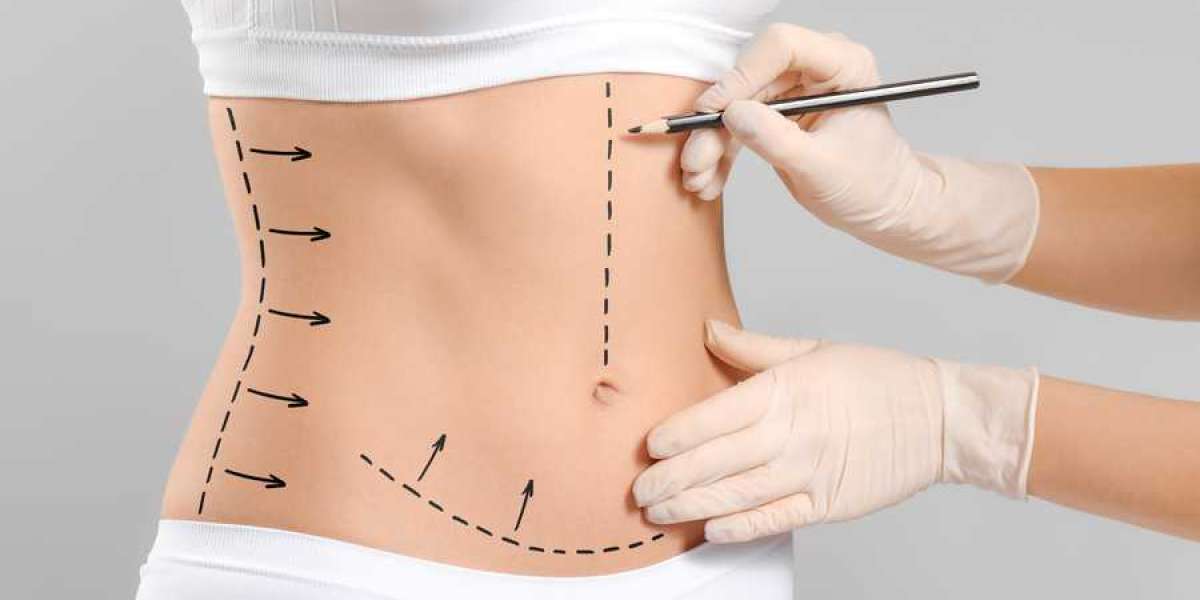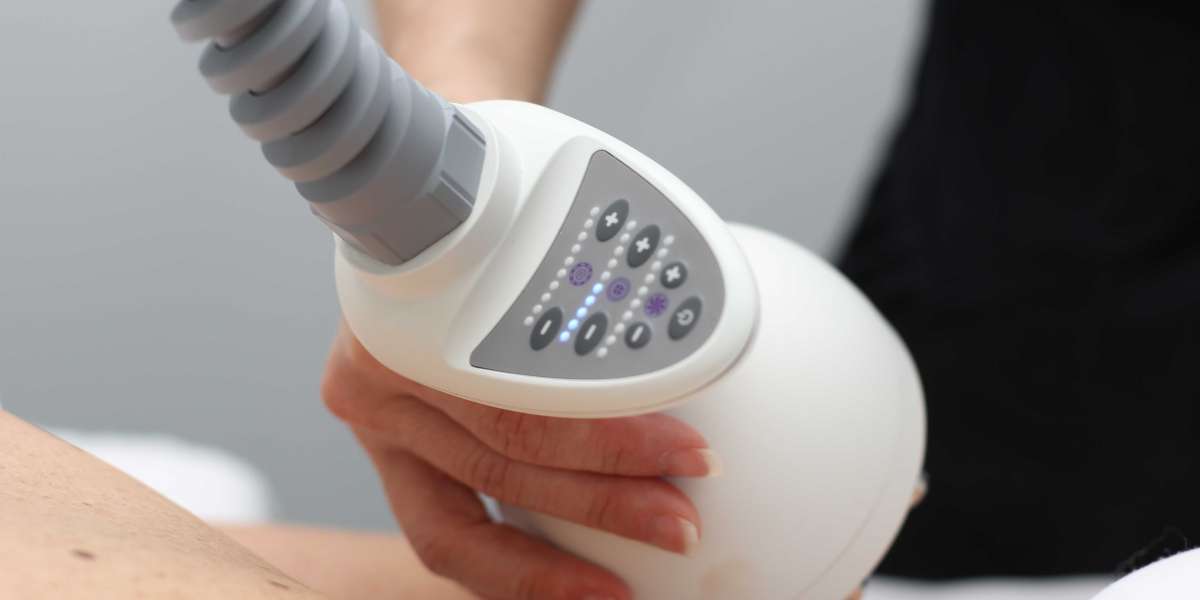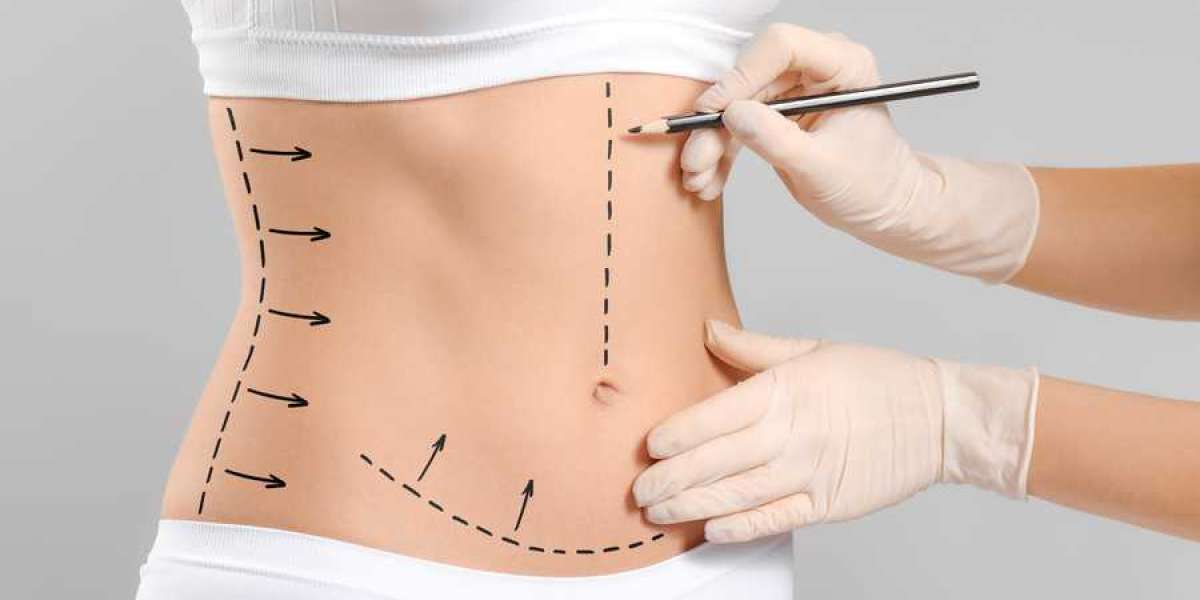

Liposuction is one of the most sought-after cosmetic procedures in Riyadh, helping individuals achieve a more contoured and proportionate body. While the surgery itself is important, preparing properly before the procedure plays a crucial role in ensuring safety, reducing complications, and achieving the best results. Understanding what preparation involves can give you confidence and peace of mind as you approach your surgery. Liposuction in Riyadh has become an increasingly popular option for individuals seeking effective body contouring and fat reduction solutions.
1. Research and Choose the Right Surgeon
The first and most important step in preparation is selecting a qualified, board-certified plastic surgeon. In Riyadh, many highly trained surgeons practice in accredited hospitals and cosmetic centers, but credentials matter. Look for a surgeon who:
Is board-certified in plastic surgery
Has experience performing liposuction specifically
Can provide before-and-after photos of previous patients
Offers clear explanations of techniques, risks, and expected outcomes
Scheduling a consultation allows you to ask questions, discuss your goals, and gauge the surgeon’s communication style. Feeling comfortable with your surgeon builds trust and can reduce anxiety before surgery.
2. Medical Evaluation and Health Assessment
Before any liposuction procedure, a thorough medical assessment is required. This helps identify risks and ensures your body is ready for surgery. The evaluation usually includes:
Medical history review: Chronic conditions such as diabetes, heart disease, or blood disorders may require additional precautions or may make surgery riskier.
Physical examination: The surgeon assesses the areas to be treated, skin quality, and fat distribution.
Blood tests and imaging: These help confirm you are healthy enough for anesthesia and surgery.
Medication review: Certain medications and supplements, like blood thinners or anti-inflammatory drugs, may need to be paused before surgery.
Being honest about your health, lifestyle, and medications is critical. Hidden health issues can increase complications.
3. Understand Preoperative Instructions
Your surgeon will provide specific preoperative instructions. Common recommendations include:
Avoiding certain medications and supplements: Blood thinners, some herbal supplements, and anti-inflammatory drugs can increase bleeding risk.
Quitting smoking and reducing alcohol: Smoking can impair healing and increase the risk of complications. It’s usually advised to stop at least 2–4 weeks before surgery.
Hydration and nutrition: Eating a balanced diet and staying hydrated can support recovery.
Fasting before surgery: If general anesthesia is used, fasting for several hours before the procedure is required.
Following these instructions carefully is essential for both safety and optimal results.
4. Mental and Emotional Preparation
Liposuction is not just a physical process; mental and emotional readiness is important too. Consider:
Setting realistic expectations: Liposuction is not a weight-loss procedure; it is meant to reshape the body.
Understanding recovery time: Swelling, bruising, and soreness are normal and can last several weeks. Knowing what to expect reduces anxiety.
Planning support: Arrange for someone to accompany you to and from surgery and to help during the first few days of recovery.
Feeling prepared mentally will make the surgical experience smoother and less stressful.
5. Arrange Recovery Logistics
Preparing your home and schedule is an often-overlooked but critical part of liposuction preparation. Consider:
Rest space: Set up a comfortable area with pillows and easy access to necessities.
Compression garments: Your surgeon may provide these to reduce swelling and support skin tightening. Wearing them as instructed is important.
Limit physical activity: Plan to avoid strenuous activities, heavy lifting, or exercise for the first 1–2 weeks or as advised by your surgeon.
Healthy meals and hydration: Prepping easy, nutritious meals can make recovery more comfortable.
Good preparation at home can speed healing and improve overall comfort.
6. Financial and Administrative Preparation
Liposuction in Riyadh can be a significant investment. Before your surgery, make sure you:
Understand the total cost, including surgeon fees, anesthesia, facility charges, and follow-up care.
Confirm insurance coverage, if applicable (most cosmetic procedures are self-paid).
Arrange payment plans if needed.
Complete all consent forms and preoperative documentation as instructed by your clinic.
Being organized financially reduces stress and allows you to focus on recovery.
7. Lifestyle Adjustments Before Surgery
Certain lifestyle adjustments can make a difference in safety and results:
Exercise: Light exercise before surgery can improve circulation and stamina for recovery.
Hydration: Proper fluid intake improves healing and reduces postoperative swelling.
Weight stabilization: Liposuction works best for people at or near their ideal weight. Significant weight fluctuations after surgery can affect results.
Consistency in these habits before surgery can improve both safety and outcome.
Conclusion
Preparing for liposuction surgery in Riyadh is about more than just booking a date; it involves careful research, health assessment, lifestyle adjustments, and mental readiness. Choosing a qualified surgeon, following preoperative instructions, planning your recovery, and setting realistic expectations all contribute to a safer procedure and better results. By taking preparation seriously, patients can minimize risks, recover more comfortably, and enjoy the full benefits of their body contouring surgery.