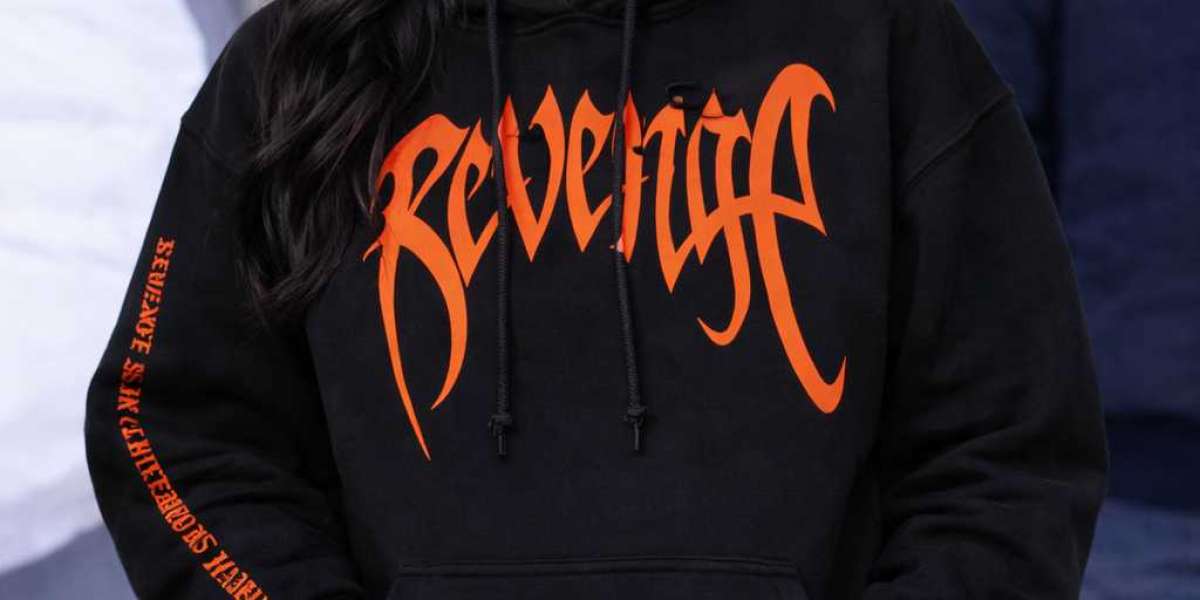

Revenge Clothing has transformed from a niche underground label into one of the most recognized names in modern streetwear. Known for its bold flame graphics, gothic lettering, and limited-edition hoodie drops, the brand carved its identity through exclusivity and cultural relevance. What started as a small movement fueled by youth energy and internet hype evolved into a global fashion force. Its rise reflects the changing dynamics of fashion, where authenticity, scarcity, and strong branding can quickly elevate a label into a streetwear powerhouse.
The Origins of Revenge Clothing
Revenge Clothing was founded by Garrett Ginner, widely known as Garette, during the mid-2010s streetwear boom. The brand emerged organically through social media and connections within music culture. Unlike traditional fashion houses, Revenge relied heavily on digital communities rather than retail stores. Early pieces were raw, graphic-heavy, and unapologetically bold, resonating strongly with young audiences seeking individuality. This underground origin gave the brand authenticity, helping it gain credibility within skate, punk, and hip-hop circles.
The Power of Limited Drops
One of the most significant factors behind Revenge Clothing’s success was its limited-drop strategy. Instead of mass-producing garments, the brand released small, exclusive collections that sold out quickly. This scarcity created hype, urgency, and resale demand. Fans eagerly anticipated each release, often refreshing websites within minutes of launch. The limited-drop model built a sense of exclusivity, making each hoodie feel rare and valuable. By controlling supply, Revenge maintained desirability and ensured that its pieces became status symbols in streetwear culture.
Strong Ties to Music Culture
Music played a major role in Revenge’s rapid rise. The brand gained attention when artists associated with the late XXXTentacion were seen wearing its hoodies. This organic connection between music and fashion gave the brand immediate cultural credibility. Streetwear and hip-hop have always shared a deep relationship, and Revenge leveraged that synergy perfectly. When influential musicians showcased the brand, fans followed suit, turning hoodies into iconic pieces tied to youth rebellion, emotion, and artistic expression.
Bold Graphics That Defined an Era
Revenge Clothing stood out through unmistakable visual identity. The brand’s flame logos, gothic fonts, and dark aesthetic became instantly recognizable. These bold graphics reflected a rebellious attitude that appealed to younger generations. Unlike minimalist streetwear labels, Revenge embraced loud, statement-making designs. The hoodie became its signature item, serving as a canvas for creative expression. This strong visual branding ensured that even from a distance, the garments were identifiable, reinforcing brand awareness and strengthening its cultural presence.
The Hoodie as a Cultural Icon
While Revenge produces various apparel items, the hoodie remains its most iconic piece. Oversized fits, heavyweight fabrics, and graphic-heavy fronts created a distinct silhouette. The hoodie perfectly aligned with urban streetwear aesthetics, balancing comfort and boldness. It became a staple among skaters, musicians, and fashion enthusiasts alike. Because hoodies are versatile and seasonless, they helped expand the brand’s reach. Over time, owning a Revenge hoodie symbolized participation in modern street culture and alignment with edgy fashion values.
Social Media as a Growth Engine
Revenge Clothing harnessed the power of social media to grow its audience. Platforms like Instagram and Twitter allowed the brand to promote drops directly to fans without traditional advertising. Teasers, countdowns, and limited announcements fueled excitement and anticipation. This direct-to-consumer digital model reduced overhead while strengthening community engagement. Social media also amplified word-of-mouth marketing, as customers shared their purchases online. The internet-driven strategy positioned Revenge at the forefront of a new era of fashion marketing.
Building Hype Through Exclusivity
Exclusivity became a cornerstone of Revenge’s identity. The brand rarely restocked popular designs, increasing resale value and demand. Limited availability created a sense of belonging among those who secured pieces. In streetwear culture, exclusivity often equates to status, and Revenge mastered that psychology. Each sold-out drop reinforced the perception of power and popularity. This hype-driven ecosystem transformed simple hoodies into coveted collectibles, solidifying the brand’s reputation as a streetwear heavyweight.
Influence on Youth Fashion
Revenge Clothing significantly impacted youth fashion trends. Its oversized silhouettes and graphic intensity influenced how young people styled everyday outfits. Pairing hoodies with cargo pants, distressed denim, or chunky sneakers became common in urban environments. The brand encouraged bold self-expression, pushing boundaries beyond minimalist fashion. As a result, Revenge contributed to the normalization of expressive, edgy streetwear aesthetics. It empowered youth to embrace individuality and reject conventional fashion standards.
Streetwear Meets Emotional Identity
Part of Revenge’s appeal lies in its emotional connection with its audience. The dark, rebellious tone resonated with youth navigating identity, creativity, and cultural shifts. Streetwear has always been about storytelling, and Revenge tapped into themes of resilience and attitude. Wearing the brand became more than a fashion choice—it symbolized belonging and emotional alignment with a cultural movement. This deeper connection strengthened customer loyalty and transformed casual buyers into dedicated supporters.
Expansion Beyond the Underground
Although Revenge began as an underground label, it gradually expanded into a global streetwear name. International fans participated in online drops, increasing demand worldwide. Collaborations and pop-up events further elevated visibility. Despite growth, the brand retained its core identity of exclusivity and boldness. Maintaining underground credibility while achieving mainstream recognition is challenging, yet Revenge balanced both effectively. This careful expansion strategy ensured longevity without sacrificing authenticity.
The Role of Resale Culture
Resale platforms amplified Revenge Clothing’s status. Limited releases often appeared on resale markets at higher prices, reinforcing their value. This resale culture strengthened the perception of scarcity and exclusivity. Streetwear enthusiasts viewed resale prices as indicators of cultural importance. By unintentionally benefiting from this secondary market, Revenge enhanced its image as a premium, in-demand brand. The resale phenomenon played a crucial role in cementing its position as a powerhouse within modern streetwear.
Adaptability in a Competitive Market
Streetwear is highly competitive, with new brands emerging frequently. Revenge sustained its momentum by remaining consistent in aesthetic while adapting to trends. Seasonal variations, updated graphics, and fresh colorways kept the brand relevant. However, it avoided over-commercialization, which can dilute exclusivity. Balancing innovation with consistency allowed Revenge to remain culturally significant while evolving alongside youth fashion preferences.
The Future of Revenge Clothing
As streetwear continues evolving, Revenge Clothing remains influential. The brand’s formula—limited drops, strong cultural ties, bold graphics, and digital marketing—continues resonating with new generations. Maintaining authenticity will be key to long-term dominance. If it continues balancing exclusivity with innovation, Revenge can sustain its powerhouse status. Its journey demonstrates how a focused identity, cultural alignment, and strategic scarcity can transform a small underground label into a global streetwear authority.
Conclusion
Revenge Clothing became a streetwear powerhouse by blending authenticity, exclusivity, and cultural relevance. Founded by Garrett Ginner, the brand leveraged music influence, limited drops, bold graphics, and social media marketing to build hype and loyalty. Its iconic hoodies became symbols of youth identity and rebellion. Through strategic scarcity, emotional connection, and strong visual branding, Revenge carved a lasting place in urban fashion. Today, it stands as a prime example of how modern streetwear brands can rise from underground roots to global recognition.
Meta Description
Discover how Revenge Clothing became a streetwear powerhouse through limited drops, bold graphics, music influence, exclusivity, and strong youth cultural connections.
SEO Slug Suggestion
revenge-clothing-streetwear-powerhouse
FAQs
- Who founded Revenge Clothing?
Revenge was founded by Garrett Ginner, also known as Garette. - Why are Revenge hoodies so popular?
Their bold graphics, oversized fits, and limited releases create hype and exclusivity. - How did music influence Revenge’s growth?
Artists like XXXTentacion wore the brand, boosting its cultural visibility. - What makes Revenge different from other streetwear brands?
Its scarcity-driven drops and strong visual identity set it apart. - Is Revenge Clothing still relevant today?
Yes, it remains influential due to its loyal fan base and consistent branding strategy.