

Unlock the Secrets of Bicycle Frames: Discover What Makes Your Ride Perfect!
Bicycle frames are the backbone of any bike, playing a crucial role in determining how a cyclist experiences their ride. The right frame can elevate your performance, provide greater comfort, and enhance your overall cycling experience. Whether you're a casual rider or a competitive cyclist, understanding the various types of bicycle frames, their materials, and the benefits they offer is essential. In this article, we will delve into the world of bicycle frames, exploring everything from the different types available to the materials used in their construction. By the end, you'll have a clearer picture of how to choose a frame that perfectly matches your cycling needs.
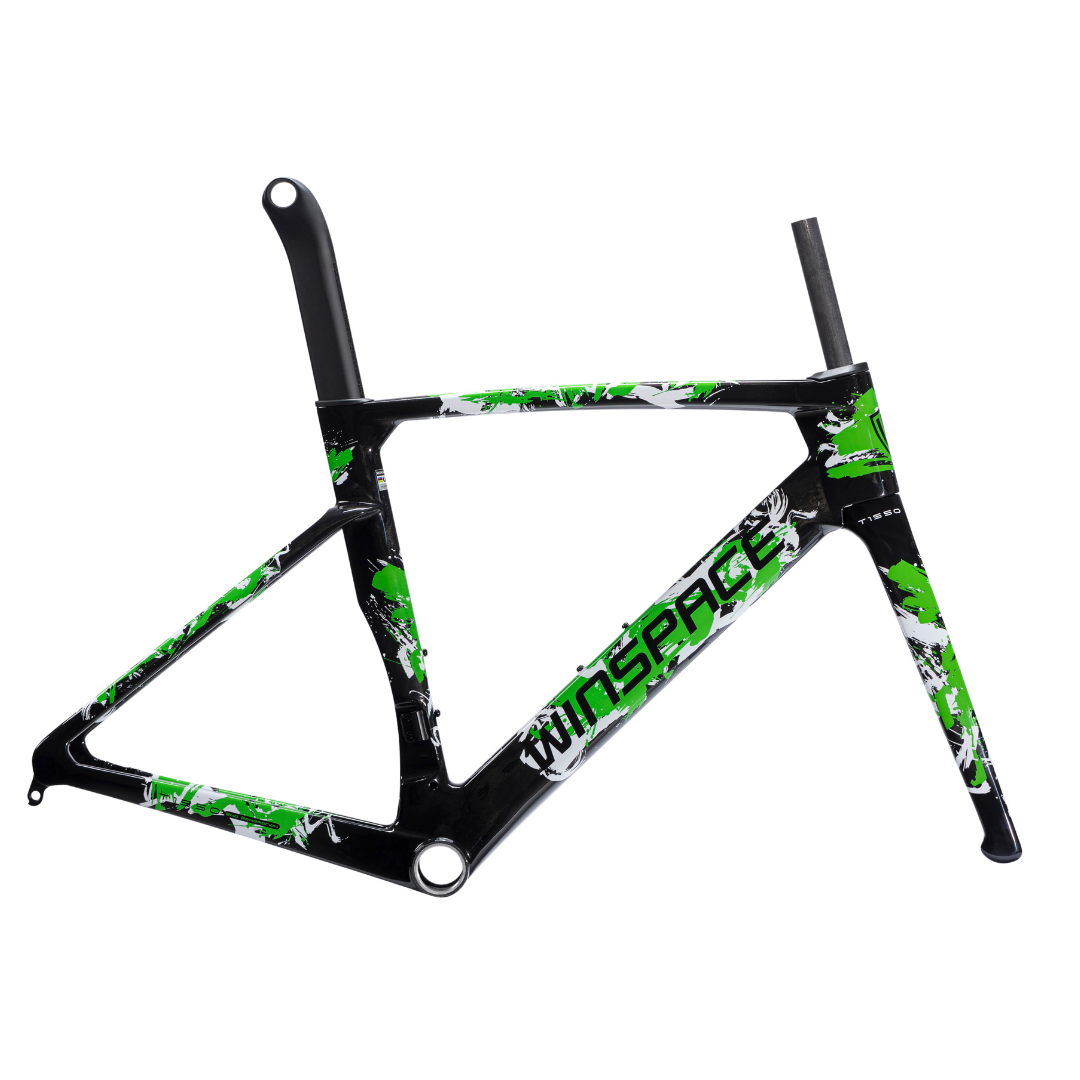
Understanding Bicycle Frame Types
Bicycle frames come in various types, each designed with specific riding styles and conditions in mind. Road bike frames are typically lightweight and aerodynamic, perfect for speed and long distances on paved surfaces. They feature a slender design with a focus on stiffness, allowing for efficient power transfer. Mountain bike frames, on the other hand, are built to withstand rough terrain and shocks. They are usually made with a more robust design, often featuring suspension systems that absorb impacts during off-road rides. Then there are hybrid frames, which blend characteristics from both road and mountain bikes, making them versatile for city commuting and casual rides. Additionally, there are specialty frames, such as those designed for touring, which prioritize comfort and stability over speed. Understanding these differences can help you choose a frame that aligns with your riding preferences and the types of terrain you'll encounter.
Materials Used in Bicycle Frames
The material of a bicycle frame profoundly affects its performance, durability, and ride quality. Steel frames are known for their strength and durability, making them a favorite among many cyclists. They absorb vibrations well, providing a comfortable ride, but can be heavier than other materials. Aluminum frames, on the other hand, are lighter and offer a good balance between strength and weight. They are often chosen for racing and competitive cycling due to their stiffness, which translates to efficient power transfer. Carbon fiber frames are the go-to choice for high-end bikes, known for their exceptional lightness and ability to absorb road vibrations. However, they can be expensive and less durable compared to metal frames. Titanium frames combine the best of both worlds, offering a lightweight yet durable option with excellent ride quality. Each material has its own advantages and disadvantages, and the choice largely depends on the cyclist's priorities and budget.
Benefits of Choosing the Right Bicycle Frame
The choice of bicycle frame has significant implications for ride quality, weight, durability, and handling. A well-chosen frame can drastically improve your cycling experience, allowing for better performance and comfort. For instance, lighter frames are often favored by competitive cyclists as they enhance speed and ease of climbing. Conversely, recreational cyclists may prioritize comfort, opting for frames that provide better shock absorption. Additionally, the durability of the frame can influence long-term maintenance and replacement costs. Frame geometry also plays a role in handling; a bike designed for stability may be preferable for touring, while a more agile frame is better suited for racing. It's important to consider what aspects of riding are most important to you—whether it’s weight, comfort, or durability—when selecting a bicycle frame, as these factors will ultimately shape your riding experience.
Factors to Consider When Selecting a Frame
When it comes to selecting a bicycle frame, several factors should be taken into account. First and foremost is size; a frame that is too large or too small can lead to discomfort and inefficient riding. It's crucial to test different sizes to find the one that fits your body dimensions best. Next, consider the geometry of the frame; this refers to the angles and proportions that affect how the bike handles and feels during rides. Riders should evaluate their intended use—whether for racing, commuting, or leisure riding—and select a frame that aligns with those goals. Additionally, think about the type of terrain you'll be riding on; some frames are better suited for rough trails, while others thrive on smooth pavement. Finally, don't hesitate to test ride different bikes. Personal experience is invaluable in determining which frame feels right for you, allowing you to make an informed decision that enhances your cycling journey.
Choosing the Right Bicycle Frame for a Better Ride
In summary, understanding the intricacies of bicycle frames is essential for any cyclist looking to optimize their riding experience. From the various types of frames designed for different cycling styles to the materials that influence performance and comfort, each element plays a significant role in your ride. By considering the benefits of each frame type, the material's advantages and disadvantages, and the key factors to consider when selecting a frame, you can make a well-informed choice that enhances your cycling adventures. Remember, the right bicycle frame not only supports your physical performance but also contributes to the joy of riding, making every journey more enjoyable and fulfilling.