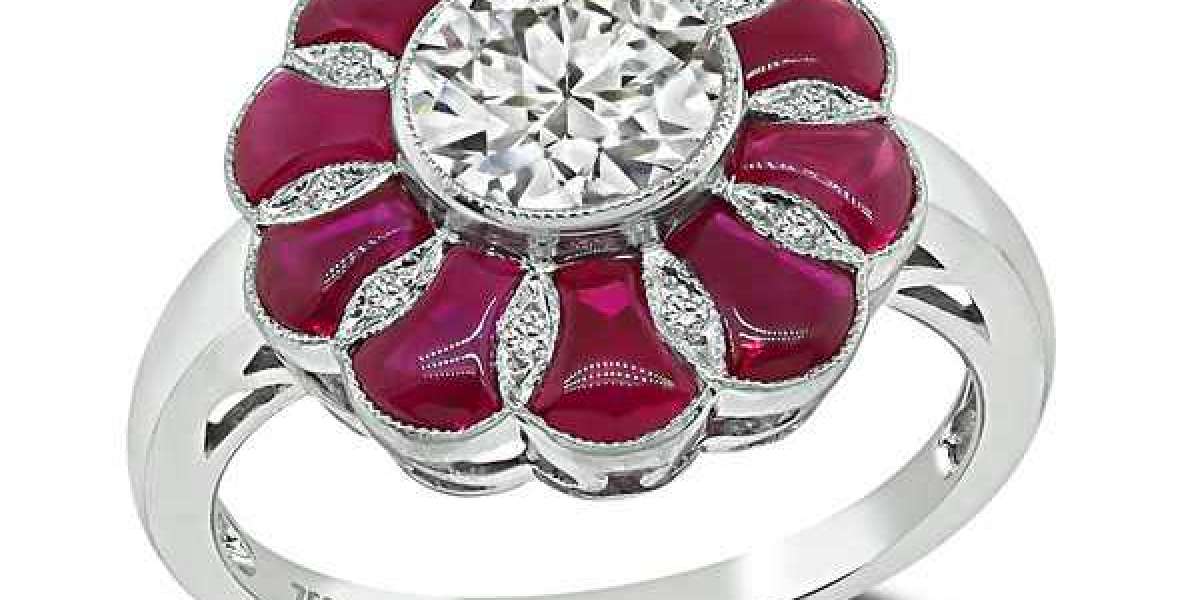
Antique engagement ring shopping is unlike buying any modern piece of jewelry — it is a journey into history, craftsmanship, and individuality. Every antique ring carries a story shaped by the era it came from, the hands that crafted it, and the love it once symbolized. Choosing a one-of-a-kind ring means selecting more than a diamond; it means choosing character, heritage, and artistry that cannot be replicated. If you want a ring that feels deeply personal and timeless, understanding how to evaluate antique pieces is essential.
Understand What Makes a Ring Truly Antique
Before selecting a ring, it’s important to know what qualifies as antique. In jewelry terms, a ring is considered antique when it is at least 100 years old. These rings often belong to design periods such as Victorian, Edwardian, or Art Deco. Each era has distinctive design features:
Victorian (1837–1901): Romantic motifs, colored gemstones, floral details
Edwardian (1901–1915): Delicate filigree, lace-like platinum work
Art Deco (1920–1935): Bold geometry, symmetry, clean lines
Recognizing these styles helps you narrow your preference. Some buyers love ornate vintage romance, while others prefer architectural Art Deco elegance. Knowing the era you’re drawn to simplifies the search and adds emotional meaning to your choice.
Look Beyond Perfection
Modern engagement rings are often cut for flawless symmetry and high brilliance. Antique rings are different. They were handcrafted, not machine-made. Old mine cuts, rose cuts, and early European cuts may appear softer or slightly irregular compared to modern diamonds — and that is exactly their charm.
Instead of chasing perfection, look for:
Character and individuality
Handcrafted detailing
Unique stone cuts
Warm, antique glow
Imperfections in antique jewelry are signs of authenticity. They reveal the human touch behind the craftsmanship.
Prioritize Craftsmanship Over Size
A common mistake is focusing only on carat size. Antique rings were created during eras when craftsmanship mattered more than diamond scale. A smaller antique diamond with exceptional handwork can be far more valuable than a larger modern stone.
Examine:
Intricate engraving
Milgrain detailing
Filigree metalwork
Stone settings
These elements require extraordinary skill and cannot easily be reproduced today. A truly one-of-a-kind ring is defined by its artistry, not its size.
Evaluate Condition Carefully
Because antique rings have lived many lives, condition is crucial. Some wear is expected, but structural integrity must be strong.
Check for:
Loose prongs
Worn settings
Thin bands
Cracks or chips in stones
A reputable jeweler should provide restoration information. Minor repairs are normal and do not reduce value when done correctly. However, heavy damage can affect longevity and safety.
Ask whether the ring has been altered. Original condition with minimal modification often increases desirability among collectors.
Choose a Trusted Antique Jewelry Specialist
Buying antique jewelry requires expertise. Work only with reputable dealers who specialize in estate and antique pieces. A knowledgeable seller will:
Provide accurate era identification
Explain gemstone origins
Offer authentication or certification
Disclose restoration history
Avoid sellers who cannot answer detailed questions about provenance or craftsmanship. Transparency is a sign of professionalism.
A trusted jeweler also helps with resizing, maintenance, and long-term care — essential for a piece meant to last generations.
Consider Wearability for Modern Life
Antique rings were designed for lifestyles very different from today. Some settings are delicate and better suited for occasional wear, while others are durable enough for daily use.
Ask yourself:
Do you want an everyday ring or a special-occasion piece?
Is the setting secure for active lifestyles?
Can it withstand modern wear?
Platinum Edwardian and Art Deco rings often hold up better than ultra-delicate Victorian pieces. Balancing beauty with practicality ensures your ring remains wearable for decades.
Embrace the Emotional Story
One of the greatest joys of antique jewelry is its sense of history. These rings have witnessed previous love stories. Choosing one connects you to a lineage of romance and tradition.
Some buyers are drawn to symbolism — flowers for eternal love, bows for unity, geometric shapes for strength. Understanding the meaning behind design motifs can deepen your emotional connection to the piece.
You’re not just buying jewelry. You’re becoming part of its story.
Think About Custom Compatibility
If you plan to pair the ring with a wedding band, consider how the design will align. Antique rings often have unique silhouettes that don’t sit flush with modern bands.
Options include:
Custom curved wedding bands
Stacked vintage bands
Minimal spacer rings
A jeweler experienced in antique jewelry can design a band that complements the original piece without compromising its integrity.
Budget for Rarity, Not Trends
Antique rings are valued for rarity and craftsmanship, not market trends. Prices vary based on era, condition, gemstone quality, and uniqueness.
Rather than chasing modern trends, invest in:
Timeless design
Historical value
Exceptional artistry
A one-of-a-kind antique ring holds emotional and collectible value that transcends fashion cycles.
Care and Preservation
Owning an antique ring means becoming its caretaker. Proper maintenance preserves both beauty and structure.
Best practices include:
Gentle cleaning with mild soap and water
Avoiding harsh chemicals
Removing during heavy activity
Annual professional inspections
With care, an antique ring can last another century.
Why Antique Rings Are the Ultimate Expression of Individuality
In a world of mass-produced jewelry, antique rings stand apart. No two are identical. They reflect eras when jewelry was handcrafted with intention and symbolism.
Choosing an antique engagement ring is a statement:
You value history over trends
Craftsmanship over uniformity
meaning over mass production
It is the ultimate expression of personal style and emotional depth.
Conclusion
Selecting a one-of-a-kind antique engagement ring is about more than aesthetics. It is about honoring craftsmanship, preserving history, and choosing a symbol of love that cannot be duplicated. By understanding eras, evaluating condition, prioritizing artistry, and working with trusted experts, you can find a ring that resonates with your personality and values.
An antique ring is not just worn — it is inherited, treasured, and passed forward. It becomes a living heirloom, carrying your story into the future while preserving the echoes of the past. That is the true magic of choosing a ring unlike any other.