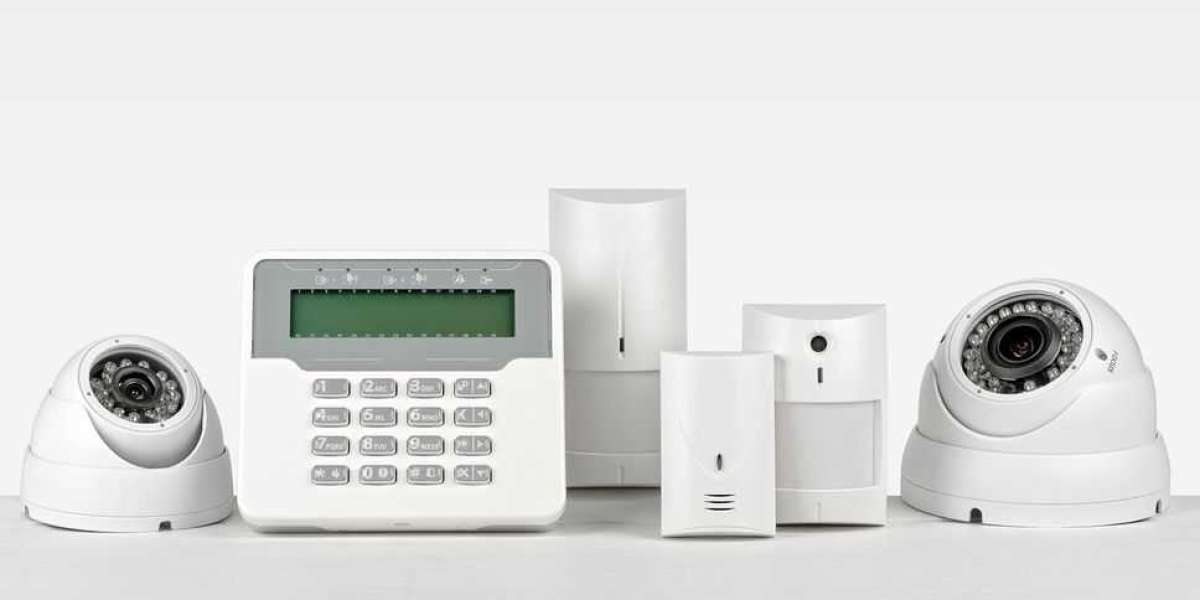

When installing an intruder alarm system in the UK, compliance with recognised standards and legal requirements is essential. A properly installed alarm not only improves security but also ensures reliability, reduces false alarms, and meets insurance and police response criteria.
At sahisecure volt, every intruder alarm installation follows UK-approved standards to provide customers with dependable protection and full peace of mind.
Why UK Standards Matter for Intruder Alarm Installation
Intruder alarm standards exist to ensure systems perform consistently and safely across residential and commercial properties. These standards define how alarms should be designed, installed, tested, and maintained.
Non-compliant systems may fail during real intrusion events, generate frequent false alarms, or be rejected by insurers and monitoring services. Following recognised standards ensures that an intruder alarm system delivers genuine security rather than a false sense of protection.
Core UK Standards for Intruder Alarm Systems
PD 6662 – The Primary UK Scheme
PD 6662 is the main UK scheme that governs intruder and hold-up alarm systems. It brings together European standards and adapts them to UK requirements.
Any professional intruder alarm installation intended for police response or insurance recognition must comply with PD 6662. This standard covers system design, equipment selection, installation practices, and ongoing maintenance.
BS EN 50131 – European Security Standard
BS EN 50131 sets performance requirements for intruder alarm systems across different risk levels. It categorises systems into security grades based on the type of threat a property may face.
Higher-risk environments require higher-grade equipment and stricter installation procedures, ensuring the system can withstand more sophisticated intrusion attempts.
Understanding Security Grades and Risk Levels
Grade 1 – Low Risk
Designed for properties with minimal risk, such as small residential homes where intruders are unlikely to have advanced knowledge or tools.
Grade 2 – Medium Risk
Commonly used for most homes and small businesses. These systems protect against intruders with basic tools and limited technical knowledge.
Grade 3 and Above – Higher Risk
Used in commercial, industrial, or high-value premises where intruders may use advanced techniques. Installation standards and equipment requirements are more stringent at this level.
Choosing the correct grade is a critical part of compliant intruder alarm installation.
Legal Responsibilities for Property Owners
Duty to Maintain Alarm Systems
UK regulations require alarm systems to be properly maintained once installed. Faulty or poorly maintained alarms can lead to repeated false activations, which may result in penalties or loss of police response.
Regular servicing ensures continued compliance and system reliability.
Noise Regulations and External Sounders
External alarm sounders must comply with noise regulations. Alarms are typically required to cut off automatically after a specified duration to prevent public disturbance.
Professional installers ensure sounders are correctly configured to meet local authority requirements.
Police Response and Alarm Monitoring Requirements
Unique Reference Number (URN)
For monitored intruder alarms requiring police response, a Unique Reference Number is issued. This number confirms that the alarm system meets recognised standards and is maintained by an approved company.
Without compliance, police response may be withdrawn.
False Alarm Management
UK police forces enforce strict false alarm policies. Systems generating excessive false activations may lose response privileges. Proper installation, user training, and maintenance are essential to prevent this.
At sahisecure volt, alarm systems are configured carefully to reduce false triggers from environmental factors or user error.
Approved Installation Companies and Certification
NSI and SSAIB Approval
Professional intruder alarm installers often belong to recognised certification bodies such as the National Security Inspectorate (NSI) or the Security Systems and Alarms Inspection Board (SSAIB).
These organisations audit installation practices, system design, and maintenance procedures to ensure ongoing compliance with UK standards.
Why Certification Matters
Using a certified installer reassures customers, insurers, and monitoring providers that the system meets all regulatory requirements. It also demonstrates professionalism and accountability.
Insurance Requirements for Intruder Alarm Systems
Many insurers require intruder alarms to be installed and maintained to recognised standards as a condition of cover. Failure to comply may result in reduced payouts or invalid policies.
Insurance providers may specify:
- Alarm grade requirements
- Approved installation companies
- Regular servicing intervals
Professional intruder alarm installation helps ensure these conditions are met.
Installation Standards for Residential vs Commercial Properties
Domestic Installations
Residential systems focus on protecting entry points, internal movement areas, and personal safety. While requirements are less complex than commercial systems, compliance is still essential.
Commercial and Business Installations
Commercial premises often require zoning, restricted access areas, and higher-grade equipment. Compliance with standards is especially important for businesses seeking police response and insurance approval.
Documentation and System Handover Requirements
Installation Records
A compliant intruder alarm installation must include proper documentation. This includes system design details, equipment specifications, user instructions, and maintenance schedules.
User Training
End users must be trained on how to operate the system correctly. Misuse is one of the leading causes of false alarms, making training a vital compliance step.
Ongoing Maintenance and Compliance
Regular Servicing
UK standards require periodic servicing to ensure alarm systems remain fully functional. This includes testing sensors, batteries, communication paths, and control panels.
System Upgrades
As security technology evolves, older systems may need upgrades to remain compliant. Regular reviews ensure continued alignment with current standards.
At sahisecure volt, long-term compliance is treated as part of the security solution, not an afterthought.
Why Professional Compliance Matters
A compliant intruder alarm installation is not just about meeting regulations—it’s about delivering dependable security. Systems installed without regard for standards often fail when they are needed most.
Professional installation ensures:
- Accurate risk assessment
- Correct system grading
- Reduced false alarms
- Valid police response eligibility
- Insurance acceptance
Final Thoughts
Understanding intruder alarm installation standards and legal requirements in the UK is essential for anyone investing in security. Compliance protects property, ensures reliability, and avoids costly issues with insurers or authorities.
By choosing a structured, standards-based approach with experienced professionals like sahisecure volt, you ensure your intruder alarm system is not only effective but fully compliant and future-ready.