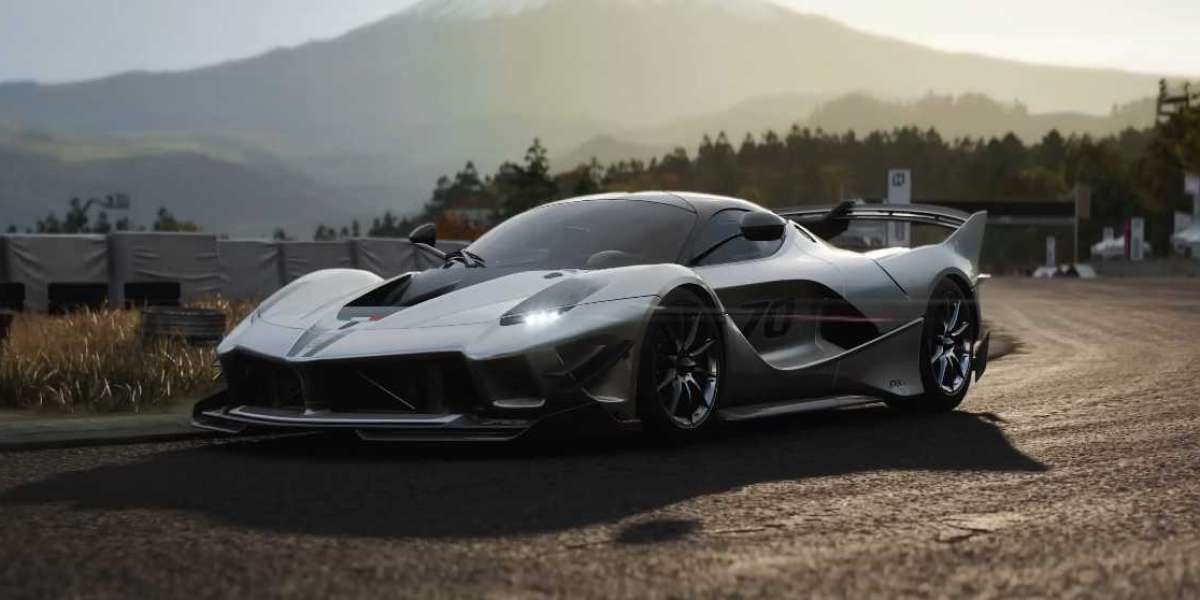

In Forza Horizon 6, one of the most important skills for mastering the game is learning how to brake effectively, especially when you're behind the wheel of heavy cars. While it might seem like a simple task, braking in large, heavy vehicles requires a different approach compared to lighter, more agile cars. In this guide, I’ll cover the techniques and tips you need to know for handling braking in heavy cars, helping you maintain control, reduce lap times, and avoid crashes.
What Makes Braking in Heavy Cars Different?
Before we dive into the specifics of braking techniques, it's important to understand why braking in a heavy car feels different. Heavy vehicles in Forza Horizon 6, such as trucks, SUVs, or large muscle cars, have more mass and inertia. This means they don't stop as quickly as lighter vehicles, and their weight can cause them to slide or spin out if you're not careful.
The increased weight affects braking in two main ways:
Longer Stopping Distances: Heavy cars take more time to decelerate, which means you’ll need to start braking earlier than usual.
Less Responsive Handling: Due to the car's weight, it doesn’t respond to steering or braking inputs as quickly as lighter cars. This can make it harder to adjust mid-turn, especially if you’re braking late.
Understanding these factors will help you adjust your braking strategy accordingly.
When Should I Start Braking?
For heavy cars, the key is to start braking earlier than you might be used to with lighter vehicles. In practice, this means you need to give yourself a lot of space and time before a corner. If you wait too long to start braking, you might end up overshooting the turn or locking up your wheels, especially if you're using hard braking techniques.
The amount of time you need to start braking depends on several factors:
Car Weight and Type: Heavier cars require more braking distance. For example, a large off-roading truck will need more space to stop than a standard muscle car.
Road Conditions: Wet or bumpy roads can increase stopping distances, so you’ll need to account for that.
Speed: Higher speeds will require longer braking distances. The faster you're going, the earlier you’ll need to start braking.
A good rule of thumb is to start braking about 100-150 meters before a sharp corner in a heavy car. For high-speed corners, start braking even earlier.
How Do I Brake Effectively Without Losing Control?
Braking in a heavy car is all about control. If you slam on the brakes too hard, especially mid-turn, you’ll likely lose traction and end up spinning out or sliding off the track. Here's how to brake effectively:
Use Progressive Braking: Instead of pressing the brake pedal hard all at once, apply gradual pressure. This helps to transfer the car’s weight to the front wheels, which increases their grip and allows you to brake more efficiently.
Avoid Hard Braking Mid-Turn: Braking too aggressively while turning can cause the car to understeer or oversteer. It’s best to complete your braking in a straight line before you enter the corner, giving yourself the best chance of turning smoothly.
Brake Early, Then Ease Off: Once you've slowed down enough, ease off the brake gradually to avoid unsettling the car. If you continue braking too much through the corner, you'll risk losing control.
Use Engine Braking (If Applicable): For certain heavy cars with strong engines, you can use engine braking to help slow down. By letting off the throttle and downshifting, you can slow the car without overusing the brakes, which is especially useful on downhill sections or tight corners.
How Can I Prevent Locking Up the Brakes?
Locking up the brakes is a common issue, especially when braking heavily in a car that weighs a lot. When the wheels lock up, the car can skid, making it harder to steer and causing you to lose control.
To prevent this from happening, here are a few tips:
Don’t Over-Brake: One of the most common causes of locked brakes is applying too much pressure to the brake pedal. Instead, use progressive braking and avoid sudden, harsh inputs.
Brake Before the Turn: Ideally, you want to brake before entering the corner, not while you're in it. By doing this, you give yourself more time to decelerate without having to apply excessive pressure on the brakes.
ABS and Brake Assist Settings: If you’re playing with assists on, enabling ABS (Anti-lock Braking System) will help prevent wheel lockup. For heavy cars, ABS can be a lifesaver as it automatically adjusts braking pressure to keep the wheels from locking.
How Does Weight Transfer Affect Braking in Heavy Cars?
Weight transfer is the process of the car’s weight shifting as it brakes, accelerates, or turns. In a heavy car, weight transfer is more noticeable and can significantly affect how the car handles during braking.
Here’s what happens during braking:
When You Brake: The weight shifts to the front of the car, increasing grip on the front tires and reducing grip on the rear tires. This is why it's easier to lock up the rear tires in a heavy car if you're not careful.
When You Turn: The combination of braking and turning can upset the balance of the car, especially if you apply the brakes too late or too hard.
To manage weight transfer effectively:
Brake in a Straight Line: Whenever possible, brake in a straight line before entering a turn. This helps the car maintain balance and allows the suspension to handle the forces more evenly.
Smooth Inputs: Make sure your braking inputs are smooth and gradual. Sudden movements can cause too much weight transfer, making the car harder to control.
Should I Modify My Car for Better Braking Performance?
If you find yourself struggling with braking in heavy cars, you can make some modifications to improve performance. The right upgrades can help your car stop quicker and more predictably. Consider the following modifications:
Brakes: Upgrading to high-performance brake pads and rotors can help reduce braking distances. Stronger brakes will also handle heat better, which is important for longer races or events.
Suspension: A more responsive suspension system helps control weight transfer better, especially when combined with a stiff anti-roll bar.
Tires: Don’t underestimate the importance of good tires. Tires with better grip allow for shorter stopping distances and improved cornering.
Weight Reduction: Reducing the weight of your car (where possible) can improve braking performance. A lighter car doesn’t need as much effort to slow down.
If you’re interested in getting more performance, you can always buy Forza Horizon 6 Account Steam to access some of the high-performance cars and parts that can help in this area.
Braking in heavy cars in Forza Horizon 6 requires a bit more care and strategy compared to lighter vehicles. By starting your braking earlier, applying gradual pressure to the brake pedal, and managing weight transfer, you can improve your control and avoid making costly mistakes during races. With practice, these techniques will become second nature, allowing you to handle heavy cars with confidence.
Whether you're participating in off-road events, cruising through city streets, or pushing the limits on race tracks, mastering braking in heavy cars is key to becoming a more skilled and competitive driver. Keep experimenting with your braking strategy, and soon you’ll see a noticeable improvement in your performance.