
Installing a septic system is a critical step for homes without municipal sewage connections. Proper installation ensures long-term reliability, safety, and efficiency. Engaging professional Septic Installation Services guarantees that the system is designed and installed according to regulations, protecting your property while preventing costly repairs. Understanding the key steps in septic installation helps homeowners make informed decisions and ensures the system functions optimally for years to come.
Why Proper Septic Installation Matters for Homeowners
Incorrect septic installation can result in leaks, backups, or drain field failures, leading to expensive repairs and environmental hazards. Professional installation saves time, reduces long-term maintenance costs, and ensures compliance with local codes. By hiring certified technicians, homeowners benefit from expertise, proper equipment, and guidance that guarantees efficiency and reliability from the start.
Septic Installation Process Overview
A structured installation process ensures that the septic system operates effectively and lasts for decades. Each step, from site evaluation to final inspection, is essential to prevent future issues and optimize performance. K K Septic Services LLC follows industry best practices, ensuring homeowners receive reliable, long-lasting solutions.
Septic Installation Services in Temple
Professional Septic Installation Services in Temple begin with a detailed site assessment, soil testing, and system design tailored to the property. Technicians consider soil percolation rates, lot size, and local regulations to determine the appropriate tank size and drain field layout. This upfront planning prevents costly mistakes, ensures efficient operation, and maximizes the system’s lifespan.
Excavation and Site Preparation
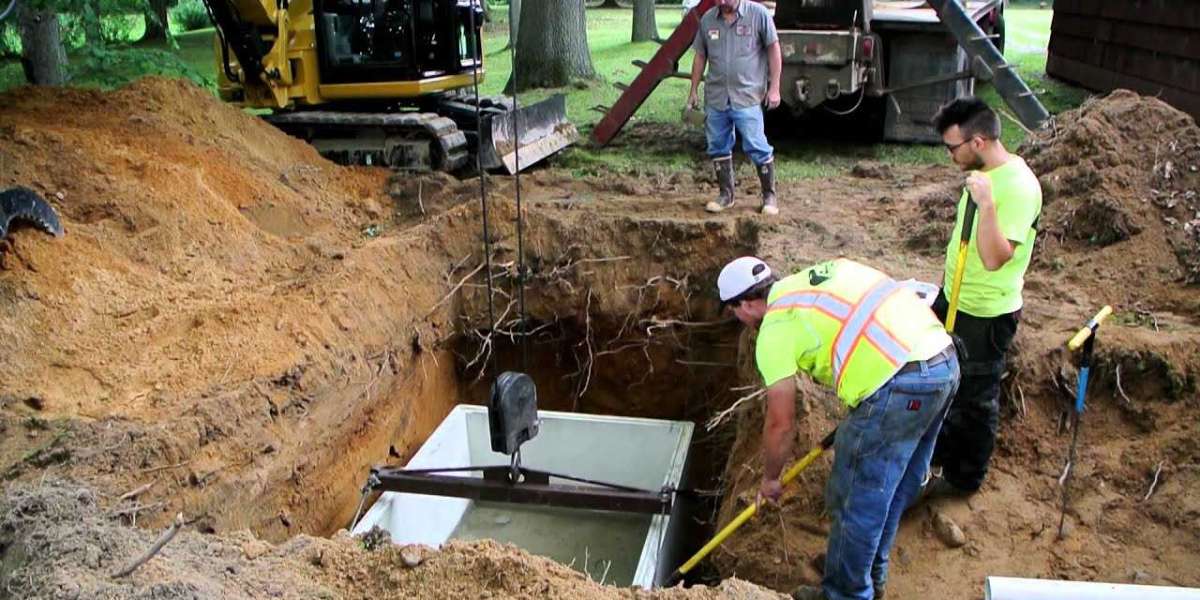
Excavation involves clearing the installation area, leveling the ground, and digging trenches for the tank and drain field. Proper site preparation ensures that the system is installed on stable soil and minimizes the risk of settling or structural damage. Professionals take care to protect surrounding landscaping and prevent unnecessary soil erosion during excavation.
Tank Placement and Leveling
The septic tank must be placed on a stable, level base to function correctly. Improper leveling can cause uneven flow, backups, or premature wear. Certified technicians carefully position the tank, secure it, and verify alignment using specialized tools. Correct placement ensures proper drainage, longevity, and minimal maintenance over time.
Pipe Installation and Drain Field Setup
After the tank is positioned, pipes connecting the home to the tank and the tank to the drain field are installed. Proper slope, sealing, and pipe alignment are critical to prevent leaks and clogs. Drain field trenches are prepared with gravel and piping to allow efficient wastewater absorption. Professionals ensure that the entire system complies with local codes and functions efficiently.
System Backfill and Compaction
Once the tank and pipes are in place, the trenches are backfilled with soil and compacted carefully to avoid settling or shifting. This step protects the system and ensures long-term stability. Proper compaction also prevents damage to pipes and allows for even drainage from the drain field.
Inspection and Testing
Before the system is operational, a thorough inspection and testing phase ensures it works correctly. Technicians check for leaks, proper flow, and compliance with regulatory standards. Any issues are addressed immediately to avoid future emergencies. Certified professionals confirm that the system is ready for safe, reliable use.
System Covering and Landscaping
After testing, the system is covered, and the site is restored. Landscaping is adjusted to ensure proper drainage and prevent soil compaction over the drain field. This step preserves the property’s aesthetics while maintaining optimal system performance. Professionals advise homeowners on long-term care and preventive measures to protect the investment.
Preventive Tips for Septic Longevity
Homeowners can extend system life by avoiding excessive water use, not flushing non-biodegradable items, and scheduling regular inspections. Professional guidance ensures that small maintenance tasks, like checking alarms or risers, are performed correctly, reducing the risk of costly repairs. Combining professional installation with responsible usage maximizes efficiency and lifespan.
Conclusion
Professional septic installation saves homeowners both time and money by ensuring correct design, precise installation, and compliance with regulations. From site evaluation to inspection and preventive guidance, professional Septic Installation Services guarantee efficiency, reliability, and long-term system performance. Partnering with K K Septic Services LLC ensures peace of mind, prevents costly mistakes, and protects property value. For more detailed guidance on septic systems and installation practices, homeowners can consult the Septic System Wikipedia page. Investing in professional installation today prevents emergencies tomorrow.
FAQs
How long does a septic installation take?
A standard residential septic installation typically takes 2–5 days, depending on site conditions, system size, and weather.
What is the cost of professional septic installation?
Costs vary based on tank size, system type, and soil conditions. Professional installation often saves money in the long term by preventing future repairs.
Can I install a septic system myself?
DIY installation is not recommended due to complexity, regulations, and risk of system failure. Professional services ensure compliance and efficiency.
How often should a septic system be inspected after installation?
Annual inspections are recommended, along with tank pumping every 3–5 years, depending on usage and tank size.
What maintenance tips help prolong septic system life?
Avoid flushing non-biodegradable items, conserve water, schedule regular inspections, and keep trees away from the drain field.