
Introduction
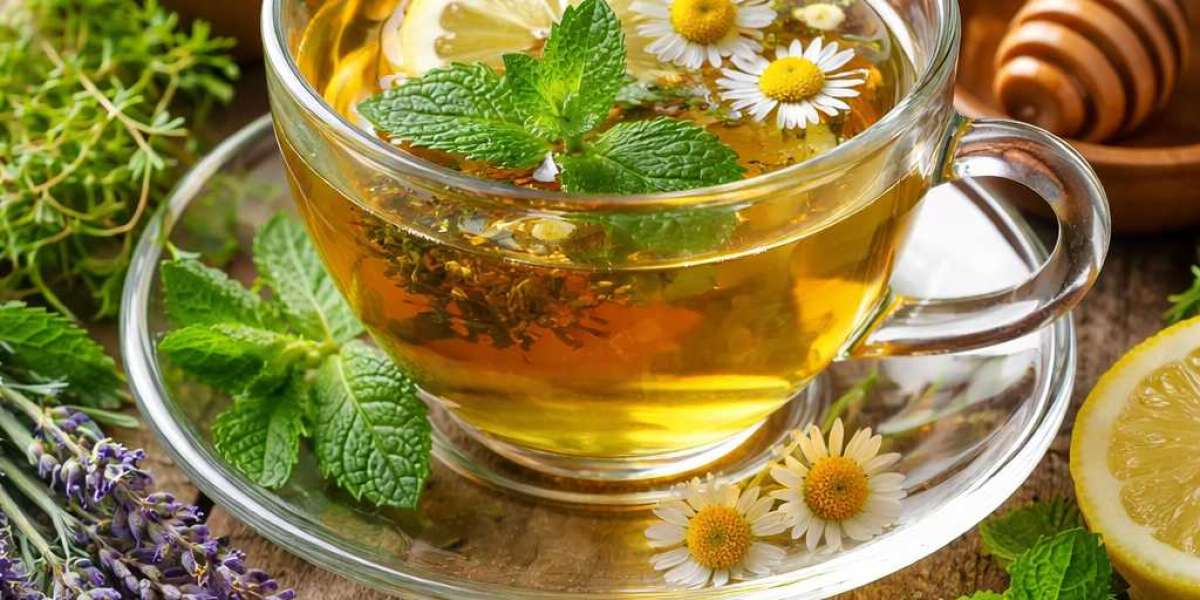
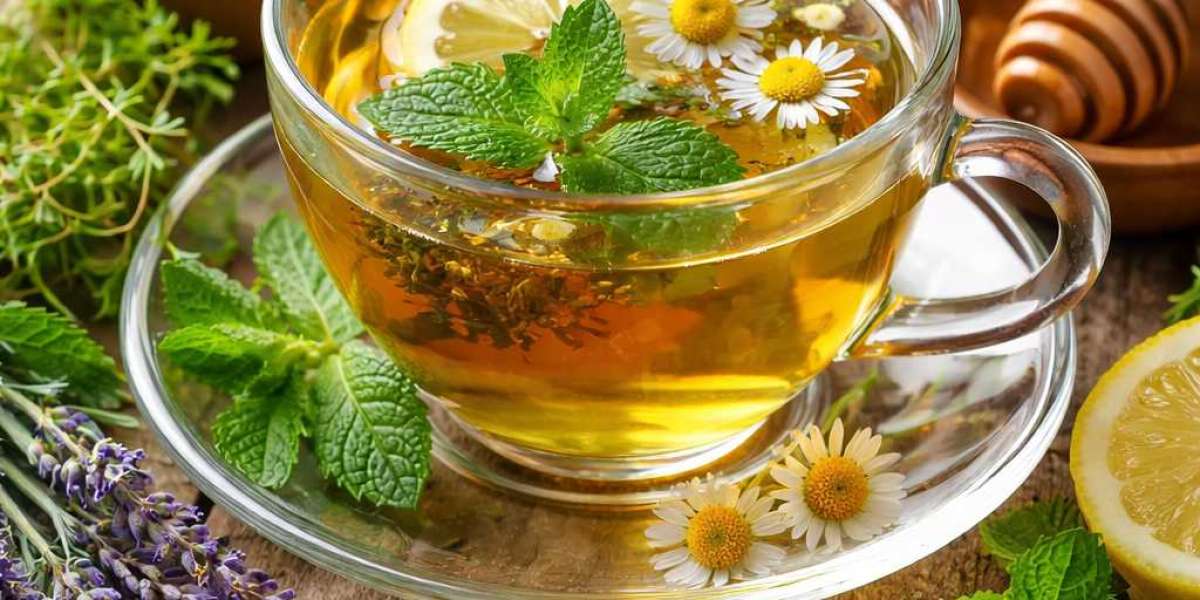
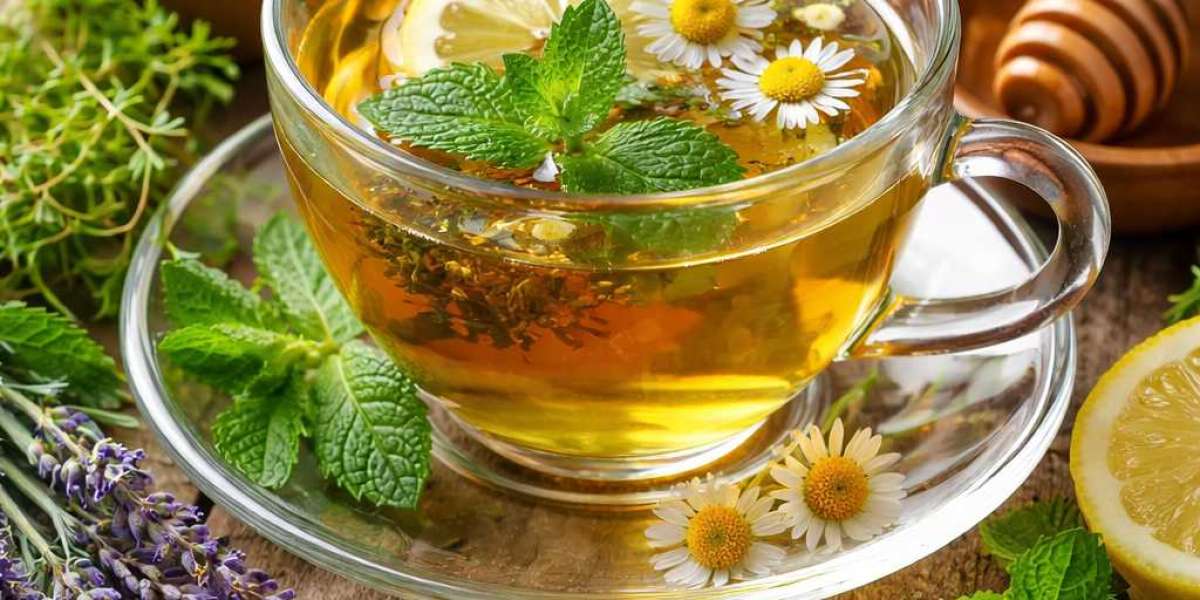
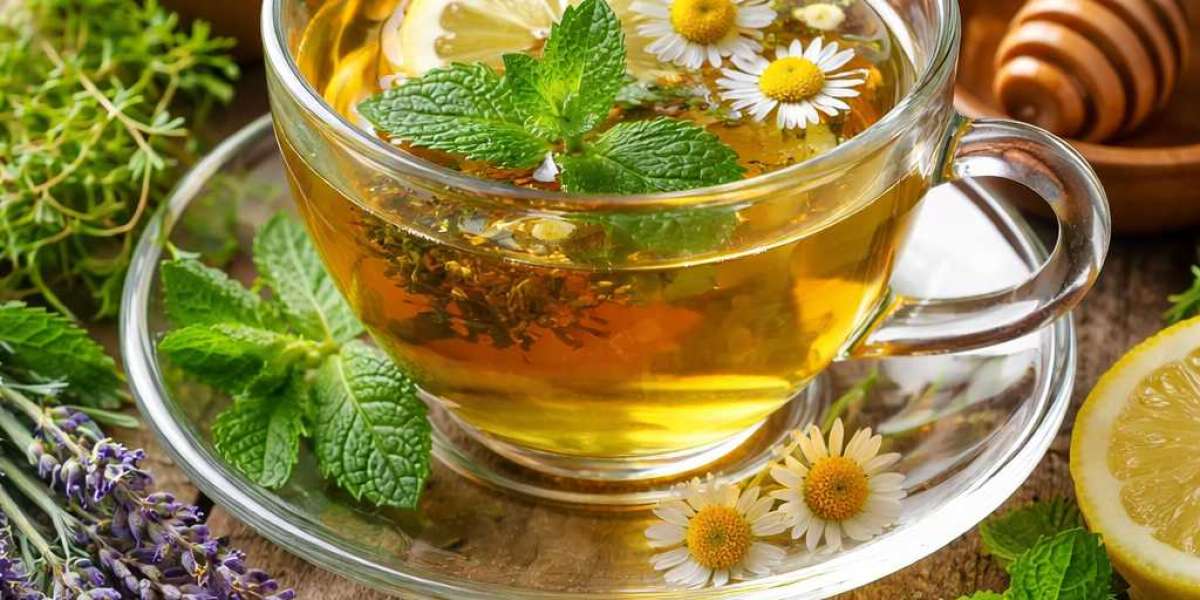
Herb tea has become one of the most popular natural wellness drinks in 2026, thanks to its powerful health-supporting properties and caffeine-free nature. As people shift toward preventive healthcare and natural remedies, herb tea stands out as a simple yet effective way to strengthen the immune system daily. Made from dried leaves, flowers, roots, and herbs, these teas provide antioxidants, vitamins, and soothing compounds that promote overall well-being.
Why Immunity Matters More Than Ever
Modern lifestyles, pollution, stress, and irregular eating habits can weaken the immune system. A strong immune system helps the body fight infections, recover faster, and maintain energy levels. Adding herb tea to daily routines is an easy lifestyle change that contributes to immune resilience without relying on artificial supplements.
Rich in Natural Antioxidants
Many herb tea varieties, such as tulsi, chamomile, hibiscus, and ginger, are loaded with antioxidants. These compounds help fight free radicals that damage cells and weaken immunity. Regular consumption supports cell protection and reduces oxidative stress, helping the body function efficiently.
Anti-Inflammatory Properties
Inflammation is linked to many common health issues. Ginger herb tea and turmeric herb tea are well-known for their anti-inflammatory benefits. They soothe the body, reduce irritation, and help maintain internal balance, which supports immune response and overall wellness.
Supports Digestive Health
A healthy gut plays a key role in immunity. Peppermint and fennel herb teas improve digestion, reduce bloating, and promote nutrient absorption. When digestion improves, the body better utilizes vitamins and minerals that strengthen immune defenses.
Stress Reduction and Better Sleep
Chronic stress weakens the immune system. Chamomile and lavender herb teas help relax the mind, reduce anxiety, and improve sleep quality. Good sleep allows the body to repair and regenerate immune cells effectively.
Hydration with Added Benefits
Unlike sugary drinks, herb tea provides hydration with added medicinal properties. Staying hydrated keeps mucous membranes healthy, which act as a barrier against infections. Warm herb tea also soothes the throat and respiratory system.
Popular Herb Tea Choices for Immunity
Tulsi Herb Tea: Known as holy basil, supports respiratory health and immunity.
Ginger Herb Tea: Helps fight colds, improves digestion, and reduces inflammation.
Hibiscus Herb Tea: Rich in vitamin C and antioxidants.
Echinacea Herb Tea: Traditionally used to reduce cold symptoms.
Lemon Balm Herb Tea: Supports relaxation and immune balance.
Easy to Include in Daily Routine
Herb tea is easy to prepare and can be consumed hot or cold. Drinking 2–3 cups daily can provide consistent wellness support. Many people replace caffeinated beverages with herb tea to maintain energy without jitters.
Safe and Natural Wellness Option
Compared to chemical-based supplements, herb tea is gentle and natural. When consumed in moderation, it offers long-term health support without major side effects. However, individuals with medical conditions should consult professionals before trying new herbs.
Growing Trend in 2026
With increasing awareness of natural health solutions, herb tea is becoming a daily staple in homes and workplaces. Its versatility, pleasant taste, and health benefits make it a preferred immunity-boosting beverage.
FAQs
1. How does herb tea help boost immunity?
Herb tea contains antioxidants, vitamins, and anti-inflammatory compounds that strengthen the immune system and help the body resist infections naturally.
2. How many cups of herb tea can I drink daily?
Most people can safely drink 2–3 cups daily, depending on the herbs used and individual health conditions or medical advice.
3. Is herb tea caffeine-free?
Yes, most herb tea varieties are naturally caffeine-free, making them suitable for relaxation and evening consumption.
4. Which herb tea is best for colds?
Ginger, tulsi, and echinacea herb tea are popular choices that may help relieve cold symptoms and support immune recovery.
5. Can children drink herb tea?
Some mild herb tea options are safe, but parents should consult a healthcare professional before giving herbal drinks to children.
Conclusion
In 2026, maintaining immunity naturally is a top priority, and herb tea offers a simple, effective, and enjoyable way to support overall health. From antioxidants to stress relief, its benefits go beyond hydration. For those seeking wellness-focused products and daily health essentials, All Care Store provides reliable solutions to support a healthier lifestyle.