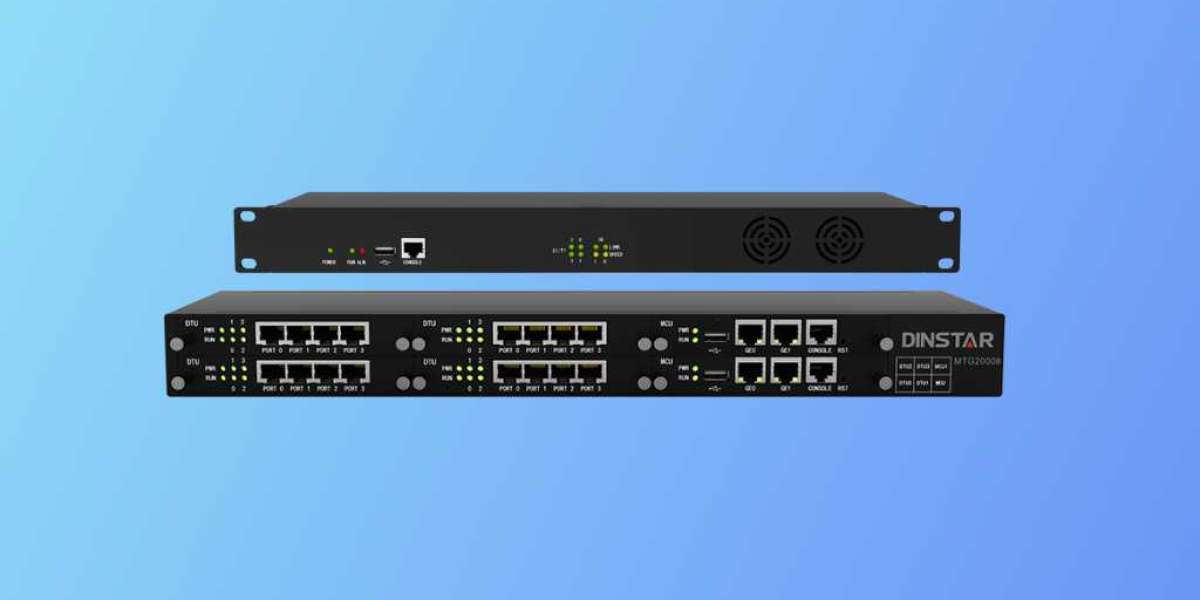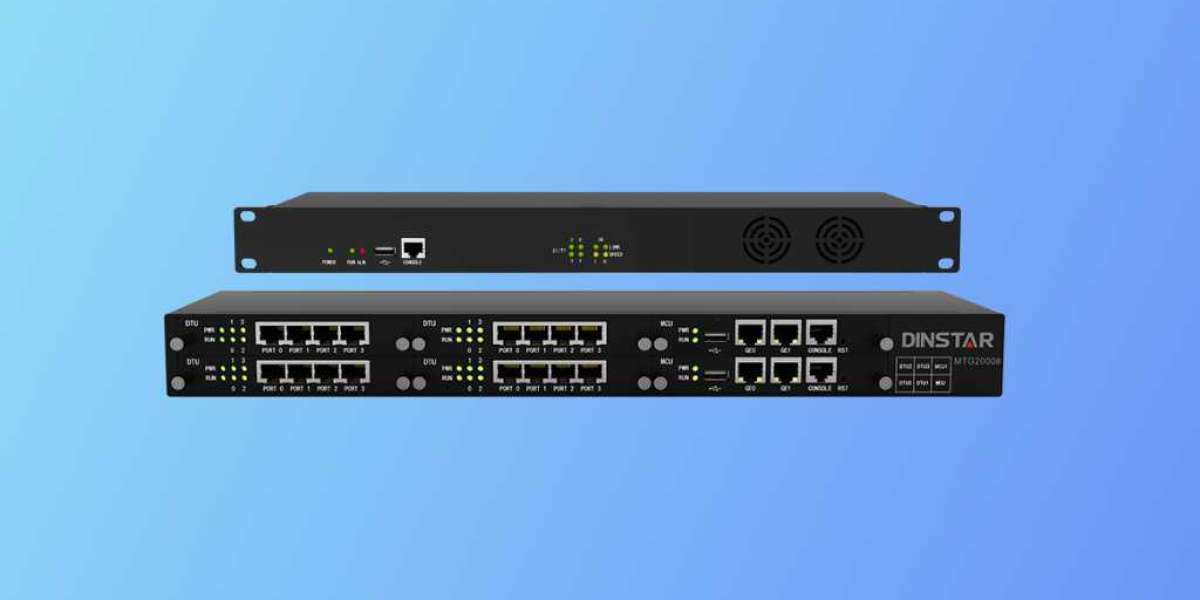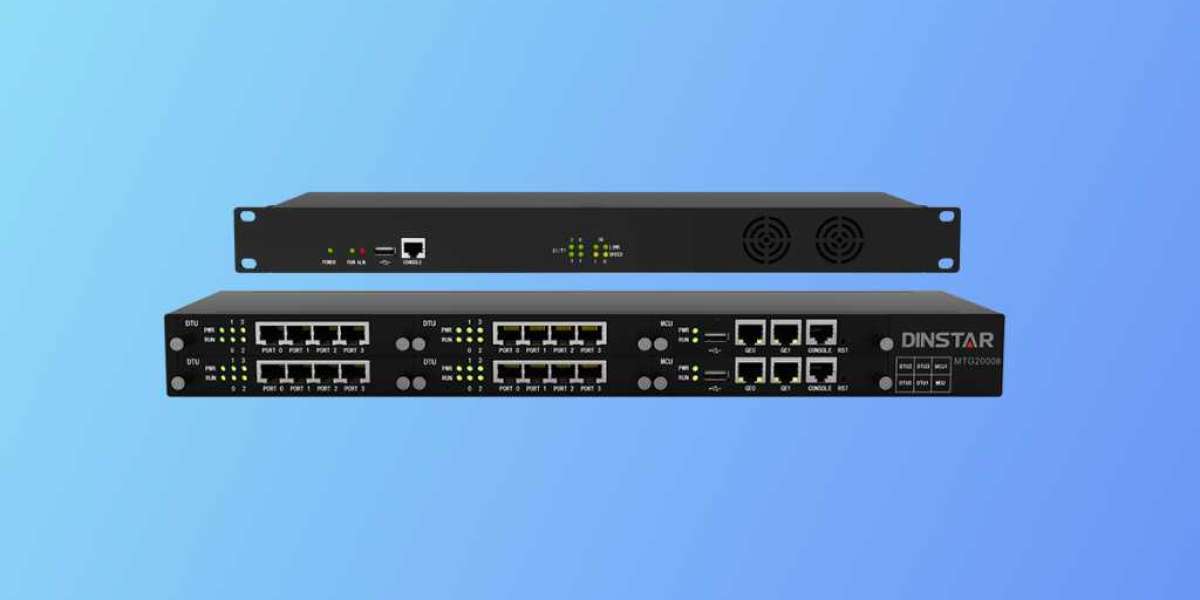

As businesses move toward IP-based communication systems, the need to connect legacy telephony infrastructure with modern networks has become essential. A Digital VoIP Gateway plays a crucial role in this transition by enabling seamless communication between traditional digital lines and IP networks. It helps organizations preserve existing investments while gaining the flexibility, scalability, and cost efficiency of VoIP technology.
What Is a Digital VoIP Gateway?
A Digital VoIP Gateway is a networking device that converts digital voice signals from traditional telephony systems into IP packets and vice versa. It acts as a bridge between circuit-switched networks, such as E1, T1, or ISDN, and packet-switched IP networks. This conversion allows calls from legacy phone systems to travel over IP-based infrastructure without compromising voice quality or reliability.
How a Digital VoIP Gateway Works
The gateway captures digital voice signals from a PBX or telecom line and compresses them using standard voice codecs. These signals are then packetized and transmitted over an IP network using SIP or similar signaling protocols. On the receiving end, the process is reversed, ensuring clear and consistent communication between both networks.
By managing signaling, media conversion, and call routing, the gateway ensures compatibility between different communication environments.
Key Features of Digital VoIP Gateways
Digital VoIP Gateways are designed to meet enterprise and service provider requirements. Common features include:
High-quality voice processing with echo cancellation
Support for multiple codecs to optimize bandwidth usage
SIP-based call control and routing
Built-in security mechanisms to protect voice traffic
Compatibility with IP PBX systems and softswitches
These features ensure stable performance even in high-call-volume environments.
Benefits for Businesses
One of the primary advantages of using a VoIP Gateway is cost optimization. By routing calls over IP networks, organizations can significantly reduce long-distance and international call charges.
Additional benefits include improved scalability, centralized call management, and easier integration with modern unified communication platforms. Businesses can expand or upgrade their communication systems without replacing their entire telephony infrastructure.
Common Use Cases
Digital VoIP Gateways are widely used across industries. Enterprises use them to connect branch offices to a central IP PBX, while telecom operators deploy them for call termination and interconnection. They are also commonly used in call centers, hospitality environments, and government institutions where reliable and secure voice communication is critical.
Digital VoIP Gateway vs Analog VoIP Gateway
While both devices enable VoIP communication, a Digital VoIP Gateway is designed for digital trunk connections, whereas an analog gateway works with analog lines. Digital gateways typically support higher call capacity, better voice quality, and are more suitable for large-scale deployments. Choosing the right gateway depends on the existing infrastructure and communication requirements.
Factors to Consider Before Choosing a Digital VoIP Gateway
Before deployment, businesses should evaluate call capacity, protocol compatibility, network bandwidth, and security requirements. Vendor support, firmware updates, and ease of configuration are also important factors. Selecting the right solution ensures long-term reliability and performance.
Conclusion
A Digital VoIP Gateway is a vital component in modern communication networks, enabling smooth interaction between legacy telephony systems and IP-based platforms. By offering flexibility, cost savings, and scalability, it helps organizations modernize their voice infrastructure without disruption. For businesses planning a gradual transition to VoIP, a digital gateway remains a practical and future-ready solution.