
Introduction
Precision is the backbone of modern machining and inspection processes. Even the smallest alignment error can lead to defective components, material wastage, and increased production costs. This is where a Vee block plays a critical role. Widely used in machine shops, quality control labs, and manufacturing units, a vee block is a simple yet highly effective workholding and inspection tool. In today’s advanced manufacturing environment, the vee block continues to ensure accuracy, repeatability, and reliability across multiple industrial applications.
What Is a Vee Block?
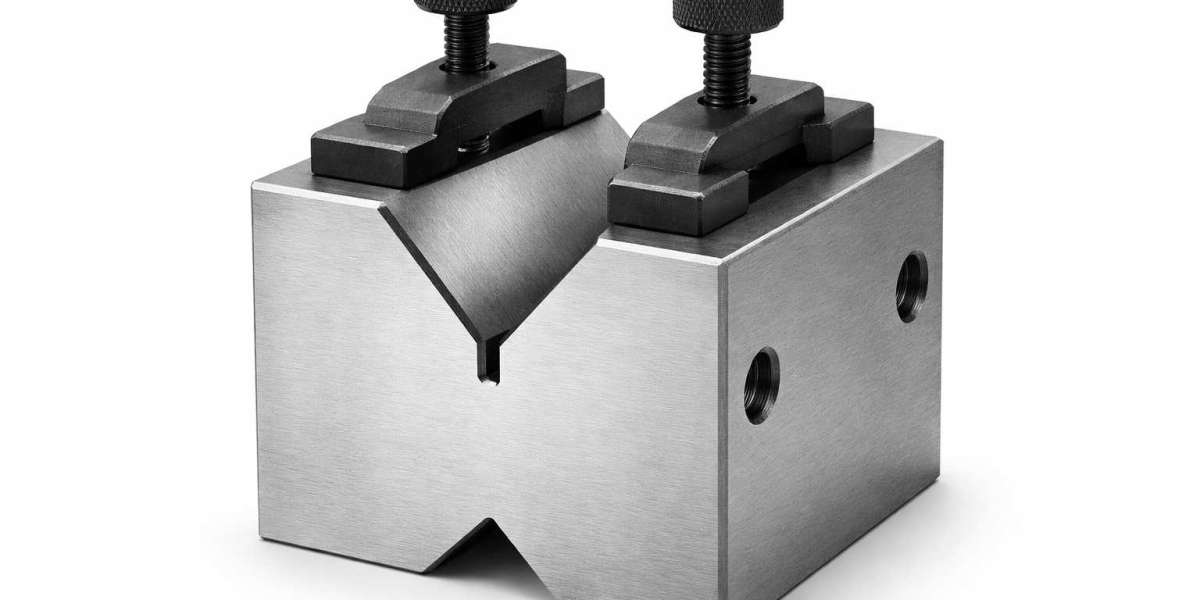
A vee block is a precision-engineered metal block with a V-shaped groove machined into its top surface. This groove is designed to securely hold cylindrical or round components in a fixed position. Typically made from hardened steel or cast iron, a vee block offers excellent durability and dimensional stability. In machining and inspection tasks, the vee block provides a stable reference surface that helps achieve accurate alignment and measurement.
Importance of Precision Alignment in Machining
Modern machining operations demand tight tolerances and consistent accuracy. Misalignment during drilling, grinding, milling, or inspection can compromise the final product. Using a vee block ensures that round workpieces are properly aligned along a central axis. This alignment minimizes runout, improves concentricity, and allows machinists to perform operations with confidence and control.
How a Vee Block Enhances Machining Accuracy
The design of a vee block allows cylindrical components to rest evenly within the V-groove. This evenly distributed contact prevents movement and rotation during machining. As a result, tools engage the workpiece at the correct angle and position. Whether used on surface plates, milling machines, or grinders, a vee block helps maintain consistent positioning, leading to improved surface finish and dimensional accuracy.
Role of a Vee Block in Inspection and Quality Control
Inspection processes rely heavily on accurate positioning of components. A vee block is commonly used during inspection to measure round parts using dial indicators, height gauges, or micrometers. By holding the workpiece steady, the vee block ensures repeatable and reliable measurements. This makes it an essential tool in quality control departments where precision and consistency are non-negotiable.
Applications of Vee Block in Modern Industries
The vee block is widely used across industries such as automotive, aerospace, heavy engineering, and tool manufacturing. It supports tasks like shaft inspection, alignment checks, drilling operations, and grinding processes. In CNC machining environments, the vee block is often used for setup verification and part inspection, ensuring components meet strict engineering specifications before moving to the next production stage.
Types of Vee Blocks Used Today
There are different types of vee blocks available to suit specific requirements. Plain vee blocks are used for general machining and inspection tasks. Magnetic vee blocks offer enhanced holding power for ferrous materials, making them ideal for surface grinding and inspection. Clamp vee blocks come with clamps for added stability during heavy machining operations. Choosing the right vee block depends on the application, material, and required accuracy.
Benefits of Using a Vee Block
One of the biggest advantages of a vee block is its simplicity combined with high precision. It is easy to use, requires minimal setup time, and delivers consistent results. A vee block also improves operator efficiency by reducing alignment errors and rework. Its versatility makes it a cost-effective investment for workshops aiming to maintain high-quality standards in machining and inspection.
Maintenance and Best Practices
To ensure long-term accuracy, a vee block should be kept clean and free from dust, oil, and burrs. Regular inspection for wear and damage is essential, especially in high-precision environments. Storing the vee block properly and using it on flat, calibrated surfaces further enhances its performance and lifespan.
Conclusion
In modern machining and inspection, achieving precision alignment is essential for quality, efficiency, and reliability. A vee block remains a trusted tool for securely holding cylindrical components, ensuring accurate positioning, and supporting precise measurements. Its continued relevance in advanced manufacturing highlights its importance as a foundational workholding solution. For high-quality and dependable machining tools designed to meet industrial standards, choose trusted solutions from buyohlic.